












































































The Science of Adaptive Leadership: Cognitive Mechanisms and Workplace Culture
This article explores the cognitive underpinnings of adaptive leadership and its impact on workplace culture. By examining the neural mechanisms that facilitate flexibility and change, the article reveals how leaders can effectively navigate complex organizational environments. Through detailed scenarios, it illustrates how adaptive leadership influences decision-making processes, enabling organizations to thrive in dynamic contexts. The piece concludes with forward-looking insights into the future of leadership strategies, emphasizing the importance of cognitive adaptability in fostering a resilient and innovative workplace culture.


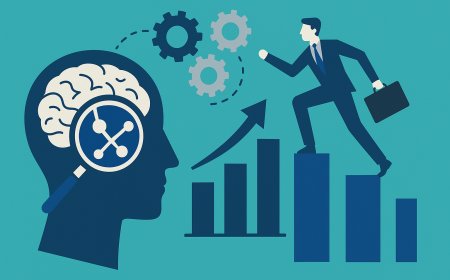
In the dynamic environment of modern organizations, adaptive leadership emerges as a critical skill for navigating complex workplace challenges. Adaptive leaders do not merely react; they anticipate and influence change by understanding and leveraging cognitive processes. A cognitive mechanism central to adaptive leadership is mental flexibility, which enables leaders to pivot strategies based on emerging information and shifting contexts. This capacity is not only a matter of personality but is deeply rooted in specific neural pathways that govern learning and decision-making.


Consider an organizational scenario where a leader must integrate new technology into daily operations. The challenge lies not merely in technical integration but in the cultural shift required to embrace change. Recent research from a leading cognitive science institute suggests that leaders with high adaptive capacity engage the prefrontal cortex more efficiently. This brain region is associated with complex planning and problem-solving, allowing leaders to manage uncertainty more effectively. Adaptive leaders utilize this neural flexibility to interpret ambiguous data, make informed decisions, and foster a culture open to innovation.
Neural Mechanisms Behind Adaptive Leadership
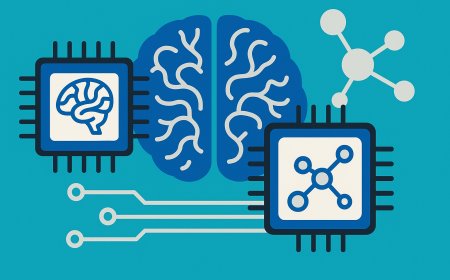
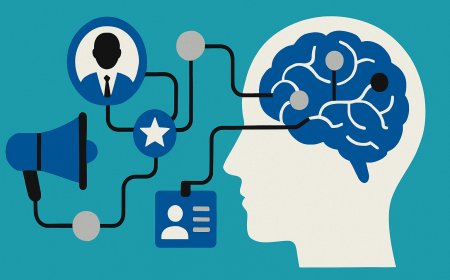
At the core of adaptive leadership lies a sophisticated neural architecture that supports cognitive flexibility. The interplay between the prefrontal cortex and limbic system enables leaders to balance rational decision-making with emotional intelligence. In a typical observational study focusing on executive decision-makers, functional MRI scans reveal increased activation in these areas when participants engage in adaptive tasks. This activation pattern correlates with enhanced performance in scenarios requiring swift changes in strategy.
Furthermore, synaptic plasticity—an enduring change in the strength of synaptic connections—plays a crucial role in developing adaptability. Leaders who demonstrate high adaptability show greater synaptic plasticity, facilitating the rapid acquisition and application of new knowledge. This is evident in behavioral experiments where leaders are tasked with solving novel problems under time constraints. Those with enhanced synaptic plasticity adapt their problem-solving approaches more effectively, showcasing the neurobiological basis of adaptive leadership.
The neurotransmitter dopamine is also pivotal in adaptive decision-making. It modulates reward anticipation and risk evaluation, vital components in strategic leadership. In experimental settings, leaders with optimal dopamine levels exhibit higher resilience to stress and improved problem-solving abilities. By understanding these neural underpinnings, organizations can design leadership development programs that cultivate adaptability by enhancing cognitive flexibility and emotional regulation.
Impact of Adaptive Leadership on Workplace Culture
The influence of adaptive leadership extends beyond individual decision-making to shape workplace culture at large. In organizations led by adaptive leaders, a culture of continuous learning and openness to change prevails. This is particularly evident in industries facing rapid technological advancements, where adaptability becomes synonymous with survival and success.
In an anonymized case study of a tech company undergoing digital transformation, adaptive leadership was pivotal in navigating resistance to change. Through a series of workshops and strategic interventions, leaders encouraged open dialogue and experimentation, fostering an environment where employees felt empowered to contribute ideas and innovate. This cultural shift not only improved morale but also led to tangible performance improvements, demonstrating that adaptive leadership can effectively cultivate a resilient organizational culture.
Moreover, adaptive leadership fosters inclusivity, allowing diverse perspectives to thrive. By valuing flexibility and diverse thinking, adaptive leaders create an atmosphere where all voices are heard, enhancing creativity and problem-solving. This inclusivity, driven by cognitive adaptability, enables organizations to harness collective intelligence, leading to more robust and innovative solutions to complex challenges.
The Future of Leadership in Dynamic Contexts
As organizations continue to navigate an ever-changing landscape, the demand for adaptive leadership will only intensify. Future leadership strategies must incorporate insights from cognitive science to develop leaders who can thrive amidst uncertainty and foster a culture of innovation and resilience. Training programs focusing on enhancing cognitive flexibility, emotional intelligence, and neural plasticity will be instrumental in preparing leaders for these emerging challenges.
Ultimately, the future of workplace culture will be shaped by leaders who understand the cognitive mechanisms underpinning adaptive behavior. By embracing this understanding, organizations can cultivate environments that not only adapt to change but actively drive it. This forward-thinking approach promises a workplace culture characterized by resilience, creativity, and sustained success in the face of adversity.
What's Your Reaction?