

















































































Challenging the Central Dogma: A New Perspective on Molecular Information Flow
This article reexamines the central dogma of molecular biology, which posits a unidirectional flow of genetic information from DNA to RNA to protein. Through new experimental designs and advanced computational models, researchers are exploring non-linear information dynamics and reverse information pathways, challenging longstanding assumptions. These innovative approaches could reshape our understanding of genetic regulation and molecular interactions, revealing a more complex and interconnected network of biological processes than previously thought. As systems biology continues to evolve, researchers are poised to redefine the foundational principles of molecular biology.

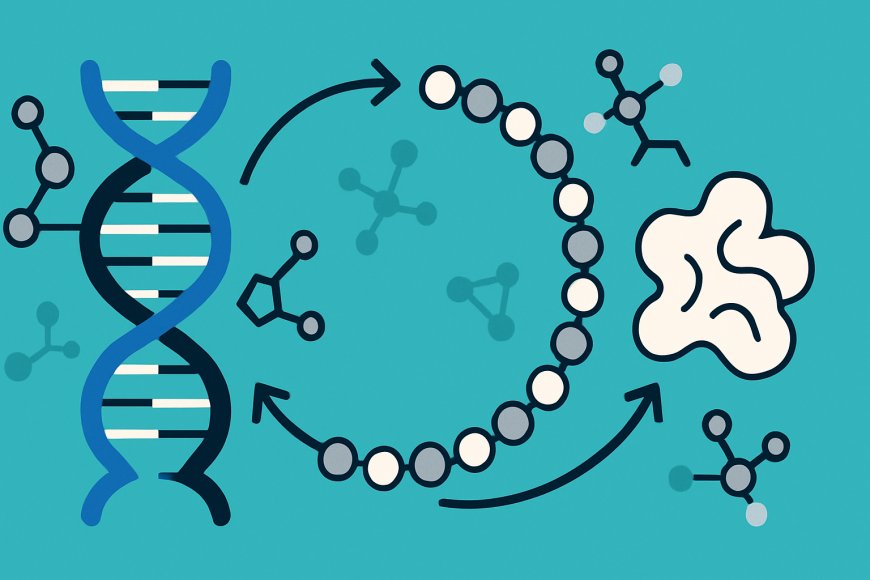
In a typical biology classroom, the central dogma is presented as a fundamental truth: DNA makes RNA makes protein. This linear flow of information has stood as a pillar of molecular biology for decades. However, recent advances in systems biology are shaking the very foundations of this long-held belief. Consider an experimental setup where researchers employ high-throughput sequencing technologies combined with advanced machine learning algorithms. These researchers are beginning to uncover evidence suggesting that genetic information flow may not be as straightforward as once believed.


In a controlled laboratory environment, scientists manipulate the genome of a model organism. They observe not just the expected transcription and translation processes but also unexpected feedback loops where proteins appear to influence their own expression by interacting with non-coding RNAs. These interactions suggest a bidirectional flow of information, directly challenging the unidirectional narrative of the central dogma. Moreover, computational models of these systems reveal a complex network of interactions that defy traditional linear pathways, indicating potential non-linear dynamics at play in genetic regulation.
Non-Linear Dynamics in Genetic Information Flow
In a systems biology lab, researchers utilize a combination of CRISPR-Cas9 gene editing and fluorescent tagging techniques to visualize real-time interactions within the cell. Through this lens, they witness proteins engaging in regulatory feedback with DNA, suggesting a non-linear information exchange. This challenges the central dogma by demonstrating that proteins can affect gene expression in ways previously considered unlikely. These findings are not isolated; similar patterns emerge in studies focused on epigenetic modifications, where chemical tags attached to DNA and histones influence gene activity and protein synthesis.
For instance, using state-of-the-art imaging technologies, researchers monitor the methylation patterns of DNA in live cells. They identify instances where changes in protein structure or function lead to alterations in these epigenetic markers. This reciprocal interaction creates a loop of information exchange, where alterations at the protein level can propagate back to the genomic level, modifying gene expression and, consequently, protein synthesis itself. Such discoveries are prompting a reevaluation of the central dogma as scientists begin to appreciate the complexity of these molecular interactions.
Furthermore, computational simulations of cellular processes modeled through systems biology frameworks reveal the intricate choreography of gene expression. These models incorporate variables such as environmental stress, metabolic states, and intercellular communications, all of which contribute to a dynamically regulated information flow that cannot be adequately described by a linear model. As these models grow in sophistication, they provide insights into previously unseen aspects of genetic regulation, hinting at a more interconnected and adaptable system than the central dogma accounts for.
Reversing the Flow: RNA and Protein Feedback Mechanisms
In another study, scientists employ RNA interference techniques to explore the impact of non-coding RNAs on protein expression levels. This approach reveals how non-coding RNAs participate in complex networks that modulate protein activity and gene expression. These non-coding elements, once considered mere byproducts of transcription, are now recognized as active participants in cellular regulation, capable of reversing the flow of information.
Additionally, proteomics studies demonstrate that post-translational modifications of proteins can influence RNA stability and function. For example, phosphorylation events can alter the binding affinity of proteins to RNA, consequently affecting RNA degradation rates and, by extension, gene expression levels. Such findings illustrate a sophisticated feedback mechanism where proteins, through post-translational modifications, exert control over the genetic machinery that initially produced them.
These insights are further supported by bioinformatics analyses, which identify correlations between protein modification states and changes in RNA transcript abundance. These correlations suggest a regulatory role for proteins in shaping gene expression profiles, offering a glimpse into the complex interplay of molecular signals that govern cellular function. As more data become available, the potential to map these feedback loops with precision grows, allowing for a comprehensive understanding of genetic regulation.
The Future of Molecular Biology: A Systems Approach
As systems biology continues to advance, the paradigm of a unidirectional flow of genetic information is increasingly seen as an oversimplification. The emerging view is one of a highly interconnected system where DNA, RNA, and proteins interact through a network of feedback loops and regulatory pathways. This paradigm shift not only challenges the central dogma but opens new avenues for research into genetic diseases, biotechnology, and synthetic biology.
In the future, molecular biology may well embrace a systems approach, integrating computational, experimental, and theoretical perspectives to construct a more accurate model of cellular dynamics. By acknowledging the complexity and interconnectivity of life at the molecular level, researchers can forge a deeper understanding of the biological processes that define life itself. This bold new direction promises to unlock untapped potential in genetic research and therapeutic development, marking a significant evolution in our understanding of life's molecular foundations.
What's Your Reaction?