














































































Synaptic Plasticity: The Neural Basis of Learning and Memory
Synaptic plasticity, the brain's ability to change and adapt through reconfiguring synaptic connections, is crucial for learning and memory. This article explores its mechanisms, implications, and future research directions.

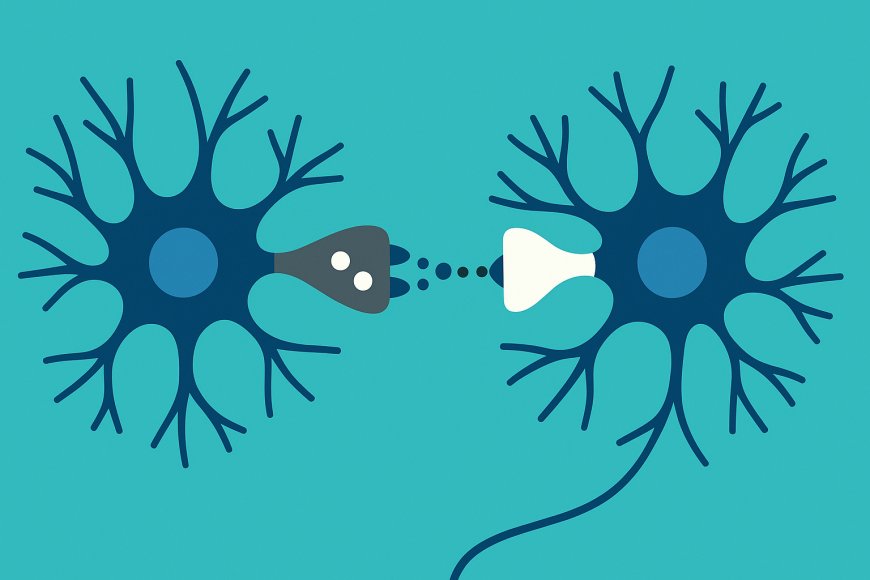
Imagine a brain that learns and adapts with the elegance of a symphony, where each note represents a connection—a synapse—between two neurons. This dynamic capability, known as synaptic plasticity, is foundational to our understanding of learning and memory. Synaptic plasticity is the brain's remarkable ability to change its wiring in response to experience, effectively rewriting its own instruction manual as needed. This phenomenon is not just a theoretical construct but a tangible process observable in countless research scenarios.


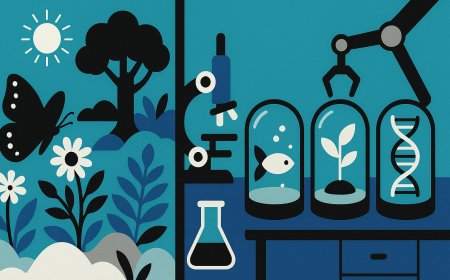
Consider an experiment where lab mice are exposed to a novel environment filled with stimuli. Researchers measure electrical activity in specific brain regions, revealing changes in synaptic strength. These alterations are not random but correspond to the mice's enhanced ability to navigate and remember the environment—an experimental illustration of synaptic plasticity in action. The malleability of synaptic connections underlies this process, allowing organisms to learn from past experiences and adapt to new ones.
Mechanisms of Synaptic Plasticity
At the core of synaptic plasticity lies a complex web of molecular interactions. Long-term potentiation (LTP) and long-term depression (LTD) represent the primary processes through which synaptic strengths are adjusted. LTP is often described as the strengthening of synapses based on increased activity; it serves as a neural basis for memory formation. In a laboratory setting, researchers might stimulate a neuron repeatedly while recording the response of a connected neuron. Over time, this results in a measurable increase in synaptic effectiveness, illustrating LTP.
LTD, on the other hand, involves the weakening of synapses, often through decreased use or specific types of synaptic activity. This mechanism ensures that neural circuits remain efficient, shedding redundant pathways that no longer contribute to learning. In experiments, scientists might observe that neurons exposed to low-frequency stimulation exhibit reduced synaptic strength, providing a clear example of LTD at work.
Both LTP and LTD are influenced by a cascade of biochemical events, including the release of neurotransmitters and the activation of receptor proteins on the postsynaptic membrane. For instance, the N-methyl-D-aspartate (NMDA) receptor plays a pivotal role in LTP by allowing calcium ions to enter the neuron, triggering intracellular pathways that culminate in synaptic strengthening. Through this nuanced interplay of molecular processes, the neural architecture is continuously refined, optimizing the brain's ability to learn and remember.
The Role of Synaptic Plasticity in Learning and Memory
Synaptic plasticity provides the neural substrate for learning and memory. In practical terms, this translates to the brain's ability to encode, store, and retrieve information. For example, when an individual learns a new skill, such as playing a musical instrument, synaptic plasticity facilitates the formation of new neural networks tailored to this specific task. As practice continues, the synaptic connections involved in this activity become more efficient, leading to the development of skill and expertise.
Memory, too, relies heavily on synaptic plasticity. The hippocampus, a key brain region associated with memory formation, demonstrates significant synaptic plasticity. In studies, researchers have found that disrupting synaptic plasticity in the hippocampus can impair memory recall, underscoring its critical role. This insight is supported by experiments where genetic modifications in animal models affect proteins involved in synaptic plasticity, resulting in observable deficits in learning and memory tasks.
Moreover, the adaptability offered by synaptic plasticity is crucial for cognitive flexibility, enabling individuals to adjust their responses based on changing environments or new information. This adaptability is not only essential for academic learning but also for social and emotional intelligence, allowing us to navigate complex interpersonal interactions with nuance and understanding.
Future Directions and Implications
The study of synaptic plasticity holds promise for numerous applications, particularly in addressing neurological disorders. Conditions such as Alzheimer's disease and schizophrenia, where synaptic dysfunction is a hallmark, could benefit from therapies aimed at restoring or modulating synaptic plasticity. By targeting the molecular pathways involved in LTP and LTD, researchers aim to develop interventions that improve cognitive function and memory in affected individuals.
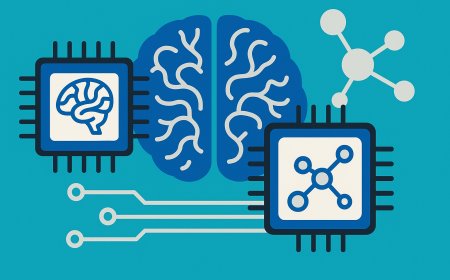
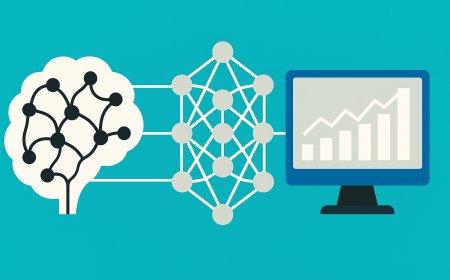
Further, the exploration of synaptic plasticity continues to inform the development of artificial intelligence. By mimicking the brain's ability to rewire itself, AI systems can learn and adapt more effectively, leading to advancements in machine learning algorithms that better reflect the adaptability of human cognition.
As research progresses, the understanding of synaptic plasticity not only enriches our comprehension of the brain's intricacies but also paves the way for innovative approaches to learning, memory enhancement, and computational intelligence. The capacity for change embedded within the neural substrate inspires both scientific inquiry and technological innovation, offering a glimpse into the profound potential of the adaptable mind.
What's Your Reaction?