



















































































The Neuroscience of Virality: Unpacking the Cognitive Mechanics of Digital Content Spread
Neuroscience reveals the cognitive mechanics behind why digital content goes viral. Emotions, memory processing, and attention are key factors in understanding the spread of information. This article explores the science behind digital virality and its implications for media.

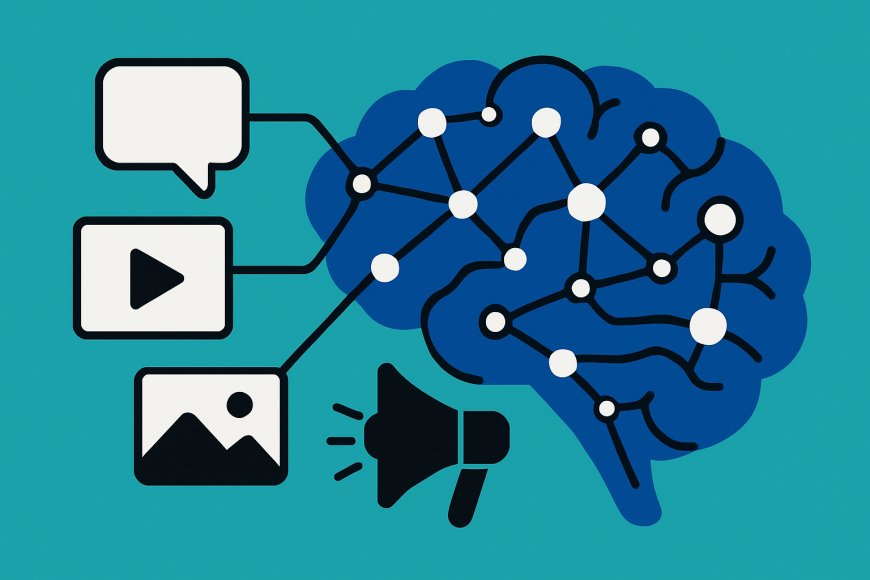
In the digital age, content virality commands attention, driving social trends and influencing public discourse. An example from digital media studies illustrates this phenomenon: a seemingly innocuous video of a cat playing the piano not only amasses millions of views but also sparks derivative works, memes, and discussions across different platforms. This digital cascade is not merely serendipitous but rooted in the cognitive and neural processes that govern human perception and interaction with media.


The virality of content often hinges on its emotional resonance. Neuroscience suggests that the amygdala, a core region involved in emotion processing, plays a pivotal role in determining which content captures attention and is subsequently shared. This is evident when examining the spread of emotionally charged content, such as news surrounding a humanitarian crisis, which taps into empathy circuits, eliciting widespread sharing as individuals seek to raise awareness. This emotional engagement enhances memorability, anchoring the content in the viewer's mind and facilitating repeated exposure and sharing.
Emotional Triggers and Memory Encoding
Consider a behavioral experiment analyzing content spread from music videos. When participants viewed clips with uplifting themes, their brain scans showed increased activity in areas associated with positive emotional processing. This activity enhanced the likelihood of participants recalling and sharing the content. The study found that emotional triggers, such as happiness or surprise, engage neural pathways that prioritize memory encoding, making the content more likely to be recalled and discussed.
This cognitive mechanism is underpinned by the brain's reward system, primarily involving the nucleus accumbens. The activation of this region not only influences immediate emotional reactions but also enhances long-term memory consolidation. As a result, emotionally potent content not only captures immediate attention but retains its impact, increasing the likelihood of becoming viral as it travels across digital networks.
The implications extend beyond individual memory processes to collective cultural phenomena. For instance, the spread of a viral dance challenge illustrates how positive emotions and social validation, experienced through participation, reinforce memory pathways. This creates a feedback loop where engaging with the content enhances its memorability and shareability, fueling its viral trajectory.
Attention Dynamics in Digital Environments
In a typical observational study on digital consumption patterns, researchers found that attention is a key determinant in content virality. Participants exposed to fast-paced, visually stimulating content demonstrated higher recall and sharing rates. This suggests that digital content must first capture an audience's attention, leveraging the brain's attentional networks, particularly the dorsal attention network, to enhance engagement.
The study revealed that content leveraging unexpected visual or auditory cues could disrupt habitual viewing patterns, engaging the brain's attentional mechanisms. This initial engagement is crucial as it sets the stage for deeper cognitive and emotional processing, ultimately determining whether the content is retained and shared.
Moreover, the pace and structure of digital content play a crucial role. Rapid shifts in scene or music can enhance attention spans and improve the content's retention in memory. This heightened state of attention serves as a gateway to further cognitive processing, potentiated by the medial temporal lobe, which plays a vital role in forming and recalling memories.
The Role of Social Influence and Cognitive Biases
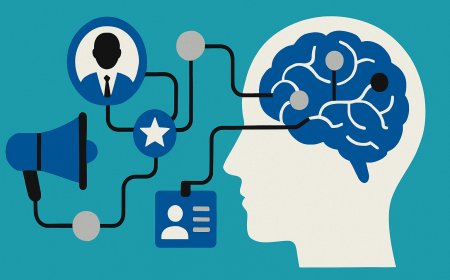
The propagation of digital content is not solely dependent on individual cognitive processes but is also shaped by social influence and inherent cognitive biases. In an experimental setup exploring group dynamics, participants were more likely to share content endorsed by peers or authority figures, highlighting the role of social validation in content virality.
This phenomenon can be attributed to the brain's mirror neuron system, which is activated during social interactions, fostering group cohesion and conformity. When individuals perceive that content resonates with their social group, they are more inclined to share it, driven by an intrinsic desire for social connection and approval.
Cognitive biases like the bandwagon effect further amplify this dynamic. Content that appears popular or trending is more likely to be shared, as individuals are influenced by the perceived actions of others. The neuroscience underpinning this behavior involves the dorsolateral prefrontal cortex, which regulates decision-making and social behavior, reinforcing the inclination to align with group norms.
As digital media continues to evolve, understanding these cognitive and neural processes offers valuable insights into the mechanics of content spread. The implications are profound, influencing not only marketing strategies but also informing media literacy programs aimed at fostering critical consumption of information in digital environments.
Looking ahead, the convergence of neuroscience and digital analytics presents opportunities to harness these insights for ethical and constructive content creation. Future research could explore how to leverage emotional and cognitive engagement to promote positive social change, providing a roadmap for navigating the digital media landscape with intentionality and awareness.
What's Your Reaction?