




















































































The Intricacies of Validity and Bias in Sports Performance Metrics
This article explores the scientific concepts of validity and bias in sports performance metrics, focusing on how these factors affect the interpretation and reliability of data used to evaluate athletes. It examines different types of biases that can arise in data collection and analysis, discusses the methods used to ensure validity, and explores real-world examples from sports science. The article concludes with a forward-looking view on the future of performance evaluation in sports, influenced by technological advancements and methodological innovations.

In the world of sports, precision is paramount. Athletes are often measured by milliseconds, meters, or points, and these measurements can make the difference between victory and defeat. Yet, behind every statistic lies a complex web of scientific principles that determine its reliability and relevance. At the core of these principles are the constructs of validity and bias—elements that shape the interpretation and acceptance of performance data.


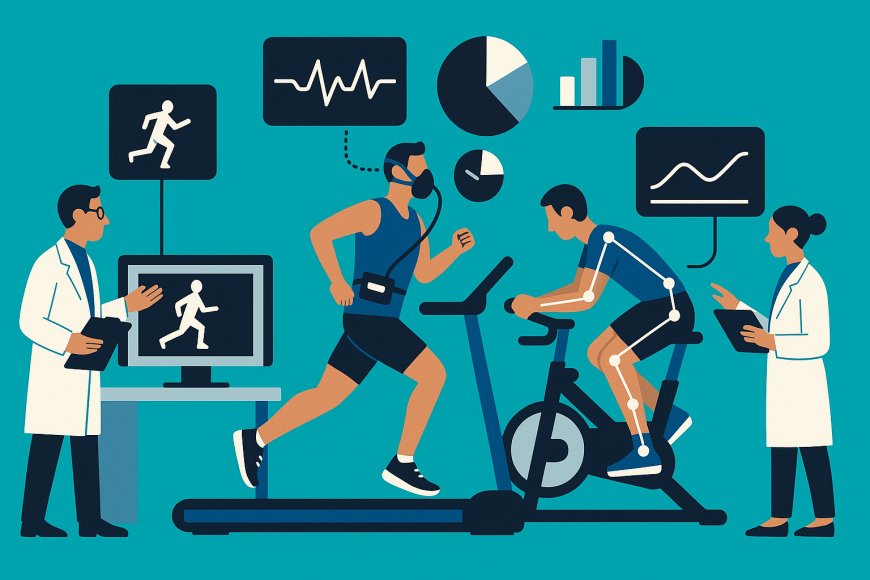
Consider a scenario where a national sports association is tasked with evaluating the performance of athletes in preparation for an international competition. The metrics used, whether physiological like VO2 max or biomechanical like force output during a sprint, need to accurately reflect an athlete's potential and current capability. However, without ensuring the validity of these metrics, conclusions drawn can be misleading, impacting team selection and training regimes.
Validity in sports performance metrics refers to the extent to which these metrics actually measure what they purport to measure. For example, a test designed to assess a basketball player's agility should do precisely that, rather than inadvertently measuring endurance or balance. This demand for precision highlights the importance of construct validity, which ensures that the test aligns with the theoretical concept it is intended to measure. In practical terms, validity encompasses a range of subtypes, including content validity, criterion-related validity, and external validity, each addressing different aspects of measurement appropriateness.
Understanding and Mitigating Biases in Performance Metrics
Bias is an ever-present danger in the interpretation of sports data. It can arise from numerous sources, including data collection methods, sample selection, and the subjective interpretation of results by coaches or analysts. In a typical observational study examining athletes' hydration levels, selection bias might occur if the sample is skewed toward a particular type of athlete, such as those from warmer climates, thus limiting the generalizability of the findings to the entire population of athletes.
Measurement bias can also obscure true performance assessments. In sports where technology like motion sensors or GPS tracking is used, calibration errors or equipment malfunctions can lead to systematic inaccuracies in data. These biases can be particularly insidious because they might not be immediately apparent and can persist across multiple data collection sessions, skewing results.
To combat these biases, sports scientists employ a range of strategies. These include rigorous pilot testing of equipment, ensuring diverse representation in sample selection, and employing double-blind data analysis when feasible. Robust statistical methods are also used to identify and adjust for biases post hoc, ensuring that the final interpretations remain as objective as possible.
In a behavioral experiment where coaches rate the mental toughness of players, cognitive biases such as confirmation bias can color the results. Coaches might unconsciously rate players higher or lower based on previous expectations rather than current performance. Training sessions that increase awareness of such biases and structured rubrics for assessment can help mitigate these issues, leading to fairer evaluations.
The Role of Technology in Enhancing Validity and Reducing Bias
Technological advancements have dramatically transformed the landscape of sports performance evaluation. Wearable devices, smart textiles, and advanced video analysis software offer unprecedented opportunities to collect large volumes of precise data. However, with increased data comes the responsibility to ensure that this data is valid and devoid of bias.
For instance, consider a professional football team employing drone technology to capture every angle of their training sessions. While this provides a comprehensive dataset, the validity of any analysis drawn rests on the accurate calibration and synchronization of the drones' cameras. Sports scientists must ensure that such technology is used within its operational limits, and that any conclusions drawn are backed by cross-validation with other measurement forms.
Integrated data systems that combine multiple data streams can enhance validity by providing a holistic view of an athlete's performance. These systems, supported by machine learning algorithms, can identify patterns that might be overlooked in isolated data assessments. However, care must be taken to avoid algorithmic bias, where the design of the algorithm itself might introduce unintended distortions in data interpretation.
In a typical case study involving marathon runners, data on pace, heart rate, and environmental conditions might be analyzed to predict performance outcomes. The use of advanced analytics allows for dynamic adjustments during a race, potentially offering a competitive edge. Nonetheless, the integrity of such predictions hinges on the quality and validity of the underlying data, underscoring the need for ongoing refinement of technological tools used in sports science.
As sports science evolves, the quest for more accurate and reliable performance metrics continues. The future of sports will likely see an increasing interplay between traditional methodologies and cutting-edge technologies, with a constant focus on enhancing validity and minimizing bias. By embracing these advancements, we can ensure that performance evaluations remain a true reflection of an athlete's abilities, paving the way for fair competition and informed decision-making in sports.
What's Your Reaction?