









































































The Neurobiology of Team Dynamics in Workplace Performance
The science of neurobiology offers insights into team dynamics and workplace performance. Understanding how our brains process social interactions, trust, and collaboration can transform organizational structures and improve productivity. The article explores the neurobiological mechanisms underlying team interactions and decision-making processes, highlighting key neurotransmitters and brain regions involved. Through a series of case studies and experimental setups, the article illustrates how neurobiological factors influence workplace behavior, motivation, and cohesion. It concludes with a forward-looking perspective on the application of these insights to enhance team-based work environments.

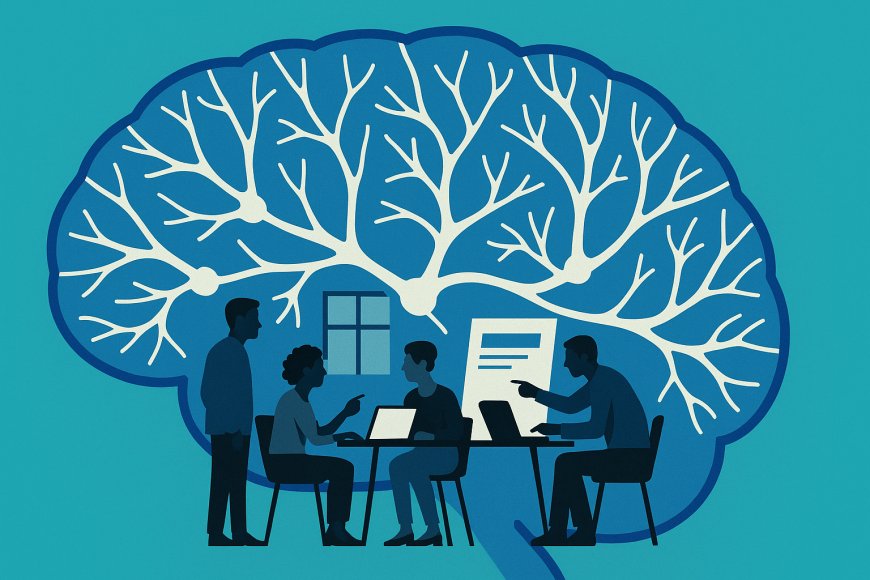
Consider the bustling environment of a corporate office where teams are the engine driving projects forward. Within this setting, individual productivity is often less significant than the collective output of a well-coordinated team. But what are the mechanisms that dictate this collaborative success? The answer lies within the domain of neurobiology, which provides profound understanding of the underlying principles that shape how teams function and flourish.


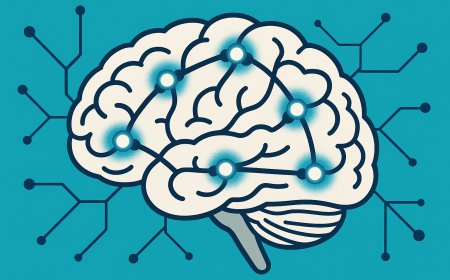
Neurobiology, the study of the nervous system, has made significant strides in identifying the brain's role in social interactions. Interpersonal communication is not merely a surface exchange but a complex neurobiological process involving various regions of the brain. These mechanisms, when aligned with team dynamics, reveal patterns that can enhance or impede workplace performance.
The Role of Neurotransmitters in Team Interactions
Neurotransmitters are the brain's chemical messengers, playing a critical role in regulating mood, cognition, and social behavior. Dopamine, for example, is well-known for its role in reward and motivation. In a typical team meeting, the anticipation of rewards, whether intrinsic or extrinsic, can trigger dopamine release. This creates a positive feedback loop, enhancing motivation and goal-directed behavior among team members.
Oxytocin, another pivotal neurotransmitter, is often associated with bonding and trust. Experimental studies have demonstrated that higher oxytocin levels can elevate trust and cooperation within groups. In a controlled experiment where teams were tasked with a problem-solving exercise, those with elevated oxytocin levels exhibited enhanced collaboration and were more likely to support each other's ideas. These findings suggest that environments fostering trust can lead to more cohesive and productive teams.
Serotonin, linked to mood regulation, also plays a part in team dynamics. Imbalances can lead to negative emotions, potentially disrupting team harmony. An observational study investigated serotonin levels in teams undergoing stress and found that those with stabilized levels maintained higher levels of cooperation and resilience compared to teams experiencing serotonin fluctuations.
Brain Regions and Their Impact on Decision-Making
The prefrontal cortex, often labeled as the brain's executive center, is crucial in decision-making processes. It enables individuals to weigh options, predict outcomes, and make choices aligned with group objectives. In team settings, the prefrontal cortex mediates the integration of diverse inputs, fostering consensus.
Additionally, the amygdala, a region associated with processing emotions, bears influence on team interactions. In high-stress scenarios, an overactive amygdala can lead to impulsive decisions or conflicts. Through neuroimaging studies, researchers observed that individuals with better-regulated amygdalas were more adept at maintaining composure and facilitating constructive discussions within their teams.
Interestingly, the anterior cingulate cortex (ACC) plays a role in empathy and error detection. Teams exhibiting high ACC activity are often more adept at recognizing mistakes and adapting strategies collectively. This flexibility is crucial in dynamic workplace environments where rapid adaptation can be the difference between success and failure.
The Influence of Social Neuroscience on Workplace Cohesion
Social neuroscience bridges the gap between biological processes and social behaviors, offering insights into how team members perceive and interact with one another. Mirror neurons, for instance, are essential in understanding and mirroring emotions and actions, thereby enhancing empathy among colleagues. Behavioral experiments have shown that teams with high mirroring activity tend to perform better in tasks requiring synchronization and empathy.
Furthermore, the concept of social brains—networks of neurons activated during social interactions—has been pivotal in understanding team cohesion. These neural networks facilitate the processing of social cues, helping individuals navigate complex team dynamics. In practical applications, organizations can leverage these insights by designing environments that stimulate social brain activity, such as open workspaces or collaborative platforms.
Training programs focusing on enhancing emotional intelligence can also benefit from social neuroscience. By educating team members on the neural underpinnings of social interactions, organizations can foster environments that emphasize empathy, trust, and adaptability, essential components for effective teamwork.
As we look towards the future, the integration of neurobiological insights into organizational strategies has the potential to transform how teams are structured and managed. By understanding and harnessing the neurobiological factors that underpin team dynamics, organizations can create more harmonious and productive work environments. This knowledge not only enhances performance but also enriches the human experience within the workplace, paving the way for innovations in how we think about collaboration and collective success.
What's Your Reaction?