Telomere Dynamics and Cellular Longevity: A New Horizon in Aging Research
Recent advances in the study of telomeres have unveiled promising strategies for extending cellular longevity and combating age-associated pathologies. By understanding the role of telomeres and telomerase in cellular aging, researchers can explore interventions that enhance genetic stability and mitigate senescence. This new horizon in aging research holds potential for groundbreaking therapies against age-related diseases, offering fresh perspectives on extending healthspan and improving quality of life. As the field progresses, the complex interaction between telomere biology and cellular mechanisms may revolutionize our understanding of aging.

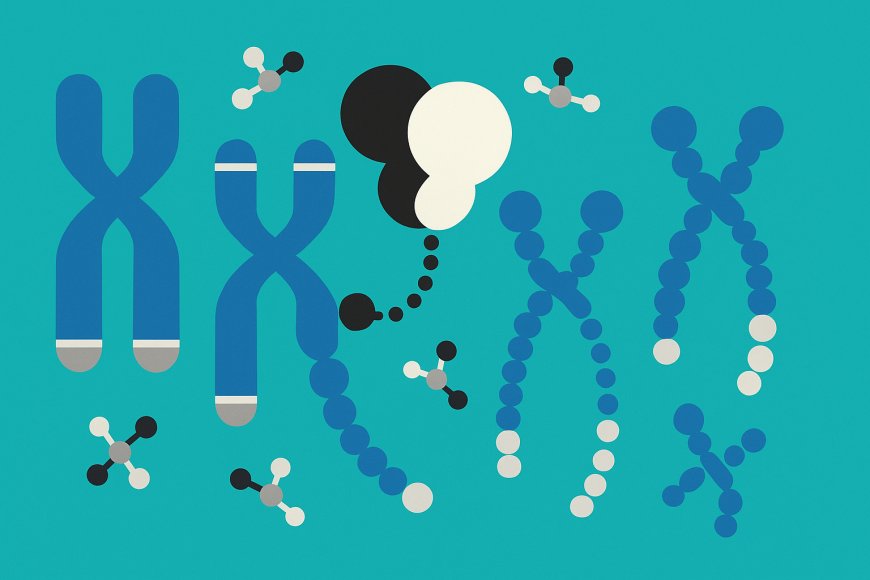
In the cellular tapestry of human life, telomeres occupy a critical role. These repetitive nucleotide sequences cap the ends of chromosomes, safeguarding genetic information during cell division. Every division trims these caps, inching closer to a critical shortening point where cellular functions deteriorate. This cellular clock, inherent in telomeric dynamics, poses a formidable challenge to longevity. Understanding this mechanism has been pivotal in aging research, revealing pathways to potentially delay biological aging.


Consider a controlled laboratory study where fibroblasts, derived from human skin, undergo serial replication. As these cells divide, telomeres progressively shorten, culminating in replicative senescence. However, cells transfected with telomerase reverse transcriptase, an enzyme maintaining telomere length, exhibit prolonged replication potential. This experiment underscores the enzyme's potential to extend cellular longevity, providing a glimpse into therapeutic strategies aimed at age-related degeneration.
Telomere Shortening and Biological Aging
The link between telomere shortening and biological aging has garnered significant attention. As telomeres erode, the risk of genomic instability rises, triggering pathways that lead to cellular senescence or apoptosis. In a typical observational study involving middle-aged subjects, those with shorter telomeres exhibit accelerated aging phenotypes, including diminished regenerative capacity and increased susceptibility to age-related diseases. The correlation between telomere length and biological aging substantiates the relevance of telomere dynamics in longevity research.
In another scenario, researchers assess the telomeric length in leukocytes of a cohort exposed to chronic stress. Results indicate accelerated telomere attrition, correlating with heightened inflammation and oxidative stress. This finding illustrates the impact of environmental factors on telomere biology, further emphasizing the need for lifestyle interventions in prolonging healthspan.
Telomere shortening, therefore, is not merely a cellular footnote but a significant marker of aging. The potential to modulate telomere dynamics invites a reevaluation of strategies to counteract biological aging, offering a promising avenue for therapeutic intervention.
Telomerase Activation: A Double-Edged Sword
While telomerase activation offers a promising approach to lengthen telomeres, it comes with inherent risks. In cancer cells, unchecked telomerase activity affords limitless replication, facilitating tumorigenesis. Thus, the therapeutic application of telomerase must strike a delicate balance, enhancing cellular longevity without predisposing to malignancies.
In an experimental model, mice genetically engineered to overexpress telomerase demonstrate extended lifespan. However, this benefit is juxtaposed with increased cancer incidence, underscoring the need for targeted approaches. In another study, selective telomerase activation in stem cells, rather than somatic cells, is shown to enhance tissue regeneration while minimizing oncogenic risks. This highlights the nuanced understanding required to harness telomerase for therapeutic use.
As research progresses, the challenge lies in developing interventions that selectively activate telomerase activity, potentially utilizing small molecules or gene editing technologies. These strategies aim to extend healthspan by maintaining genetic stability and cellular function without compromising safety.
Future Directions in Telomere Research
The quest to unravel telomere dynamics continues to evolve, with research increasingly focused on understanding the role of telomeres in age-associated diseases. In clinical trials, interventions targeting telomere attrition aim to mitigate the effects of cardiovascular and neurodegenerative diseases. Early results are promising, prompting further exploration into personalized therapies that account for individual telomere biology.
Moreover, recent advances in gene editing technologies, such as CRISPR-Cas9, offer unprecedented precision in modulating telomeric regions. This approach opens new frontiers in designing therapies for genetic disorders linked to telomere dysfunction. As our understanding deepens, telomere research promises to redefine approaches to health and longevity, potentially revolutionizing the management of age-related conditions.
As humanity stands on the brink of unprecedented aging research advancements, the interplay between telomeres, telomerase, and cellular longevity remains a focal point of scientific curiosity. The potential to extend healthspan while mitigating age-associated decline fuels optimism for future breakthroughs, promising a paradigm shift in how we approach aging and its multitudinous challenges.
What's Your Reaction?