



















































































Sports Science and the Quest for Enhanced Athlete Performance
Advancements in sports science shape athlete performance by integrating biomechanics, physiological insights, and novel training techniques. Research underscores the role of personalized interventions, optimizing athletes' potential through data-driven methodologies, leading to unprecedented enhancements in sports performance.

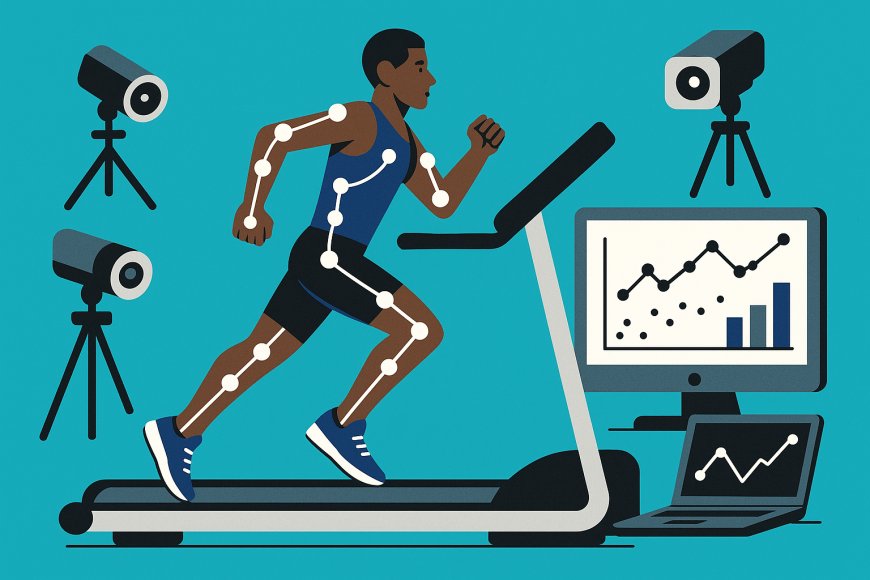
In an elite training facility, an unexpected scenario unfolds. Sensors meticulously capture every nuance of an athlete's movement, revealing insights into the biomechanics of their performance. This data, once processed, offers a personalized breakdown of the athlete’s kinetic and potential energy usage in each stride, leap, or swing. This practice exemplifies the cutting-edge integration of sports science, where technological advancements serve as pivotal tools in unlocking peak athletic capabilities.


The past decade has witnessed a radical transformation in the approach to athlete training. Sports scientists are increasingly turning to data-driven methodologies to gain a comprehensive understanding of the inner workings of athlete performance. This shift from traditional approaches, predominantly reliant on anecdotal evidence and general conditioning, towards more precise, individualized strategies, marks a significant departure from erstwhile paradigms. Here, data becomes the linchpin, informing tailored interventions to maximize performance and minimize injury risks.
Biomechanics: The Science of Movement
Biomechanics has emerged as a cornerstone of sports science, unraveling the intricate dynamics of athlete movement. High-speed cameras and motion-capture technology provide detailed visualizations of an athlete's form. These tools, coupled with sophisticated software, allow for the creation of three-dimensional models that simulate and evaluate movements down to the millisecond. In a research study at a leading sports institute, athletes were equipped with motion sensors during training sessions. The captured data offered actionable insights, leading to adjustments that optimized their efficiency and mechanics, resulting in measurable improvements in performance.
Such analytical depth enables the identification of biomechanical flaws, which can be the underlying cause of reduced performance and injury. By reconstructing these movements within a virtual space, sports scientists can simulate various scenarios and predict how adjustments could influence outcomes. This nuanced approach provides coaches with evidence-based strategies to enhance training regimens, ensuring athletes harness their full physical potential.
Moreover, biomechanics extends beyond individual movements to encompass equipment design and playing surfaces. Innovations in footwear and gear, informed by biomechanical analysis, can significantly impact an athlete's performance. By refining the interaction between the body and its environment, these developments contribute to a holistic enhancement of athletic prowess.
Physiological Adaptations and Training Optimization
Research into physiological adaptations has refined our understanding of how athletes’ bodies respond to different types of training stimuli. In a controlled experiment, one group of athletes underwent high-intensity interval training, while another followed a traditional endurance regimen. The physiological assessments revealed distinct adaptations, with the former showing increased aerobic capacity and muscular endurance after a six-week period.
This nuanced understanding enables the design of training programs that align with the specific physiological demands of different sports. By leveraging this knowledge, coaches can develop targeted interventions that maximize physiological gains, such as enhanced oxygen uptake or improved muscular resilience, thereby directly translating to superior athletic performance.
Precision in training also extends to recovery practices. Insights into lactate threshold levels and the body’s metabolic responses allow for tailored recovery protocols that accelerate muscle repair and reduce fatigue. By minimizing recovery times, athletes can maintain consistent training schedules, ultimately leading to improved competitive outcomes.
Integrating Technology and Psychological Insights
The integration of technology in sports science has not only enhanced physical training but also psychological preparedness. Wearable tech, capable of monitoring heart rate variability, provides real-time insights into an athlete's stress levels and mental state. In practice, this data guides modifications in training intensity, ensuring that athletes maintain optimal mental acuity and resilience throughout their routines.
In a behavioral experiment, a cohort of athletes engaged in virtual reality simulations designed to replicate high-pressure competition environments. The psychological metrics collected offered new perspectives on stress management and focus, equipping athletes with strategies to maintain composure under pressure. This intersection of technology and psychology underscores the multifaceted nature of modern sports training.
This synthesis of physical and psychological training paradigms underscores a holistic approach to athlete development. The integration of mental conditioning techniques, supported by empirical data, ensures that athletes not only perform at their peak physically but also possess the mental fortitude necessary for competitive success.
Sports science stands at the forefront of revolutionizing athlete performance. By harnessing technological advancements and innovative research methodologies, the field continues to push the boundaries of what is possible. As this synthesis of biomechanics, physiology, and psychology advances, the potential for groundbreaking improvements in athletic performance remains boundless. Future endeavors promise to refine these methodologies further, paving the way for a new era of sporting excellence.
What's Your Reaction?