














































































The Evolutionary Origins of Human Morality: From Reciprocity to Society
Exploring the evolutionary roots of human morality, this article investigates how reciprocity and social structures have shaped moral behaviors. Through hypothetical case studies, it examines the implications for understanding human society and cultural evolution.

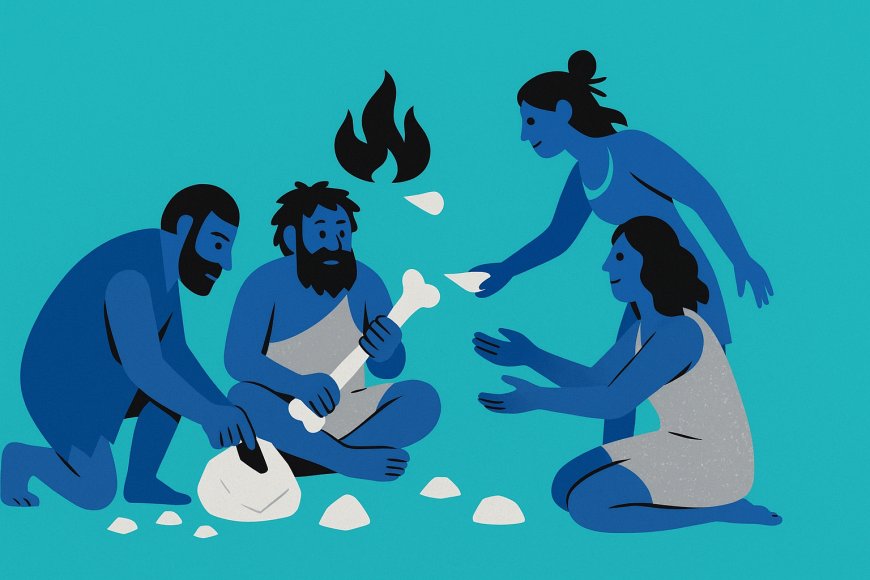
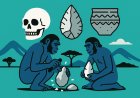
The emergence of morality in humans represents a fundamental evolutionary puzzle. Consider a small group of early humans, foraging together in a prehistoric landscape. Cooperation, vital for survival, demands trust and mutual aid. But why would an individual, driven by self-interest, act altruistically? The answer may lie in a suite of behaviors collectively termed 'reciprocity'. These behaviors, though seemingly simple, laid the groundwork for the sophisticated moral systems we recognize today in human societies.


Reciprocity, a kind of tit-for-tat social contract, allowed early humans to form alliances and safeguard resources in a harsh environment. In a typical observational study of primate groups, researchers might note that grooming and food sharing are often reciprocated, establishing a network of interdependencies. Animals displaying these traits often demonstrate higher survival rates. Such observations suggest that reciprocity may have been a crucial step in the evolution of morality, providing benefits to those who engaged in mutualistic interactions.
The Role of Evolutionary Mechanisms in Moral Development
Evolutionary anthropology posits that natural selection favored traits that improved survival and reproductive success. Within early human communities, individuals who engaged in cooperative behaviors likely had higher chances of thriving. Consider an experiment with computer simulations where agents employ different strategies in social exchanges. The simulations show agents that adopt reciprocal strategies outperform those that are purely selfish, indicating that evolution would favor the former over multiple generations.
In such simulations, agents embodying altruistic tendencies might occasionally suffer due to exploitation by defectors. However, the cumulative benefits gained through reciprocated cooperation outweigh these occasional losses, ensuring the persistence of altruistic genes in the population. This suggests that natural selection may have inherently favored the development of moral cognition as a tool for enhancing cooperative interactions among individuals.
Moreover, the biological underpinnings of morality involve complex neurological processes. Brain imaging studies on humans often reveal areas associated with empathy and fairness becoming active during moral decision-making tasks. This neural machinery likely evolved to underpin moral cognition, facilitating the advanced social behaviors observed in modern humans. Thus, evolutionary mechanisms have not only fostered the emergence of moral behaviors but also embedded them deeply within human biology.
Cultural Evolution and the Expansion of Moral Norms
As human societies grew in size and complexity, so too did the moral systems guiding behavior. Cultural evolution theory suggests that once nascent moral norms were established, they could evolve rapidly in response to changing social environments. Imagine a cultural anthropologist studying a small community that transitions from a hunter-gatherer group into an agrarian society. Here, moral norms such as fairness in resource distribution would become more pronounced to maintain social cohesion.
Over time, these norms are codified into laws and social customs, reflecting a collective agreement on what constitutes moral behavior. In this way, cultural evolution acts as a force multiplier, taking the innate moral tendencies shaped by biological evolution and expanding them to fit the needs of larger, more complex societies. This creates a feedback loop where evolving cultural norms can influence biological selection pressures by altering the social environment.
In modern contexts, cultural transmission of moral principles occurs through educational systems, media, and familial structures, perpetuating the moral frameworks that have evolved over millennia. By examining diverse cultures, researchers can observe how different environmental pressures have shaped distinct moral codes, offering insights into the flexible nature of human morality.
Implications for Understanding Human Society
The investigation of morality's evolutionary origins provides a lens through which to understand contemporary social dynamics. In a hypothetical longitudinal study, researchers following a community over decades might observe how shifts in economic conditions, leadership, or climate impact moral norms. Such studies help elucidate the adaptability of moral systems and their role in societal stability.
Furthermore, examining morality through an evolutionary perspective can inform debates on contemporary moral issues by grounding them in a scientific context. Understanding that moral behavior emerges from a combination of biological and cultural evolutions allows for a more nuanced discourse around ethical questions facing societies today, such as equity, justice, and human rights.
The study of human morality’s evolutionary roots enhances our comprehension of the intricate dance between biological imperatives and cultural innovations. As we continue to unravel these connections, the insights gleaned hold potential for guiding societal growth, fostering relationships, and addressing global challenges.
What's Your Reaction?