






















































































The Cognitive Science Behind Consumer Decision-Making in Sales
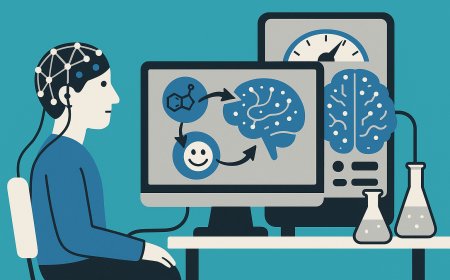
Recent research in cognitive science reveals how underlying psychological mechanisms, such as cognitive biases and heuristics, significantly shape consumer decision-making processes in sales contexts. Understanding these mechanisms provides valuable insights into consumer behavior and informs the development of more effective sales strategies. Various experimental setups demonstrate the impact of framing effects, anchoring, and social proof on purchasing decisions, highlighting the interplay between emotional and rational factors. As the complexity of sales environments continues to evolve, integrating cognitive science with sales strategies enhances predictive accuracy and customer engagement, offering a more nuanced understanding of consumer behavior and decision-making. Future research may further uncover potential alignments between sales practices and cognitive adaptability, fostering innovation in sales methodologies.

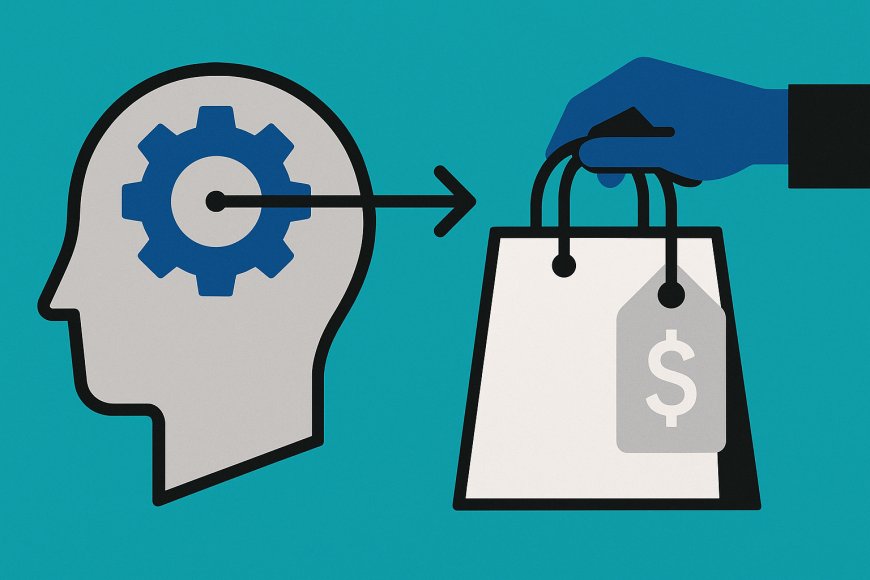
In the intricate world of sales, consumer decision-making is not purely a rational process. Human cognition, with all its complexities, plays a crucial role. Every day, individuals make purchasing decisions influenced by a myriad of psychological factors, underlying biases, and perceptual shortcuts. An intriguing aspect of this is how cognitive science aids in decoding these consumer behaviors.


Consider the subtle influence of framing effects on consumer choice. In a typical experimental study, participants are presented with two identical products, one described as having a 90% satisfaction rate, while the other notes a 10% dissatisfaction rate. Despite the mathematical equivalence, a significant majority opt for the former, highlighting how positive framing sways consumer perception. This demonstrates how cognitive biases, such as positivity bias, can be leveraged to guide purchasing decisions.
Psychological Anchors and Consumer Behavior
Anchoring, a fundamental concept in cognitive psychology, reveals how initial information serves as a reference point for subsequent decisions. In sales, anchoring often manifests through price setting. Retailers know this well; consider a behavioral experiment where consumers are first shown a high-priced item, which they do not intend to buy. Subsequent exposure to a moderately priced product makes it appear more affordable. This perception shift is a direct result of the initial anchor set by the higher price, illustrating how consumers' valuation processes are subtly manipulated.
Such anchoring effects extend beyond pricing. Product placement and promotional strategies often utilize strategic anchors to enhance perceived value. For example, a store might place premium items alongside standard offerings. The premium product acts as an anchor, making regular items seem like bargains and nudging consumers toward purchase.
Understanding this cognitive anchor allows marketers to design more effective pricing strategies that align with consumer psychology. By setting anchors that consumers perceive as beneficial, businesses can drive sales and improve customer satisfaction.
The Role of Social Proof in Sales Strategies
Social proof, a phenomenon deeply rooted in human psychology, plays a pivotal role in consumer decision-making. When individuals are uncertain, they often look to others' actions to guide their own choices. This is particularly evident in digital sales environments where reviews and ratings significantly impact purchasing behavior.
In a typical observational study, two identical products are displayed online, one with numerous positive reviews and the other with none. Predictably, the product with reviews often outsells the one without, illustrating the potent influence of social proof. Consumers interpret these reviews as validation of quality, safety, and desirability, reducing the perceived risk of purchase.
Sales strategies that effectively harness social proof can lead to enhanced consumer trust and higher conversion rates. Acknowledging the psychological drive for conformity and the comfort found in collective validation, businesses can integrate social proof mechanisms such as user testimonials and expert endorsements into their sales tactics.
Emotional Resonance and Rational Decision-Making
The interplay between emotion and rationality is vital in understanding sales dynamics. Emotional resonance often precedes rational analysis, with decisions being justified post-hoc by logical reasoning. This dual process is essential in consumer psychology, where emotional connections can significantly affect purchasing behavior.
In a sales experiment, participants exposed to emotionally charged advertisements, such as those invoking nostalgia or happiness, exhibit a higher purchase intention than those exposed to neutral ads. This indicates that emotional triggers can bypass rational barriers, leading to immediate decision-making actions.
Sales tactics that resonate emotionally with consumers can drive engagement and loyalty. By crafting narratives that align with consumers' values and aspirations, marketers can foster deeper connections and influence decision-making more effectively.
The integration of cognitive science into sales strategy offers promising paths for innovation. As the complexity of sales environments evolves, understanding the cognitive underpinnings of consumer behavior becomes increasingly critical. Future research will likely delve deeper into adaptive strategies that not only anticipate but also shape consumer decision-making. Such insights hold the potential to revolutionize sales methodologies, aligning them more closely with the dynamic nature of human cognition.
What's Your Reaction?