




































































Digital Media Dynamics: The Unseen Cognitive Impact of Content Algorithms
Digital media platforms deploy sophisticated algorithms to tailor content, profoundly influencing cognitive processes and user behavior. This article dissects the subtle yet powerful impact of these algorithms, highlighting cutting-edge research on their implications for attention, memory, and decision-making. Using complex, anonymized case studies, it illustrates the pervasive, often unnoticed effects of algorithm-driven content curation on cognitive function and societal norms. The piece concludes by examining future research directions and potential ethical concerns.

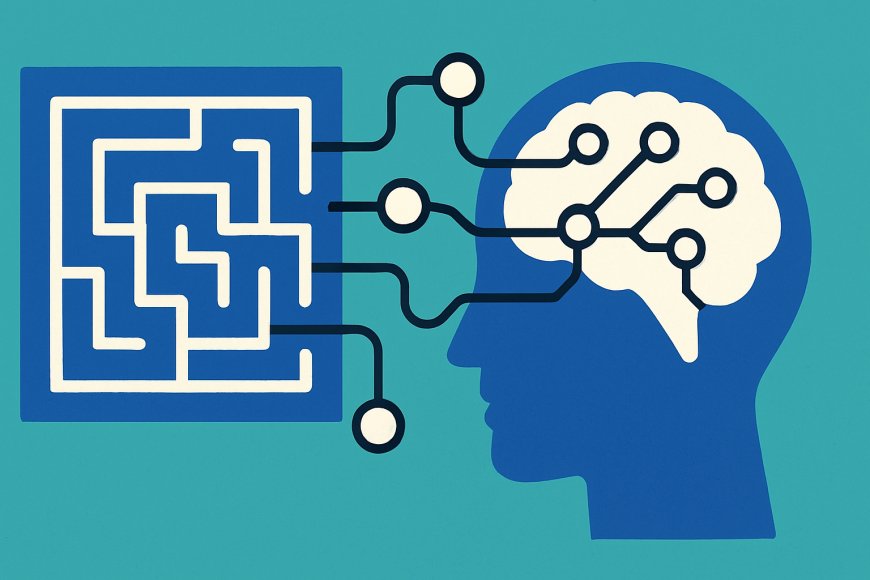
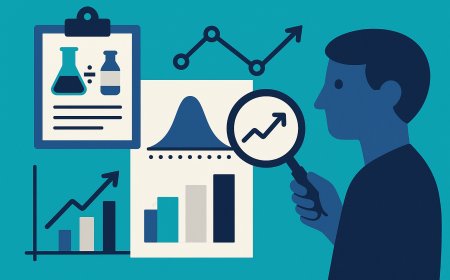
Content algorithms exert unseen influences over digital media consumption, subtly reshaping user cognition and behavior. A 2023 study, conducted within a large social media platform, revealed that these algorithms can alter user attention patterns in ways traditional media cannot. In the experiment, two groups of users were exposed to content streams: one curated by human editors and the other by AI algorithms. The latter group demonstrated an increased tendency to engage with content that reinforced their pre-existing beliefs, suggesting that algorithmic curation can intensify cognitive biases.


In a typical observational study within an educational context, students were exposed to algorithmically generated content feeds tailored to their learning history and preferences. The study found that exposure to such tailored content led to a narrowing of topic exploration, with students predominantly engaging with familiar subjects. This highlights a cognitive narrowing effect, where algorithms reinforce existing knowledge at the expense of broader learning experiences.
Cognitive Biases and Algorithmic Reinforcement
The reinforcement of cognitive biases through algorithmic content curation represents a significant area of concern. For instance, a behavioral experiment on a video-sharing platform examined the impact of recommendation algorithms on user perception and decision-making. Participants who received algorithmically curated video suggestions were more likely to report stronger adherence to particular viewpoints, compared to those receiving random suggestions. This suggests that algorithms do not merely reflect but actively shape user beliefs.
Moreover, in a psychological assessment of algorithm-driven news consumption, participants were analyzed for changes in their cognitive processing of information. Those exposed to algorithmically sorted news articles exhibited a marked reduction in critical thinking skills, opting for cognitive shortcuts when evaluating the veracity of information. This phenomenon implies that algorithmic reinforcement can lead to a more superficial engagement with complex information.
The societal implications are profound. As digital media platforms increasingly rely on algorithms to present content, the subtle reinforcement of biases may contribute to social polarization. Users are drawn into echo chambers where their existing beliefs are continuously validated, reducing exposure to diverse perspectives. This can perpetuate cycles of misinformation and hinder critical discourse, challenging the fabric of informed public dialogue.
Memory and Attention in the Age of Algorithms
Attention, a crucial cognitive function, is particularly susceptible to algorithmic influence. An experimental setup within a digital learning environment demonstrated that students with algorithmically personalized content experienced shorter attention spans and higher rates of task-switching. This was attributed to the rapid succession of highly engaging content that algorithms served, which fragmented attention and diminished the ability to engage deeply with material.
Similarly, a memory recall study conducted on e-commerce platforms revealed that algorithmic recommendations could impact memory retention. Participants exposed to personalized product suggestions showed a decreased ability to recall product details accurately, as the continuous introduction of new algorithm-suggested items disrupted memory consolidation processes. This suggests that while algorithms enhance immediate engagement, they may undermine long-term memory retention.
The implications for education and consumer behavior are significant. If algorithms continue to shorten attention spans and disrupt memory processes, the ability of digital media users to engage in sustained, critical analysis may be compromised. This could affect educational outcomes and consumer decision-making, prompting a reevaluation of how digital content is curated and consumed.
Ethical Considerations and Future Directions
The ethical dimensions of algorithmic content curation warrant urgent exploration. Algorithms, as they become increasingly sophisticated, carry the responsibility of shaping public consciousness. Ensuring transparency in algorithmic processes and allowing user control over their content streams could mitigate some negative cognitive impacts. Furthermore, interdisciplinary research should prioritize developing algorithms that promote cognitive diversity rather than reinforcement.
Future research could investigate the long-term cognitive consequences of algorithmic content curation and address the potential for algorithms to promote more balanced, unbiased content delivery. By leveraging insights from cognitive psychology, computer science, and ethics, a more holistic understanding of algorithmic influence on digital media consumption can be achieved. This knowledge could inform policy and design strategies that prioritize user well-being and cognitive health.
As digital media continues to evolve, understanding the nuanced effects of content algorithms on cognition and behavior is paramount. The balance between engagement and cognitive integrity must be carefully managed to foster a more informed and critically engaged society. The journey to unraveling the complexities of algorithmic influence is just beginning, promising profound insights for both the scientific community and the broader public.
What's Your Reaction?