























































































Starches Decoded: A Guide to Simple vs. Complex Carbs for a Healthy Diet
Explore the world of starches and learn the crucial difference between simple and complex carbs. This guide helps you choose the right starches to avoid weight gain and boost your overall health.
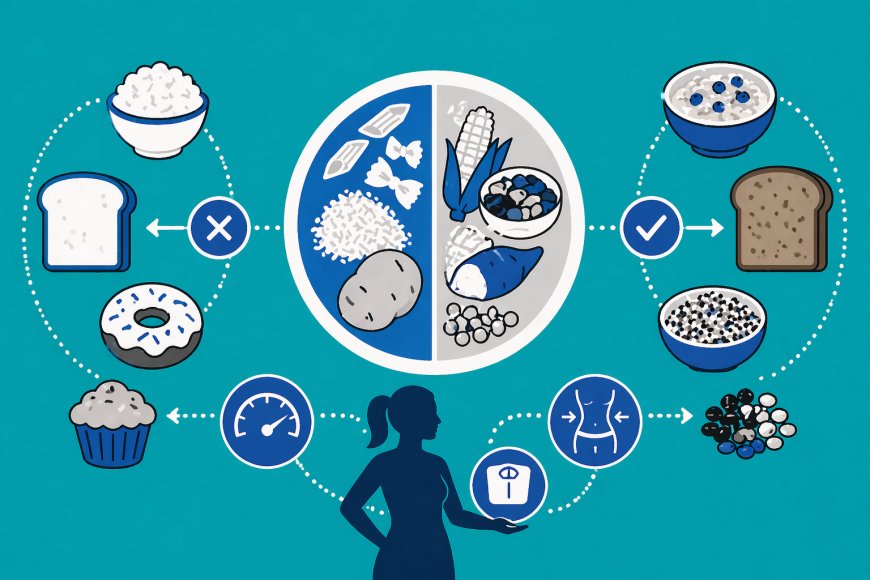
Starches are often misunderstood within modern nutrition discourse. They are frequently blamed for weight gain and metabolic disorders, yet this perspective is rooted in oversimplification rather than scientific accuracy. The reality is more nuanced. Starches are not inherently harmful; their effects depend on their structure, quality, and the context in which they are consumed.


Understanding starches requires moving beyond generalizations toward a more precise biochemical and nutritional perspective, one that distinguishes between their types and explains their role within metabolic health.
What Starches Really Are
Starches are a form of carbohydrate, specifically classified as complex carbohydrates composed of long chains of glucose molecules. They are found primarily in plant-based foods and serve as a major source of energy for the human body.
Once consumed, starches are broken down into glucose, which is either used immediately for energy or stored as glycogen in the liver and muscles. This fundamental role places starches at the center of human metabolism, particularly in supporting brain function, physical activity, and daily physiological processes.
Carbohydrates, as a broader category, include simple sugars, starches, and dietary fiber. Within this framework, starches represent only one component. All starches are carbohydrates, but not all carbohydrates are starches. This distinction is essential for understanding their metabolic impact.
The Functional Difference Between Types of Starches
The effect of starches on the body is not uniform. It is determined by their chemical structure and how quickly they are digested and absorbed.
Some starches are rapidly digested, leading to a sharp rise in blood glucose levels. This triggers a strong insulin response, which promotes energy storage, often in the form of fat. These starches are typically found in refined and processed foods, where fiber and nutrients have been removed.
In contrast, other starches are digested more slowly. They release glucose gradually into the bloodstream, resulting in a more stable energy supply and a moderated insulin response. These are commonly found in whole, minimally processed foods that retain their natural fiber content.
This difference in digestion speed is central to understanding why not all starches affect the body in the same way.
Starches and Weight Gain: The Real Mechanism
Starches do not directly cause weight gain. The issue lies in the type of starch and how it interacts with blood sugar and insulin regulation.
Foods with a high glycemic impact are absorbed quickly, causing rapid spikes in blood glucose. The body responds by releasing large amounts of insulin, which not only regulates glucose levels but also promotes fat storage, particularly in the abdominal area.
At the same time, these rapid fluctuations in blood sugar often lead to a subsequent drop, triggering hunger and increasing the likelihood of overeating. This cycle, when repeated, contributes to excess caloric intake and long-term metabolic dysfunction.
Processing plays a critical role in this mechanism. As foods become more refined, they lose fiber, vitamins, and minerals. Fiber, in particular, slows digestion and enhances satiety. Without it, food becomes easier to overconsume and less effective at regulating appetite.
Over time, repeated exposure to highly processed starches can impair insulin sensitivity, leading to a state where the body becomes less efficient at managing glucose. This progression increases the risk of conditions such as type 2 diabetes and fatty liver disease.
The Value of Complex Starches
Complex starches represent a fundamentally different nutritional profile. Their structure allows for slower digestion and a gradual release of glucose, supporting stable energy levels and reducing metabolic stress.
Their high fiber content plays a critical role in this process. Fiber slows glucose absorption, moderates insulin response, and promotes a prolonged feeling of fullness. This contributes not only to weight control but also to improved digestive function.
Additionally, fiber supports the growth of beneficial gut bacteria, which are increasingly recognized as central to immune function, metabolism, and even hormonal regulation.
Diets rich in complex starches have been associated with reduced inflammation, improved insulin sensitivity, and a lower risk of cardiovascular disease. These benefits position them as a cornerstone of a balanced and sustainable dietary pattern.
Common sources include whole grains, legumes, and starchy vegetables. These foods provide not only energy but also essential nutrients that support long-term health.
Starches Within the Broader Dietary Context
The impact of starches cannot be evaluated in isolation. Their effect is shaped by the overall dietary pattern, including the presence of proteins, fats, and fiber.
Balanced meals that combine complex starches with other macronutrients lead to slower digestion, improved satiety, and more stable metabolic responses. In contrast, consuming refined starches in isolation amplifies their negative effects.
Moderation is also essential. Even beneficial starches can contribute to weight gain if consumed in excessive quantities. The goal is not elimination but regulation and thoughtful selection.
Conclusion: From Elimination to Understanding
Starches are not the dietary enemy they are often portrayed to be. They are a fundamental source of energy and an integral component of human nutrition.
The distinction lies not between good and bad carbohydrates in absolute terms, but in understanding how different types of starches interact with the body. Quality, processing, and context determine their impact.
Shifting from avoidance to understanding allows for a more sustainable and scientifically grounded approach to nutrition. By prioritizing whole, fiber-rich sources and maintaining balance within the overall diet, starches can support both metabolic health and long-term well-being.
What's Your Reaction?