


































































The Scientific Underpinnings of Political Polarization: A Methodological Exploration
Political polarization has become a defining feature of modern democracies, with significant implications for governance and social cohesion. This article explores the scientific methodologies used to study polarization, focusing on cognitive biases, social network structures, and media influences. By simulating scenarios in controlled experiments and analyzing data from social media interactions, researchers aim to unravel the complex dynamics fueling division. The findings suggest that understanding polarization requires a multidisciplinary approach, integrating insights from psychology, sociology, and data science. Future research must address the ethical dimensions of interventions while seeking strategies to mitigate polarization and enhance democratic processes.

In an era marked by increasingly polarized political landscapes, understanding the scientific underpinnings of polarization is not merely an academic exercise but a societal necessity. The roots of this division can often be traced to psychological and social mechanisms that are as complex as they are pervasive. A controlled laboratory setting provides a unique environment for examining these mechanisms, where participants can be subjected to stimuli that emulate political messaging. Such painstakingly curated stimuli often reveal latent cognitive biases that drive individuals towards polarized views.


Consider an observational study where participants are exposed to a mix of controlled media content, ranging from neutral to overtly biased political narratives. Researchers measure changes in participants' attitudes using pre- and post-exposure surveys alongside physiological data, such as eye-tracking and heart rate monitoring. These studies consistently demonstrate that exposure to biased information enhances confirmation bias, leading individuals to more entrenched positions. The data underscores that cognitive biases, such as selective exposure and motivated reasoning, play a crucial role in reinforcing political divides.
The Role of Social Networks
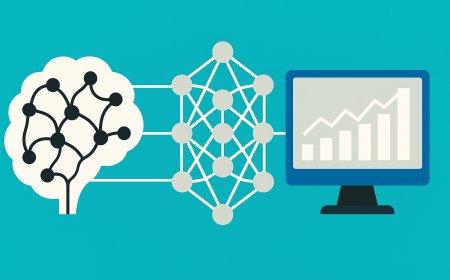
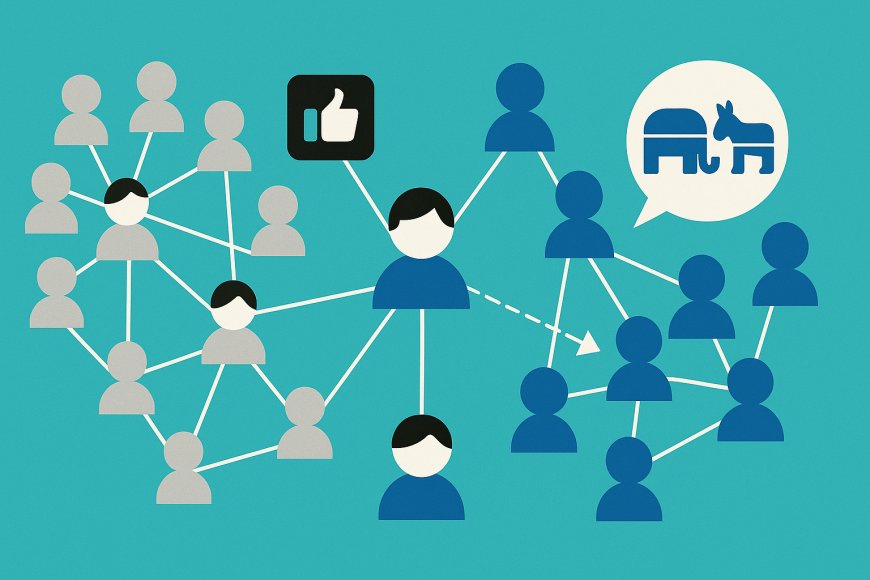
Social networks, both offline and online, act as echo chambers that magnify political polarization. The architecture of these networks—how individuals and groups are interconnected—influences the propagation of information and misinformation alike. Simulations within computational models of social networks illustrate how information cascades can rapidly lead to polarized clusters, even when initial opinions are diverse.
In a network simulation study, nodes represent individuals, and edges indicate social connections. Initial conditions reflect a spectrum of political opinions. As nodes interact, the simulation tracks the diffusion of information and the alignment of opinions over time. Results often reveal that highly connected nodes, or influencers, play a disproportionate role in shaping opinions. This phenomenon demonstrates the susceptibility of networks to polarization, particularly when influencers exhibit strong biases.
Moreover, empirical data extracted from real-world social media analytics further corroborate these findings. By analyzing interactions on popular platforms, researchers discern patterns in how political content is shared and how these patterns contribute to reinforcing existing divides. Such analyses reveal the dual role of social media as both a facilitator of diverse viewpoints and a driver of intensified polarization.
The Influence of Media
The media's role in political polarization cannot be overstated. The rise of targeted media consumption, fueled by algorithms designed to maximize engagement, often results in content that caters to pre-existing beliefs. Behavioral experiments that manipulate media consumption patterns offer insights into this dynamic.
In a typical experiment, participants receive curated news feeds that gradually shift in bias. Researchers track changes in political attitudes using sophisticated sentiment analysis and longitudinal surveys. These experiments often highlight the potency of media-induced polarization, wherein subtle shifts in media bias can lead to significant attitudinal changes.
Recent advancements in natural language processing provide researchers with tools to analyze media content at unprecedented scales. By employing sentiment analysis and topic modeling, studies reveal how media narratives evolve over time and how these narratives interact with public opinion. Such methodological innovations are pivotal in understanding the cyclical relationship between media output and political polarization.
Media influence extends beyond content to include the framing of information. The framing effect, a well-documented psychological phenomenon, illustrates how the presentation of information affects perception. Studies focusing on framing demonstrate that subtle changes in language and context can significantly alter perceived credibility and trustworthiness of news sources, further entrenching polarized attitudes.
As scholars continue to untangle the scientific intricacies of political polarization, the ethical implications of their work become increasingly pronounced. Strategies to mitigate polarization must carefully balance intervention efficacy with respect for democratic principles and freedom of expression. The future of this research domain hinges on interdisciplinary collaboration and the development of methodologies that not only explain but also offer viable solutions for bridging divides. As societal challenges become more complex, the scientific exploration of polarization will remain a crucial endeavor for sustaining democratic cohesion.
What's Your Reaction?