
















































































Epigenetic Crosstalk: Unveiling the Interconnected Molecular Pathways
Recent studies emphasize the intricate interactions among epigenetic mechanisms such as DNA methylation, histone modification, and non-coding RNA. These regulatory networks influence gene expression and have profound implications for understanding complex biological phenomena, including disease etiology and therapeutic strategies.

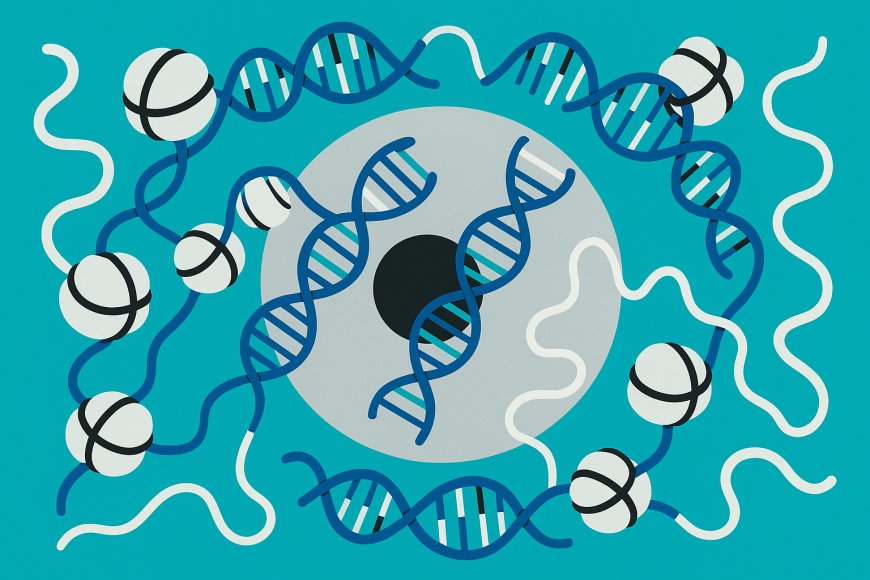
Epigenetics, once a niche domain within molecular biology, now occupies a central role in understanding the intricacies of gene regulation. Imagine a scenario where identical twins, possessing the same genetic code, exhibit strikingly different susceptibility to diseases. This observation underscores the profound impact of epigenetic modifications—dynamic and reversible alterations that mediate gene expression without altering the underlying DNA sequence.


Central to this field is the concept of epigenetic crosstalk, a term that encapsulates the interplay between various epigenetic mechanisms. These include DNA methylation, histone modifications, and non-coding RNAs, each contributing to a regulatory network that dictates cellular identity and function. Recent developments in this area have begun to unravel how these mechanisms interact, offering insights into their collective influence on biological processes.
DNA Methylation and Histone Modification: The Core Components
Within the nucleus, DNA methylation acts as a primary signal directing the repression of gene expression. Methyl groups attach themselves to cytosine bases, effectively marking genes for silencing. This process is crucial for maintaining cellular homeostasis and is implicated in various diseases when dysregulated. However, methylation does not operate in isolation. Histone modifications, which involve the addition or removal of chemical groups from histone proteins, also play a pivotal role in chromatin remodeling and gene expression.
To appreciate the synergy between these processes, consider an experiment conducted at a leading genetic research institute. Researchers employed a sophisticated chromatin immunoprecipitation technique combined with bisulfite sequencing to map the interaction between methylated DNA regions and modified histones across the genome. Their findings revealed that DNA methylation patterns were intricately linked to specific histone modifications, such as acetylation and methylation, which collectively influenced gene expression states.
Histone modifications can either condense chromatin, rendering genes inaccessible, or relax it, facilitating transcription. The ability of cells to switch between these states is crucial for development and differentiation. This dynamic process is governed by a complex interplay of enzymes that add or remove these chemical marks, akin to an intricate dance where each step influences the next.
The Role of Non-Coding RNAs in Epigenetic Regulation
Non-coding RNAs (ncRNAs) have emerged as significant players in the epigenetic landscape. These molecules, although not translated into proteins, have profound regulatory functions. They can modulate gene expression by guiding chromatin-modifying complexes to specific genomic loci, thereby influencing histone modifications and DNA methylation.
An illuminating study from an international consortium used RNA-seq and chromatin analysis to demonstrate how long non-coding RNAs (lncRNAs) interact with chromatin modifiers. The researchers discovered that specific lncRNAs could recruit polycomb repressive complexes to target genes, leading to histone modifications that silence gene expression. This mechanism illustrates the intriguing capacity of ncRNAs to serve as versatile regulators, capable of bridging different layers of epigenetic control.
The potential therapeutic applications of manipulating ncRNAs are vast. By designing molecules that mimic or inhibit specific ncRNAs, scientists could potentially modulate pathological gene expression patterns, offering new avenues for treating conditions like cancer or neurological disorders.
Implications for Disease and Therapeutic Interventions
The interconnected nature of epigenetic mechanisms has profound implications for understanding and treating diseases. Aberrant epigenetic modifications are hallmarks of numerous pathologies, including cancer, cardiovascular disease, and neurological disorders. The concept of epigenetic crosstalk suggests that therapeutic strategies targeting multiple epigenetic pathways simultaneously might be more effective than those targeting individual components.
In a pioneering clinical trial, researchers explored a combination therapy targeting both DNA methylation and histone deacetylation pathways in leukemia patients. The results were promising, demonstrating enhanced efficacy compared to single-agent treatments. This approach highlights the potential of exploiting epigenetic crosstalk in therapeutic strategies, offering a glimpse of personalized medicine's future.
Moreover, the reversible nature of epigenetic modifications provides a unique advantage. Unlike genetic mutations, which are permanent, epigenetic marks can be dynamically altered, allowing for the possibility of "reprogramming" diseased cells back to a healthy state. This capability is the cornerstone of epigenetic therapy, a field poised to transform how we approach complex diseases.
As we advance our understanding of epigenetic crosstalk, the potential to manipulate these interactions for therapeutic benefit becomes increasingly tangible. Future research will likely focus on elucidating the precise molecular mechanisms underlying these interactions, paving the way for novel interventions. The epigenetic landscape, with its intricate web of communication, offers a profound glimpse into the molecular choreography that governs life. Its study promises not only to unravel the complexities of gene regulation but also to herald a new era of medical innovation.
What's Your Reaction?