










































































The Intersection of Machine Learning and Epistemology: Rethinking Knowledge Acquisition
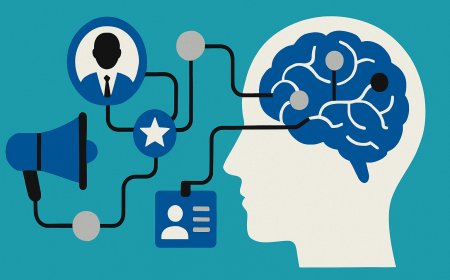
Machine learning, a burgeoning field of artificial intelligence, is revolutionizing the ways in which knowledge is acquired and understood. By integrating principles of epistemology, machine learning systems are not merely data processors but also dynamic contributors to our understanding of cognition and knowledge. This confluence of disciplines presents significant opportunities and challenges to traditional epistemic paradigms, offering new insights into the processes of learning, inference, and decision-making. The implications for scientific research, cognitive science, and artificial intelligence are profound, heralding a future where the boundaries of human and machine cognition may become increasingly intertwined and redefined.

In the realm of artificial intelligence, machine learning stands as a formidable frontier, reshaping traditional conceptions of knowledge acquisition. As an area of study, machine learning focuses on developing algorithms and statistical models that enable computers to perform specific tasks without explicit instructions. This capacity for self-improvement and adaptation has profound implications for epistemology, the philosophical study of knowledge, as it challenges and redefines the parameters of learning and understanding. By actively engaging in processes of pattern recognition and prediction, machine learning systems not only process data but also contribute to the evolving landscape of human cognition.


The intersection of machine learning and epistemology offers fertile ground for exploration. Traditional epistemology has long been concerned with the nature, scope, and limits of human knowledge. By integrating machine learning into this discourse, a new dimension of understanding emerges, wherein computational systems act as not merely passive recipients of data but as active agents in the knowledge construction process. This shift necessitates a reevaluation of established epistemic frameworks, prompting questions about the nature of truth, belief, and justification in the context of artificial intelligence.
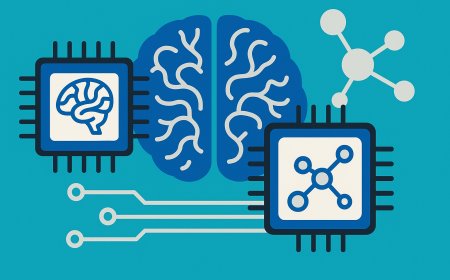
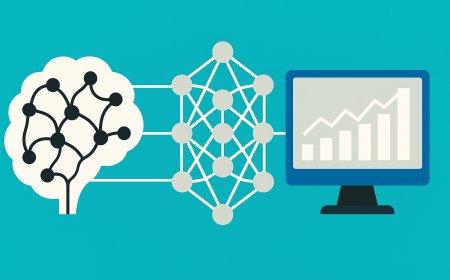
Moreover, the epistemological challenges posed by machine learning extend to the domain of cognitive science. As these systems mirror certain aspects of human cognitive processes, they provide a unique lens through which to examine the mechanisms of learning and decision-making. By drawing parallels between algorithmic learning and human cognition, researchers can gain insights into the fundamental principles underlying thought and understanding. This confluence of artificial intelligence and cognitive science holds the potential to yield transformative insights, offering a deeper comprehension of both biological and mechanical intelligences.
Understanding the Epistemological Paradigm Shift in Machine Learning
Machine learning, by virtue of its algorithmic sophistication, engenders a paradigm shift in epistemology. At its core, machine learning operates through the iterative refinement of predictive models based on input data. This process, inherently dynamic and adaptive, aligns with certain epistemological theories such as coherentism, where beliefs are justified by their coherence with a broader system. In machine learning, coherence is achieved through the alignment of predictions with observed outcomes, a process that parallels the human epistemic endeavor of aligning beliefs with experiential evidence.
Furthermore, machine learning challenges the traditional notion of the 'knower' as exclusively human. By facilitating machines that can generate hypotheses, test them against data, and adjust their strategies accordingly, machine learning systems engage in processes akin to scientific inquiry. They operate as 'artificial knowers,' entities capable of contributing to the body of knowledge, albeit through mechanistic means. This development prompts a reevaluation of the epistemic agent's role, expanding the boundaries to include non-human participants.
However, this inclusion of machines in the epistemic framework introduces questions about the nature of understanding. Machine learning models, though capable of remarkable feats of prediction and classification, often function as 'black boxes'—producing outputs without providing insight into the underlying causal mechanisms. This opacity presents an epistemological dilemma: Can knowledge be said to exist without understanding, and to what extent can machine-generated insights be considered genuine knowledge?
The implications of these questions extend beyond philosophical discourse. In practical terms, the reliability and accountability of machine learning systems in critical domains such as healthcare, finance, and law hinge on resolving these epistemic issues. Ensuring transparency and interpretability in machine learning models is paramount, as these systems influence decisions with profound societal impacts. The quest for comprehensible and trustworthy artificial intelligence remains a central concern in the ongoing dialogue between machine learning and epistemology.
The Future of Knowledge Acquisition: Merging Human and Machine Cognition
The future of knowledge acquisition resides at the confluence of human intuition and machine precision. As machine learning continues to evolve, it holds the potential to complement and enhance human cognitive capabilities. By leveraging the strengths of both entities, a synergistic approach to problem-solving and understanding may emerge, wherein human creativity intersects with machine efficiency to produce novel insights and solutions.
This prospective synergy between human and machine cognition offers transformative possibilities across various disciplines. In scientific research, the integration of machine learning can expedite data analysis, uncover patterns obscured to human researchers, and facilitate the generation of new hypotheses. In cognitive science, it provides a platform for testing and refining theories of mind and intelligence, offering empirical support for theoretical constructs.
Moreover, as artificial intelligence systems become increasingly sophisticated, they may begin to exhibit forms of creativity previously deemed solely within the human domain. This expansion of machine capabilities challenges the exclusivity of human creativity, prompting a reevaluation of what it means to be creative and how such processes manifest in diverse cognitive systems. The implications for art, music, and literature are profound, as machines begin to participate actively in the cultural and creative landscapes traditionally reserved for humans.
Yet, this integration of machine learning into the fabric of knowledge acquisition demands careful ethical consideration. The potential for machines to influence human thought and behavior underscores the importance of developing frameworks that ensure these systems are used responsibly and align with societal values. The ethical stewardship of machine learning technologies is imperative as humanity navigates the complexities of an increasingly interconnected cognitive ecosystem.
The evolution of machine learning stands at a pivotal juncture, offering profound opportunities for rethinking the nature of knowledge and cognition. As these systems continue to integrate into various facets of human life, they promise to revolutionize not only how we understand the world but also how we understand ourselves. This transformation heralds a future where the boundaries between human and machine cognition blur, paving the way for a new era of knowledge acquisition and cognitive collaboration. As researchers and technologists forge ahead, the challenge lies in harnessing this potential responsibly, ensuring that the convergence of human and machine intelligence serves to enhance and enrich the human experience.
What's Your Reaction?