


































































The Hidden Layers of Cognitive Bias in Human Skill Development
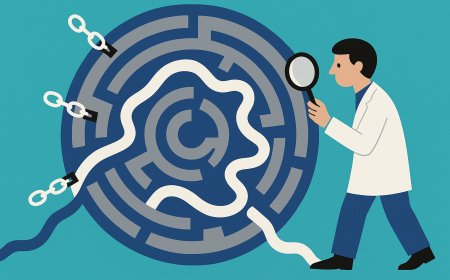
Cognitive bias significantly influences human skill development by subtly shaping perceptions and decision-making. Through observational studies and behavioral experiments, researchers seek to reveal how biases impact learning processes, thereby challenging traditional education methodologies. Recognizing and addressing these biases can foster more effective skill acquisition and professional growth.

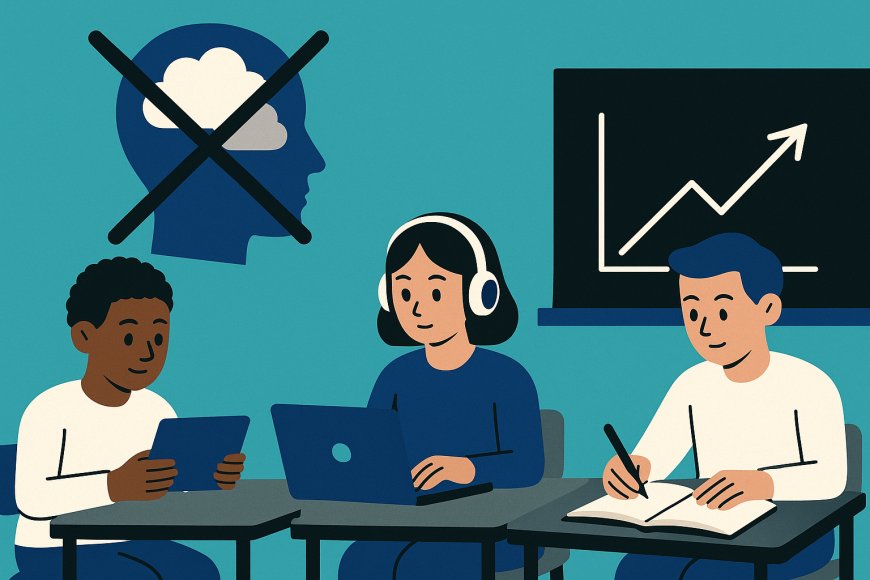
In a hypothetical world where skill development is unhindered by cognitive biases, decisions made would be purely rational, based solely on available facts. However, the reality is that these biases often operate beneath the surface, influencing decisions and behaviors that shape skill acquisition. This interplay of bias within human skill development is an area of growing interest for researchers in cognitive science and education.


Consider a typical observational study where individuals are tasked with learning a new skill, such as a musical instrument. Participants are divided into two groups: one receiving traditional instruction and another exposed to a novel, bias-aware methodology. Initial observations reveal that participants unaware of their biases often misjudge their progress, either underestimating or overestimating their abilities. This misjudgment can lead to either complacency or undue anxiety, both of which impede effective learning.
The Mechanisms of Cognitive Bias in Skill Development
At the core of cognitive bias lies a series of mental shortcuts known as heuristics. These shortcuts are designed to ease decision-making processes by reducing the cognitive load required for complex judgments. While beneficial in quick decision-making contexts, heuristics can inadvertently skew the perception of information when developing new skills. Confirmation bias, for instance, leads learners to favor information that supports existing beliefs while ignoring contradictory evidence.
A behavioral experiment illustrates this phenomenon: novice chess players were asked to evaluate their performance after matches. Those exhibiting strong confirmation biases consistently rated their strategic choices more favorably, even when objective analysis showed otherwise. This self-affirming cycle prevented honest self-assessment and, consequently, hindered skill improvement.
Another critical factor is the availability heuristic, where individuals judge the likelihood of an event based on how easily examples come to mind. In skill development, learners may overestimate the difficulty of a task if prior attempts were challenging, causing them to avoid beneficial but demanding practice opportunities. Recognizing and mitigating these biases is crucial for fostering accurate self-assessment and sustained skill growth.
Impact of Social Biases on Collective Skill Acquisition
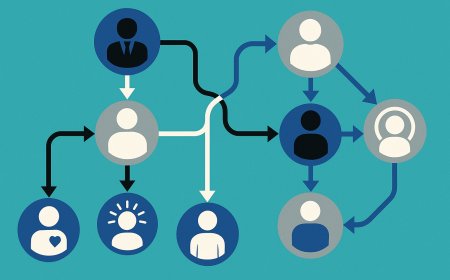
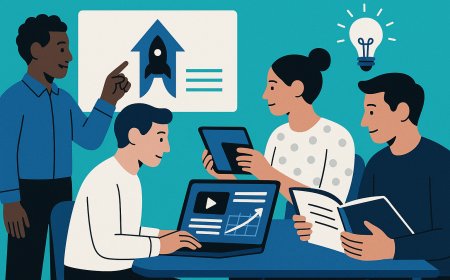
While individual cognitive biases are significant, social biases often amplify these effects in collective learning environments. Social desirability bias, for example, causes individuals to conform to perceived group norms, even when it conflicts with personal learning strategies. In a collaborative workshop scenario, participants may hesitate to voice innovative ideas, fearing negative judgment or rejection from peers.
Investigating this further, an anonymized case study within a corporate training program revealed that team members were reluctant to question established procedures. The perceived authority of experienced colleagues inhibited open dialogue and the sharing of diverse perspectives. This stifling of creativity and critical thinking curtailed the collective skill enhancement that diverse input often fosters.
By cultivating an environment where diverse opinions are encouraged and biases are acknowledged, facilitators can promote a culture of psychological safety. This approach enables learners to engage more openly and critically, enhancing overall skill development within group settings. Such environments also encourage reflective practices, allowing individuals to recognize and address their cognitive biases more effectively.
Strategies to Counteract Bias-Induced Limitations
Counteracting cognitive bias in skill development requires methodical interventions. One effective method is implementing reflective journaling practices, where learners document their experiences and thought processes. This self-reflection encourages metacognitive awareness, helping individuals to recognize bias-driven decisions and adjust their learning strategies accordingly.
Moreover, integrating feedback loops within educational methods can mitigate bias impact. Constructive feedback from external sources, such as mentors or peers, provides objective insights that challenge learners' preconceived notions. For instance, in a coding boot camp setting, real-time feedback on programming tasks helps students correct errors rooted in biased assumptions about their problem-solving capabilities.
Finally, incorporating diverse learning modalities can address biases by presenting information through various perspectives. This methodological diversity reduces the risk of biased interpretations dominating the learning process. A multidisciplinary workshop that combines visual, auditory, and kinesthetic elements ensures a holistic approach, accommodating different cognitive processing styles and minimizing the influence of bias.
In recognizing the pervasive influence of cognitive biases on skill development, researchers and educators are increasingly focused on devising strategies that acknowledge and address these hidden barriers. As methodologies evolve to accommodate a more nuanced understanding of human cognition, the potential for effective skill acquisition and professional growth expands.
Future research should explore how technology, specifically machine learning and artificial intelligence, can aid in identifying and mitigating cognitive biases in real-time. As we deepen our understanding of these biases, the capacity to foster environments that promote more equitable and effective learning becomes not just possible, but inevitable.
What's Your Reaction?