



































































The Biomechanical Symphony of Human Movement: Insights from Modern Biomechanics
This article delves into the complex interplay of biomechanical processes that govern human movement, emphasizing muscle dynamics, neural control, and adaptive mechanisms. Through realistic scenarios and controlled experiments, it elucidates the interconnected systems facilitating locomotion and the innovative methods revolutionizing biomechanics research. Highlighting the implications for health and rehabilitation, it fosters a nuanced understanding of the human body's mechanical elegance and suggests pathways for future exploration.

Imagine the effortless grace of a sprinter launching from the starting blocks or the nuanced precision required for a pianist's fingers to dance across keys. These movements, whether explosive or delicate, rely on a complex orchestration of biomechanical processes. At the core of this intricate symphony lies the field of biomechanics, a domain dedicated to understanding the mechanical aspects of living organisms, particularly humans, in motion.


Biomechanics examines how forces produced by muscles and gravity interact, enabling movement. It leverages principles from physics and engineering to elucidate how biological structures such as bones, muscles, and tendons work together. Consider a high-jump scenario where an athlete's success hinges on precise coordination of lower limb muscles and the strategic use of angular momentum. Through analyzing such movements, biomechanics provides insights into motion efficiency and performance optimization.
Muscle Dynamics and Force Generation
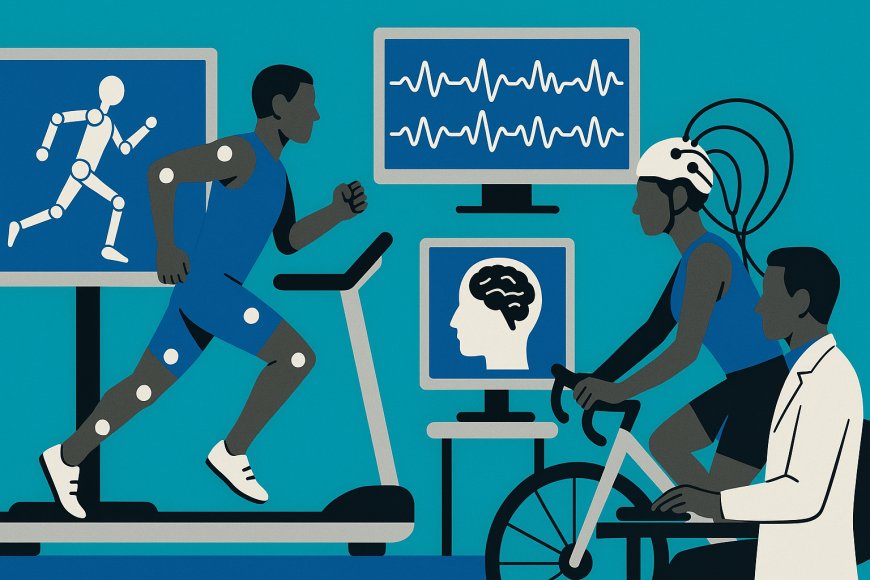
Muscles are the engines of movement. They transform biochemical energy into mechanical energy, facilitating motion through contraction. In a typical electromyography study, researchers attach electrodes to an athlete’s leg muscles to record electrical activity during sprints. This setup reveals which muscles are activated and when, offering a window into the muscle coordination required for rapid acceleration.
Muscle dynamics are characterized by the force-length and force-velocity relationships. These relationships describe how muscle force varies with changes in muscle length and contraction speed. For instance, during a soccer kick, the quadriceps and hamstrings must generate varying forces as the leg extends and flexes. Understanding these dynamics allows physiologists to develop training regimens that enhance muscle performance and minimize injury risk.
The integration of advanced imaging techniques, like MRI and ultrasound, into biomechanics research has revolutionized our understanding of muscle architecture. In contemporary studies, researchers utilize these tools to visualize muscle fibers in motion, offering unprecedented clarity on how muscles adapt to different physical demands. This knowledge assists in crafting specialized rehabilitation protocols for athletes recovering from injuries, focusing on muscle restoration and functional recovery.
Neural Control and Movement Coordination
Movement coordination is not solely a mechanical process. It is intricately linked to the neural networks that control muscle function. In a typical neural control experiment, subjects might perform a series of targeted hand movements while brain activity is monitored via functional MRI. Such experiments illuminate the brain regions involved in planning and executing precise movements.
The central nervous system (CNS) plays a pivotal role, orchestrating the timing and intensity of muscle contractions. This neural control ensures smooth, coordinated movement. Consider an experiment where researchers use transcranial magnetic stimulation to temporarily disrupt neural signals in the motor cortex. Observations from these trials reveal how critical neural pathways manage movement fluidity and adaptability.
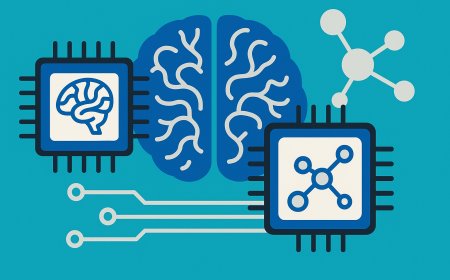
Moreover, recent advancements in neurotechnology, such as brain-computer interfaces, are expanding our ability to decode neural signals related to movement. These innovations are not only enhancing scientific understanding but also opening new avenues for treating motor disorders, by retraining the CNS to compensate for lost functions following injury.
Adaptive Mechanisms and Functional Plasticity
The human body exhibits remarkable plasticity, adapting to the demands of varied physical activities. In a typical adaptive mechanism study, researchers might track changes in an athlete’s muscle and tendon properties over a training season. They observe how these tissues respond to increased workloads, adjusting their mechanical attributes to optimize performance and sustainability.
This plasticity is particularly evident in athletic training, where repetitive actions induce structural changes in muscles and tendons, enhancing their efficiency and resilience. For instance, a long-distance runner’s tendons might become stiffer, storing and releasing energy more effectively, akin to a spring.
Functional plasticity extends to the CNS, where repetitive practice of a movement refines neural pathways, improving coordination and skill. In rehabilitation, understanding these adaptive mechanisms allows for the design of targeted therapies that stimulate neuroplasticity, aiding recovery in stroke patients by encouraging the CNS to establish new neural connections.
The fusion of biomechanics and neurophysiology in adaptive studies illustrates a holistic approach to understanding movement. This convergence is fostering innovations in sports science, rehabilitation, and even robotics, where insights into human adaptability inform the development of responsive, life-like prosthetics.
The future of biomechanics is richly promising. As technology advances, the precision with which we can study and augment human movement will continue to improve. This knowledge not only enhances athletic performance and rehabilitation outcomes but also deepens our appreciation of the mechanical elegance of human movement. The quest for understanding the complexities of our biomechanical orchestration will undoubtedly yield further revelations, reshaping our approach to health and performance.
What's Your Reaction?