























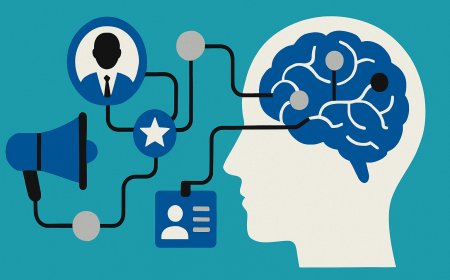



























































Redefining Emotional Intelligence: Neural Pathways and Cognitive Foundations
Emotional intelligence (EI) is traditionally viewed as a blend of empathetic skills, social acumen, and emotion regulation. However, recent neuroscientific research suggests that EI may be deeply rooted in specific neural pathways and cognitive processes. This article explores how these findings challenge established perspectives on EI, proposing a more biologically grounded framework. We examine the neural underpinnings of empathy, emotion regulation, and social cognition, and consider how these insights could improve EI assessments and interventions. By integrating neuroscience and cognitive science, a more comprehensive understanding of EI could emerge, reshaping both theoretical constructs and practical applications.

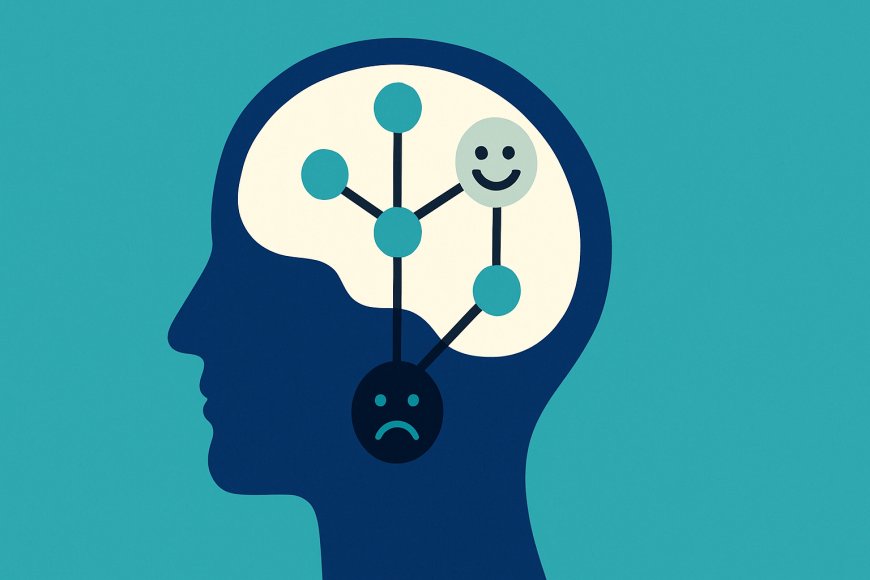
Emotional intelligence (EI) has long been considered a constellation of social skills, empathy, and self-regulation. Conventional theories, rooted in psychological constructs, often emphasize the behavioral and interpersonal aspects. Yet, emerging evidence from neuroscience posits a more intrinsic framework. The neural pathways implicated in emotional processing offer a prime candidate for understanding EI's biological basis.


These neural components are far from abstract. They manifest in distinct brain regions and circuits. Consider the amygdala, renowned for its role in emotion regulation. In a typical neuroimaging study, researchers might observe heightened activity in the amygdala when subjects engage in tasks requiring emotional discernment. Functional MRI scans reveal that this brain region works in concert with the prefrontal cortex, a critical site for processing social information and regulating emotional responses.
Understanding EI from a neural perspective requires dissecting these pathways. The anterior cingulate cortex, for instance, facilitates the regulation of emotional states. It acts as a mediator, balancing emotional impulses with cognitive control. In behavioral experiments, subjects with reduced activity in this region often exhibit challenges in emotional regulation, underscoring its significance in the EI framework.
Neural Substrates of Social Cognition
Social cognition, a cornerstone of emotional intelligence, is intricately linked to specific neural circuits. The temporoparietal junction and the medial prefrontal cortex are pivotal in processing social cues and theory of mind. These brain areas enable individuals to infer thoughts and intentions in others, a skill essential for empathy and social interaction.
In a controlled study, participants engaged in a "reading the mind in the eyes" task. Neuroimaging revealed activation in the temporoparietal junction when subjects correctly identified emotional states solely from eye expressions. This suggests a neural basis for empathy, integral to the broader EI construct.
Moreover, the medial prefrontal cortex, involved in self-referential thinking and social judgments, enhances our understanding of EI. Individuals with impairments in this region often display reduced empathy and social awareness, as evidenced by longitudinal case studies. Such insights prompt a reevaluation of how we assess and cultivate emotional intelligence in educational and professional contexts.
The Cognitive Components of Emotion Regulation
Emotion regulation, a vital component of EI, is not purely affective but deeply cognitive. Cognitive reappraisal, an emotion regulation strategy, recruits the prefrontal cortex to reinterpret negative stimuli positively. This cognitive process underscores the interplay between neural circuits and cognitive techniques in managing emotions.
In experimental settings, subjects practicing cognitive reappraisal show increased activation in the prefrontal regions, coupled with decreased amygdala response. These findings highlight the cognitive underpinnings of EI, challenging the notion that emotional intelligence is solely an emotional skill set.
Furthermore, the dorsolateral prefrontal cortex exerts executive control over emotional responses, integrating working memory and attention in emotion regulation. Behavioral interventions aiming to enhance EI might benefit from incorporating cognitive training programs targeting these prefrontal areas, potentially improving emotion management in individuals.
Redefining Emotional Intelligence: Towards an Integrated Framework
Reassessing emotional intelligence through the lens of neuroscience and cognitive science invites a paradigm shift. The traditional dichotomy of emotion versus cognition is increasingly blurred, with evidence pointing to a symbiotic relationship. As we uncover the neural mechanisms underpinning empathy, social cognition, and emotion regulation, the conventional understanding of EI demands revision.
Integrating these insights into practical applications could revolutionize EI assessment tools and interventions, aligning them with a biologically informed framework. Educational programs might incorporate neurocognitive strategies to foster EI, while organizational training could leverage understanding of neural pathways to enhance emotional literacy in the workplace.
As scientific inquiry progresses, the fusion of cognitive and neural perspectives promises to refine our comprehension of emotional intelligence. This integration not only enriches theoretical models but also empowers practical advancements, offering a more nuanced approach to navigating social and emotional landscapes.
What's Your Reaction?