












































































The Neural Basis of Skill Learning: Decoding Synaptic Plasticity
Skill acquisition is a cornerstone of human adaptability, yet the neural underpinnings of this process remain complex. This article delves into the science of synaptic plasticity, illustrating how changes in synaptic strength influence learning and memory. By exploring experimental setups and theoretical frameworks, the piece offers a cohesive understanding of how neural networks adapt to encode new skills. It discusses the role of neurotransmitter systems, the impact of neural circuit remodeling, and the implications for education and rehabilitation. Future research directions highlight the integration of AI models to simulate human learning processes, potentially revolutionizing educational methodologies. This exploration of synaptic plasticity not only enhances our comprehension of cognitive development but also lays the groundwork for technological and therapeutic advancements.

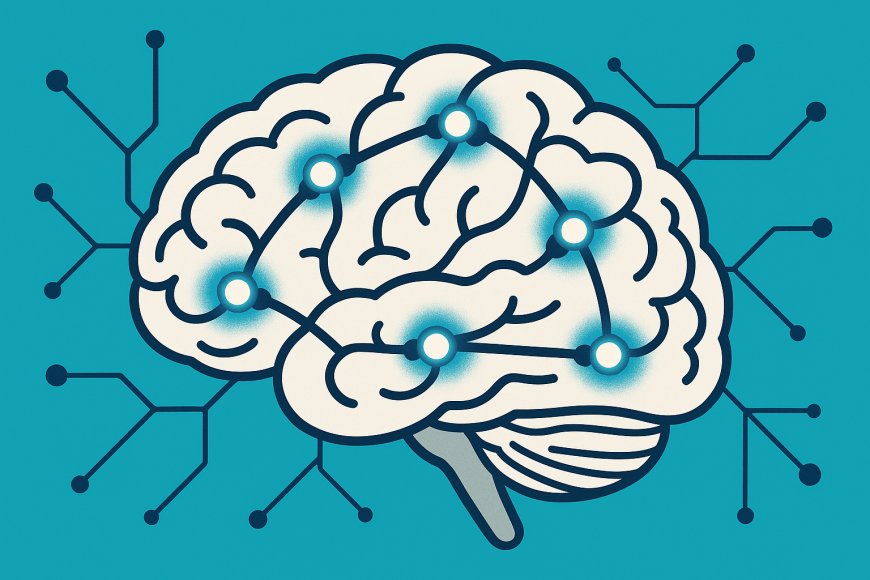
In the human brain, the capacity to acquire new skills is underpinned by a remarkable phenomenon known as synaptic plasticity. This adaptability of synaptic connections allows the brain to remodel itself in response to learning, forming the basis of skill acquisition. In a typical behavioral experiment, subjects are trained to perform a novel task while neuroscientists observe changes in neuronal activation patterns. These observations reveal that synaptic efficacy is not static but rather dynamically adjusts to encode new information.


Synaptic plasticity involves both long-term potentiation (LTP) and long-term depression (LTD). These processes respectively enhance or reduce synaptic strength, facilitating the encoding and retention of skills. Consider a scenario where a pianist learns a complex piece. The practice leads to repeated activation of certain neural circuits, resulting in LTP at synapses associated with motor control and auditory processing. Over time, these strengthened connections enable the pianist to perform effortlessly.
Neurotransmitter Systems and Skill Encoding
The role of neurotransmitters in synaptic plasticity is pivotal. In experimental settings, researchers manipulate neurotransmitter levels to observe their impact on skill acquisition. For instance, dopamine is found to modulate synaptic changes, acting as a critical signal for reinforcing successful actions. In a study involving motor learning, subjects who received a dopamine agonist demonstrated enhanced acquisition of fine motor skills compared to the control group.
Moreover, the balance between excitatory and inhibitory neurotransmitters determines the plasticity potential of synapses. Glutamate, an excitatory neurotransmitter, facilitates LTP, whereas gamma-Aminobutyric acid (GABA) acts to stabilize neural circuits and prevent excessive excitation. In a cognitive training environment, adjusting the levels of these neurotransmitters can optimize learning efficiency and skill retention.
Exploring the interplay of these chemical signals provides insights into the molecular foundations of learning. It also opens avenues for pharmacological interventions aimed at enhancing cognitive abilities or rehabilitating impaired functions.
Remodeling Neural Circuits
Synaptic plasticity not only strengthens individual synapses but also orchestrates the remodeling of entire neural networks. During skill learning, specific circuits undergo structural changes, including the formation of new synapses and the pruning of redundant connections. In a typical study employing functional MRI, subjects engaged in a learning task exhibit increased connectivity within relevant brain areas, reflecting the ongoing circuit reorganization.
These alterations are not purely structural but also functional. As neural circuits become more efficient, they require less effort to perform the learned task. For example, in language learning, initial stages involve widespread cortical activation, but as proficiency develops, activity becomes more localized, indicating refined processing pathways.
This neural optimization has profound implications for educational strategies. By understanding how circuits evolve during skill acquisition, educators can better tailor teaching methods to align with the brain’s natural learning mechanisms.
Implications for Technology and Rehabilitation
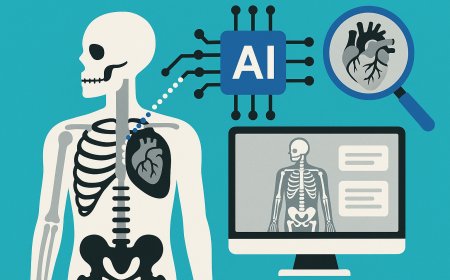
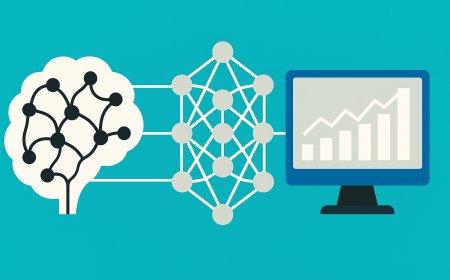
The principles of synaptic plasticity extend beyond biological learning to inform technological advancements. Artificial intelligence (AI) models, inspired by neural adaptation, are being developed to mimic human-like learning processes. These models utilize computational analogs of synaptic changes to improve machine learning algorithms, enhancing their capacity to adapt and generalize from new data.
In rehabilitation, insights into synaptic plasticity are being leveraged to design interventions that facilitate recovery from neurological damage. Techniques like transcranial magnetic stimulation (TMS) aim to modulate synaptic strength, promoting the re-establishment of functional connections post-injury.
Furthermore, personalized training programs that harness knowledge of neural plasticity offer a promising avenue for individuals with learning disabilities, enabling targeted skill enhancement.
The exploration of synaptic plasticity provides a window into the brain’s adaptive capabilities. As we deepen our understanding of these neural mechanisms, the potential for both educational and technological innovation grows exponentially. Future research promises to further integrate AI with neuroscientific insights, offering unprecedented opportunities for enriching human learning and cognitive development.
What's Your Reaction?