













































































Reconceptualizing Information Authenticity: Challenges and Innovations in Digital Media Verification
The rapid evolution of digital media has introduced both unparalleled access to information and unprecedented challenges in ensuring its authenticity. Traditional verification methods struggle to keep pace with the volume and speed of online content. This article examines the challenges of establishing truth in digital spaces, exploring novel verification techniques and technological innovations that aim to combat misinformation. Through specific examples of digital misinformation campaigns and the use of AI in fact-checking, the text underscores the necessity for new frameworks and methodologies. As digital landscapes continue to expand, the responsibility to innovate and redefine verification processes remains critical to preserving information integrity.

In a world where digital information proliferates at an astonishing rate, the concept of authenticity has become both critical and elusive. Consider a typical evening scrolling through social media feeds, where an average user encounters hundreds of news snippets, opinions, and data points. Amidst this massive influx, the accuracy and authenticity of information are routinely questioned. The challenge lies not just in consuming information, but in discerning its truthfulness in an environment where misinformation can spread virally within minutes.


Traditional verification methods, once reliable in slower-paced media environments, now struggle to maintain efficacy. The sheer volume of digital content necessitates new mechanisms capable of parsing vast amounts of data with speed and precision. The stakes are high, as misinformation can sway public opinion, impact elections, and influence policy decisions. The digital media landscape demands not just faster verification, but innovative techniques that can adapt to the ever-evolving nature of information dissemination.
Challenges in Verifying Digital Information
In a typical observational study of misinformation spread, researchers may track the trajectory of a false news story. They find that within hours, it circulates through numerous online networks, amplified by algorithms that prioritize engagement over accuracy. This rapid dissemination underscores a significant challenge: the speed at which false information travels far outpaces traditional methods of verification. The delay in addressing misinformation can lead to widespread belief in falsehoods, which, once entrenched, are remarkably resistant to correction.
Furthermore, the sheer diversity of digital platforms complicates verification efforts. From social media sites to private messaging apps, each platform presents unique hurdles. For instance, end-to-end encryption in messaging apps poses significant barriers to monitoring and fact-checking, while the decentralized nature of the internet allows misinformation to resurface continually, even after being debunked on mainstream platforms.
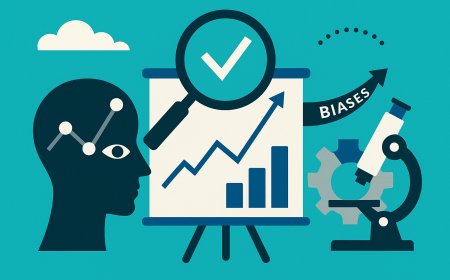
Compounding these challenges is the psychological aspect of misinformation. Cognitive biases, such as confirmation bias, lead individuals to favor information that aligns with their existing beliefs, irrespective of its factual accuracy. This predisposition complicates efforts to correct misinformation as individuals may dismiss corrective information if it contradicts their worldview. This phenomenon necessitates a deeper understanding of human cognition in developing effective verification and correction methods.
Innovative Approaches to Digital Verification
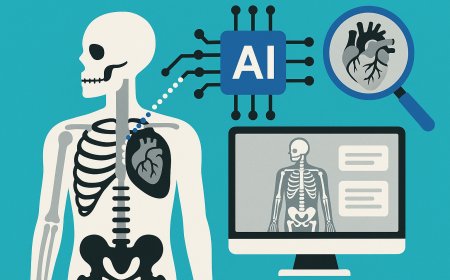
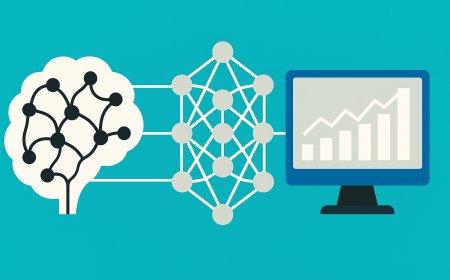
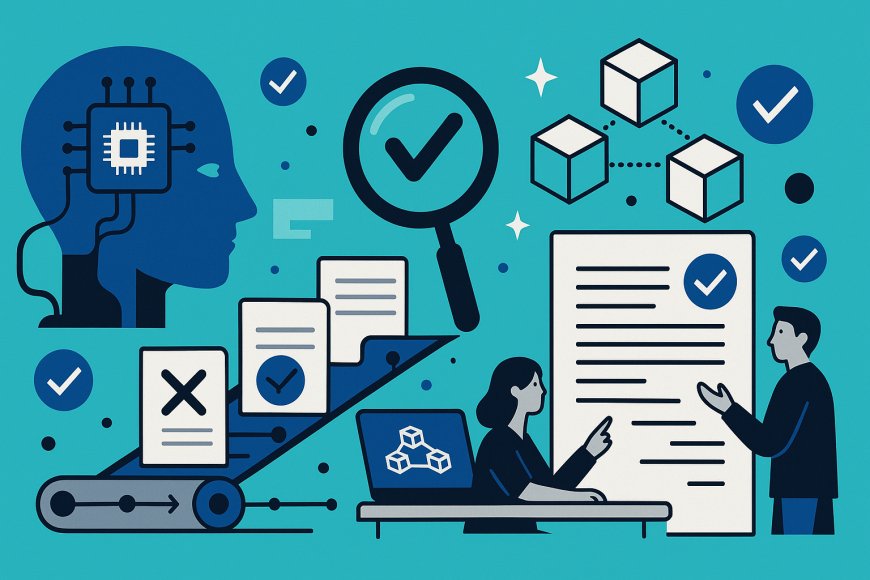
To address the burgeoning challenge of digital misinformation, researchers and technologists are exploring a myriad of innovative approaches. Consider a behavioral experiment where AI-driven fact-checking systems analyze news articles in real-time, cross-referencing them with verified databases to ascertain accuracy before publication. These systems, leveraging machine learning, adapt to new information patterns, improving their ability to detect subtle inaccuracies in emerging news.
Blockchain technology presents another promising tool in the quest for authentic information. By decentralizing data storage and utilizing immutable ledgers, blockchain can offer transparency and traceability in information dissemination. This can ensure that once information is verified, its authenticity is preserved across digital platforms, preventing tampering and unauthorized alterations.
Moreover, collaborative fact-checking platforms are emerging, harnessing the power of citizen journalism and collective intelligence. These platforms facilitate real-time verification by allowing users to contribute evidence and context to news stories, creating a more comprehensive view of their authenticity. This crowdsourced approach, while not without challenges, leverages diverse perspectives and can enhance the accuracy and reliability of digital information.
The Role of Policy and Education in Managing Misinformation
Policy reform is integral to tackling digital misinformation. Governments and regulatory bodies are increasingly recognizing the need for legislation that holds platforms accountable for the spread of false information. However, such measures must be balanced against concerns for freedom of speech and privacy, presenting a complex policy landscape that requires nuanced solutions.
Educational initiatives also play a pivotal role in combating misinformation. Digital literacy programs aimed at enhancing critical thinking skills can empower individuals to better navigate the digital information ecosystem. By fostering an understanding of how information is created, shared, and manipulated, these programs can mitigate the impact of misinformation on public discourse.
The synergy between technological innovation, policy reform, and education is crucial for developing a robust framework to verify digital information. As digital landscapes continue to evolve, maintaining information integrity is an ongoing challenge that demands continual adaptation and creative solutions.
Looking ahead, the dynamic nature of digital media necessitates a proactive approach to verification. By combining technological advancements with policy frameworks and educational efforts, society can work toward a future where authenticity in digital information is not merely an aspiration but a standard. Embracing the complexity of this challenge will be key in preserving the integrity of information in an increasingly connected world.
What's Your Reaction?