























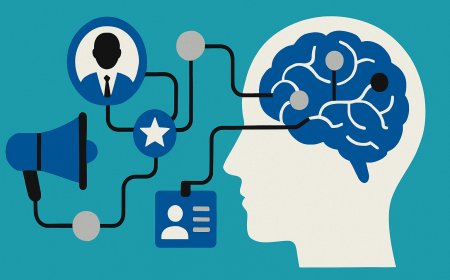



























































Neuroeconomics and Consumer Behavior: Bridging Brain Science and Market Dynamics
Neuroeconomics offers profound insights into consumer behavior by analyzing how brain activity influences decision-making in markets. This interdisciplinary approach utilizes advanced imaging techniques to unravel the subconscious mechanisms that drive purchasing choices. By exploring neural responses and cognitive biases, marketers can better predict and influence consumer behavior. This integration of neurological insights into economic models provides a nuanced understanding of consumer preferences and market dynamics. As technology advances, the potential applications of neuroeconomics in shaping marketing strategies and enhancing consumer engagement continue to expand, promising a future where personalized marketing is finely tuned to individual cognitive patterns.


Imagine a retail environment where decisions are not only influenced by traditional economic factors but are deeply entwined with neural activity. Neuroeconomics, an emergent field at the confluence of neuroscience, psychology, and economics, provides a fresh lens to comprehend consumer behavior. Traditional economics has long relied on the assumption that consumers make rational decisions, optimizing for value and utility. However, the realization that the human brain operates with underlying biases, both conscious and subconscious, challenges this notion.


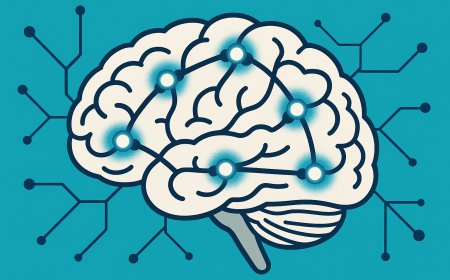
In a theoretical framework, consider a scenario where consumers are exposed to two identical brands of a product. Despite the sameness, their brains may react differently. Utilizing functional Magnetic Resonance Imaging (fMRI), researchers can observe brain regions that activate during decision-making. The prefrontal cortex, known for rational analysis, may be less active than the amygdala, which governs emotions. This suggests that emotional responses, rather than logical reasoning, significantly influence purchasing decisions. Thus, understanding these neural dynamics offers a more intricate perspective on how consumers perceive value.
Decoding Cognitive Biases in Consumer Decisions
The concept of cognitive biases sheds light on the irrationality inherent in consumer decisions. Experiments demonstrate how biases like anchoring and loss aversion are hardwired into our neural circuitry. For instance, in an experimental setting where subjects had to choose between products with different price anchors, fMRI scans revealed heightened activity in the striatum, associated with reward processing, when consumers perceived a price as a 'good deal'. This indicates that perception of value is often skewed by prior information.
Similarly, the phenomenon of loss aversion—where the pain of losing is felt more intensely than the pleasure of gaining—has been illustrated in neural studies. Participants in an experiment were provided with a choice between a guaranteed monetary reward or a risky gamble. Neuroimaging showed that the prospect of loss triggered significant activity in the insula, a region linked to risk and aversion, guiding them away from the gamble despite potential high rewards. These insights into how cognitive biases manifest neurologically are crucial for marketers seeking to tailor strategies that align with psychological predispositions.
Neural Correlates of Brand Loyalty
Brand loyalty, a pivotal concept in marketing, is increasingly understood through the lens of neuroeconomics. Loyalty doesn't merely stem from satisfaction with a product but deeply involves the brain's reward systems. Consider an observational study where loyal participants react to their preferred brands versus unfamiliar ones. Brain scans reveal that familiar brands activate the nucleus accumbens, a core component of the brain's reward circuit, more intensely than unfamiliar brands.
This neurological response suggests that brand loyalty is akin to an ingrained habit, where the brain anticipates a reward upon brand recognition, much like expectations of pleasure from tasting a favorite food. By leveraging this understanding, companies can craft loyalty programs that stimulate these reward pathways, reinforcing brand allegiance.
Additionally, the role of memory in brand loyalty cannot be overlooked. The hippocampus, responsible for forming memories, shows increased activity when participants are exposed to consistent brand messaging. This highlights the importance of consistent marketing communications in embedding brand narratives into consumer memory, further cementing loyalty.
The Future of Neuroeconomic Insights in Marketing
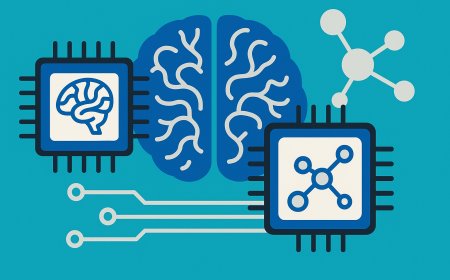
The integration of neuroeconomic insights into marketing strategies is not without its challenges but promises revolutionary applications. As technology advances, tools like portable neural imaging and real-time brain activity tracking may become commonplace in market research, enabling a direct understanding of consumer reactions in situ.
The future holds potential for even more personalized marketing, tailored to individual cognitive patterns. By aligning marketing messages with the unique neural profiles of consumer segments, businesses can enhance engagement and brand affinity. This not only augments consumer satisfaction but also drives economic efficiency by reducing mismatches between consumer needs and product offerings.
As these techniques become more refined and ethically grounded, neuroeconomics may redefine market dynamics, offering a more profound understanding of the human brain's role in economic behavior. The journey into the subconscious mind is just beginning, promising a future where consumer insights are as precise as they are profound.
What's Your Reaction?