Rethinking Sales Paradigms: The Scientific Inquiry into Consumer Decision-Making
This article examines the scientific basis of consumer decision-making, challenging traditional sales paradigms by integrating insights from neuroscience and behavioral science. It explores how subconscious processes and cognitive biases shape purchasing behaviors.

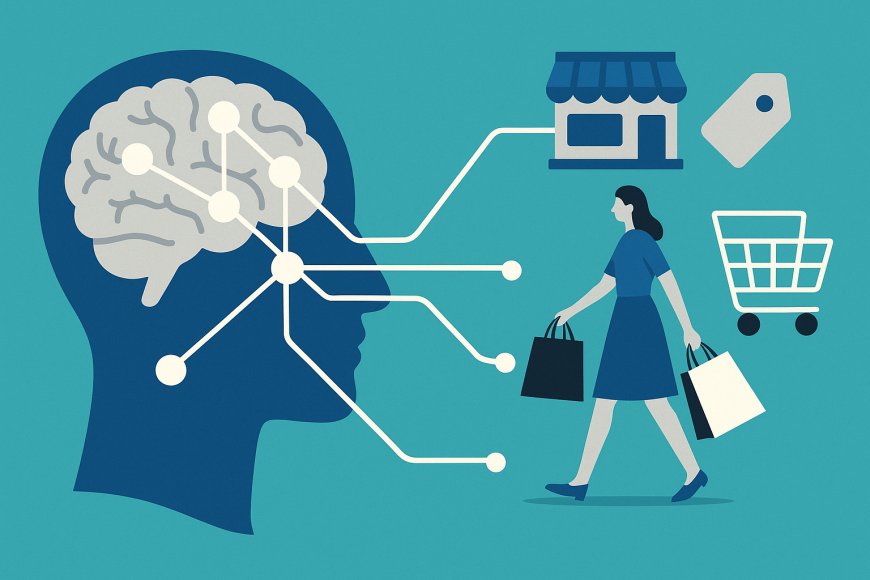
In the realm of sales, conventional wisdom suggests that the consumer is a rational decision-maker, meticulously weighing options based on price, quality, and brand loyalty. However, recent advances in neuroscience and behavioral sciences challenge this notion, revealing a more intricate and less predictable picture of consumer behavior. An unexpected discovery from a neuroimaging study illustrates this complexity. Shoppers were observed in a simulated retail environment, and the brain’s decision-making centers showed significant activation even when the consumer was not consciously deliberating between product options. This paradoxical finding invites a reevaluation of long-standing sales assumptions and strategies.


Subconscious Processes: Unseen Forces in Buying
Consumer decision-making is profoundly influenced by subconscious processes that traditional sales paradigms often overlook. In a behavioral experiment involving supermarket layouts, researchers observed that the spatial arrangement of products can trigger subconscious associations affecting purchasing decisions. Participants showed a higher likelihood of choosing products placed at eye level, bypassing cheaper alternatives on lower shelves. Contrary to the belief in conscious deliberation, this suggests a pre-programmed bias towards convenience and visibility.
Further insights arise from the study of neural priming, where exposure to certain stimuli subconsciously affects subsequent decisions. A typical observational study involved priming participants with images of luxury and scarcity before shopping tasks. The results demonstrated a clear tilt towards premium brands even among participants with initial preference for budget products. Such findings indicate that sales strategies must account for these subconscious influencers rather than solely relying on overt marketing messages.
Moreover, the role of emotion in decision-making underscores an often underappreciated facet of consumer behavior. Neuroscientific research corroborates that emotional responses can precede and even override logical analysis. During a controlled shopping experiment, participants' emotional arousal was measured through galvanic skin responses as they encountered varying product types. Emotional triggers, particularly those that resonate with personal memories or values, consistently led to increased purchasing likelihood, even when not aligned with rational criteria.
The Cognitive Biases Reshaping Consumer Choices
Cognitive biases present formidable challenges to conventional sales methodologies. The anchoring effect, a cognitive quirk where initial exposure to a number or concept unduly influences subsequent judgments, plays a critical role in pricing strategies. In a field study, consumers exposed to a premium item before encountering similar products consistently estimated the latter's value higher than their actual worth. This suggests that initial perceptions can skew entire shopping experiences, a principle that can be strategically harnessed in pricing models.
Loss aversion, another potent bias, suggests consumers disproportionately fear losses compared to equivalent gains. An experimental sales setup tested this by framing discounts as avoiding a price increase rather than as savings. The outcome was a significant uptick in purchases, illustrating the profound impact of framing effects on consumer choices. This underscores the necessity for sales strategies to consider the psychological framing of offers.
Sunk cost fallacy further complicates the landscape, where prior investments irrationally influence ongoing decisions. In a digital sales context, customers were more likely to purchase additional features for software they previously invested in, even when not cost-effective. This bias emphasizes the tendency to justify past decisions with continued investment, a psychological factor that marketers can tactfully integrate into their strategies.
Neuroscientific Insights into Consumer Preferences
Neuroscience provides valuable insights into consumer preferences, often revealing the subconscious drivers behind overt behavior. Functional MRI studies show that reward centers in the brain activate not only in response to tangible benefits but also to perceived social status or exclusivity associated with certain products. An investigation into high-end fashion purchases demonstrated that perceived social elevation provoked greater neural activation than actual monetary savings, highlighting the importance of social context in consumer behavior.
Mirror neuron research, too, offers intriguing implications. Observing others engage with a product can trigger similar neural activations as if the observer themselves were using it. In a virtual shopping scenario, participants were more inclined to choose products they saw others enjoying, emphasizing the influence of social proof and peer endorsement in decision-making. This insight encourages marketers to design campaigns that leverage social validation.
Furthermore, the role of anticipation and reward prediction error—neural responses to expectation versus outcome—provides marketers with a nuanced understanding of consumer satisfaction. Experiments involving dynamic pricing models reveal that when consumers' expectations are exceeded, a surge in reward activation occurs, fostering brand loyalty and repeat purchases. This phenomenon suggests that crafting consumer experiences that exceed expectations may yield substantial long-term gains.
As we stand on the brink of another marketing evolution, these insights present an opportunity for a more nuanced understanding of consumer behavior. Future sales strategies must transcend traditional paradigms, integrating these complex psychological and neuroscientific factors. Embracing this approach may not only refine marketing effectiveness but also enhance consumer satisfaction, fostering a more symbiotic relationship between businesses and their clientele.
What's Your Reaction?