Neural Oscillations and the Architecture of Human Cognition
Neural oscillations, rhythmic patterns of neuronal activity, play a pivotal role in shaping human cognition. Recent studies delve into the multifaceted impact of these oscillations on cognitive processes like attention, learning, and memory. By investigating the temporal dynamics of these oscillatory rhythms, scientists can understand how discrete brain regions synchronize during complex cognitive tasks. Such insights promise advancements in neurotherapeutic applications, offering potential breakthroughs in treating cognitive disorders. As the field evolves, the future lies in unraveling how these neuronal rhythms integrate with broader neural networks to enhance human cognition.

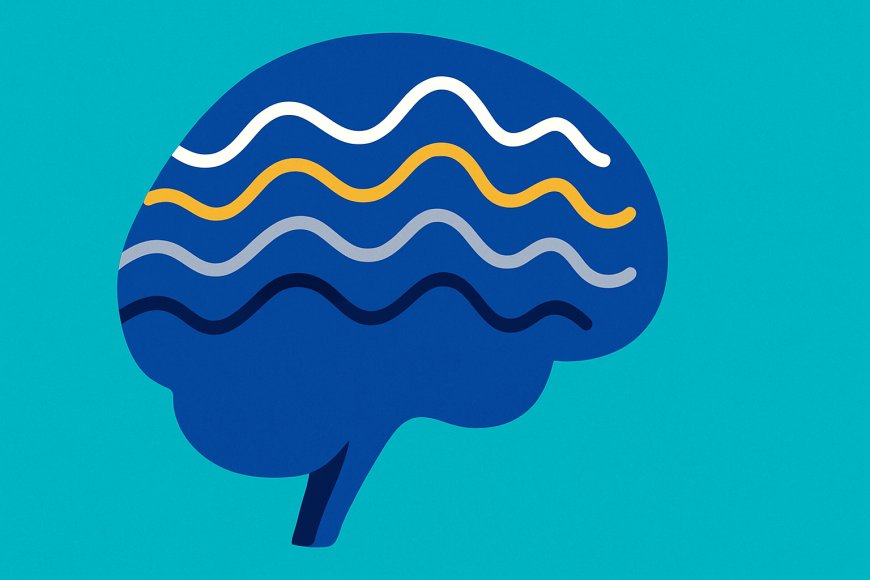
Neural oscillations, also known as brain waves, are rhythmic patterns of electrical activity generated by neurons in the brain. These oscillations are crucial in coordinating the timing and synchronization of neural networks, which underpins cognitive functions such as attention, memory, and learning. Brain oscillations have frequencies ranging from slow delta waves to fast gamma waves, each associated with different cognitive states and processes.


In an experimental setup at a leading cognitive neuroscience research center, participants were engaged in a task requiring intense concentration and rapid decision-making. Electroencephalography (EEG) recordings revealed a surge of theta oscillations in the frontal cortex, correlated with enhanced attentional focus. This highlights the role of theta waves in modulating attention by synchronizing neural circuits across brain regions, thereby facilitating cognitive control.
The Temporal Dynamics of Brain Oscillations
The temporal dynamics of neural oscillations are indicative of how neuronal elements communicate and process information. Consider a study where subjects performed memory recall tasks while their brain activity was monitored. Researchers observed that specific oscillatory patterns, such as the phase coupling between theta and gamma waves, were critical for successful memory retrieval. This phase coupling suggests a mechanism where theta waves act as a temporal binder, organizing gamma oscillations that encode specific memory content.
In another scenario, a behavioral experiment assessed learning in subjects through a sequence of visual stimuli. The synchronization of alpha oscillations was found to predict learning efficiency. Alpha waves are often associated with cognitive inhibition and attentional filtering, allowing the brain to distinguish relevant from irrelevant information. By enhancing alpha synchrony, the brain optimizes its processing capacity, reflecting the profound impact of oscillatory dynamics on learning.
Furthermore, a neuroimaging study demonstrated that during tasks demanding high cognitive load, beta oscillations in the parietal cortex increased, aligning with the brain's effort to integrate sensory information. This beta activity signifies the brain's ability to maintain a stable cognitive state while processing complex inputs, underscoring the essential role of beta rhythms in cognitive stability.
Synchronizing Discrete Brain Regions
The synchronization of neural oscillations across different brain regions is central to cognitive integration. A typical observational study involved functional MRI (fMRI) combined with EEG to capture the intricate dance of neuronal oscillations and regional brain activity. The results showed that during tasks requiring spatial attention, alpha oscillations in the visual cortex synchronized with beta waves in the frontal regions, facilitating the integration of visual and executive functions.
This cross-regional coupling exemplifies how oscillations serve as a communication scaffold, connecting disparate neural circuits. By adjusting the phase and frequency of oscillations, the brain achieves a state of connectivity that enables the seamless execution of complex cognitive tasks. Such findings are pivotal in understanding disorders like schizophrenia, where disrupted oscillatory synchronization leads to cognitive fragmentation.
Another groundbreaking study employed intracranial recordings in patients with epilepsy to explore oscillatory behavior during cognitive tasks. It was found that gamma oscillations synchronized between the hippocampus and prefrontal cortex during working memory tasks, elucidating the role of gamma waves in supporting short-term memory by bridging regions involved in memory encoding and retrieval.
Implications for Neurotherapeutic Interventions
The understanding of neural oscillations extends beyond theoretical insights into practical applications. In clinical trials aimed at treating neurocognitive disorders such as Alzheimer's, non-invasive brain stimulation techniques are being developed to modulate oscillatory activity. By targeting specific frequency bands, these interventions aim to restore normal oscillatory patterns, thereby improving cognitive function.
Transcranial magnetic stimulation (TMS), for example, is used to enhance gamma oscillations in patients with cognitive deficits. Early results indicate improvements in cognitive performance, highlighting the potential of rhythm-based therapies in clinical settings. This represents a paradigm shift in neurotherapy, moving from pharmacological solutions to targeted neural modulation.
As research progresses, the exploration of neural oscillations in cognitive neuroscience holds promise for unraveling the complexities of brain function. Understanding the orchestration of neuronal rhythms opens new avenues for enhancing cognitive abilities and developing novel therapeutic strategies. This convergence of neuroscience and technology could lead to profound advancements in human cognition and mental health.
Future research endeavors will likely focus on how these oscillations interact with broader neural networks, providing a more comprehensive understanding of their role in cognitive architecture. The potential to manipulate these rhythms for therapeutic benefit heralds a new era in cognitive neuroscience, where the mysteries of the brain's rhythmic symphony are progressively unveiled.
What's Your Reaction?