
















































































Emergent Patterns in Cellular Communication: Insights from Systems Biology
Systems Biology reveals the intricate patterns of cellular communication as more than a sum of parts. By examining emergent properties in complex biological networks, researchers can uncover novel insights into cellular functions and interdependencies, informing potential therapeutic pathways.

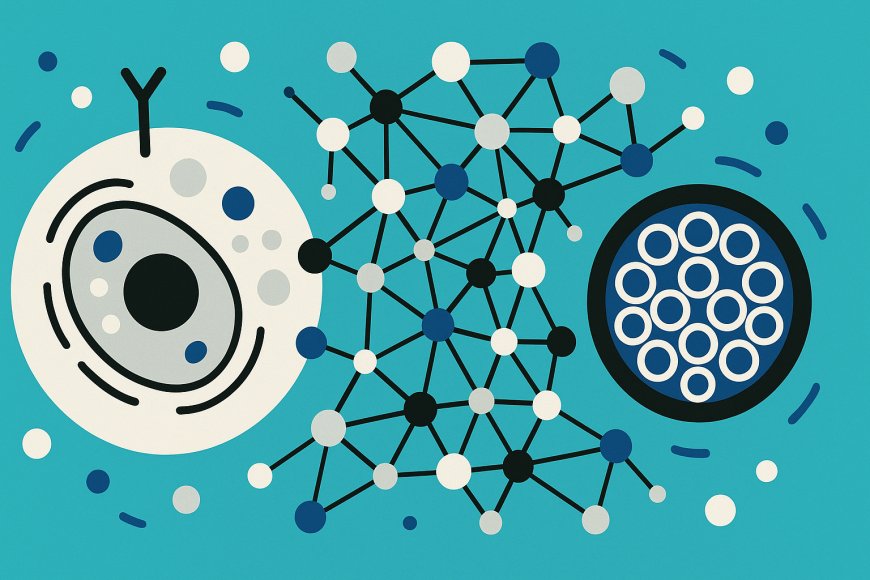
In a Petri dish, an unseen dialogue unfolds among cells, where each unit, though independent, partakes in an intricate dance of signals and responses. Systems Biology, a field thriving on the complexity of biological networks, offers profound insights into these emergent communication patterns. This discipline transcends the traditional reductionist approach, seeking to understand life not merely as a collection of parts but as an integrated whole where interactions define functionality.


Consider a typical experimental setup where a cluster of cancer cells is exposed to a novel therapeutic agent. The aim isn't merely to observe cell death or survival but to map the intricate signaling cascades that lead to these outcomes. Here, Systems Biology provides a framework for analyzing the emergent properties resulting from the interaction of numerous cellular components, revealing the underlying mechanisms of resistance or susceptibility to treatment.
Modeling Interactions in Biological Networks
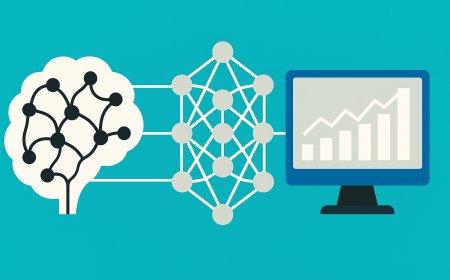
At the heart of Systems Biology lies the ability to model interactions in complex biological networks. These models serve as virtual laboratories, enabling researchers to simulate cellular responses to various stimuli without the confounding variables present in vivo experiments. By incorporating elements such as gene regulation, protein interactions, and metabolic pathways, these models offer a holistic view of cellular behavior.
In one scenario, researchers might employ computational models to simulate the effect of a specific genetic mutation on a metabolic network. These simulations can predict how alterations in gene expression impact metabolite levels, offering insights that guide experimental validation. Such models are pivotal in understanding metabolic disorders where subtle changes can lead to significant phenotypic consequences.
Moreover, these models facilitate the identification of critical nodes within the network, which, if targeted, could alter the system's overall behavior. This approach is particularly useful in identifying potential drug targets for diseases where traditional methods have failed to yield effective therapies.
Emergent Behaviors and Their Biological Implications
The concept of emergence in Systems Biology refers to properties or behaviors that arise from collective interactions within biological systems, which are not predictable from individual components alone. This phenomenon is evident in cellular communication networks where the emergent behavior is greater than the sum of its parts.
In microbial communities, for example, quorum sensing exemplifies emergent behavior. Here, individual bacteria can detect population density through signaling molecules, coordinating group activities such as biofilm formation or virulence factor production. Systems Biology models these processes, allowing researchers to predict community responses to environmental changes or pharmaceutical interventions.
Understanding emergent behaviors is crucial for developing strategies to manipulate biological systems. In agricultural biotechnology, for instance, harnessing beneficial microbial interactions can lead to sustainable pest and disease management practices.
Applications in Therapeutic Development
Systems Biology is instrumental in advancing therapeutic development, particularly in personalized medicine. By integrating omics data—genomics, transcriptomics, proteomics—scientists construct a comprehensive phenotype map for individual patients, facilitating tailored treatment strategies.
Consider a case where an individual's genetic profile suggests a predisposition to a specific type of cancer. Systems Biology models can simulate how this genetic makeup interacts with potential drugs, predicting efficacy and adverse effects. This individualized approach increases the likelihood of successful outcomes, minimizing trial and error in drug administration.
Furthermore, Systems Biology enables the identification of biomarkers that indicate disease progression or therapeutic response, offering a dynamic tool for monitoring treatment efficacy. This capability is pivotal in diseases like cancer, where timely detection of resistance mechanisms can inform adjustments in therapeutic regimens, enhancing patient outcomes.
The future of Systems Biology lies in its ability to unravel the complexities of biological networks, transforming our understanding of life's intricacies. As computational power grows and data integration improves, this field will continue to offer novel insights into cellular communication, ultimately informing groundbreaking therapeutic approaches and redefining our approach to biological research.
What's Your Reaction?