



















































































Deciphering Methodological Bias in Cognitive Neuroscience: Rethinking Assumptions and Approaches
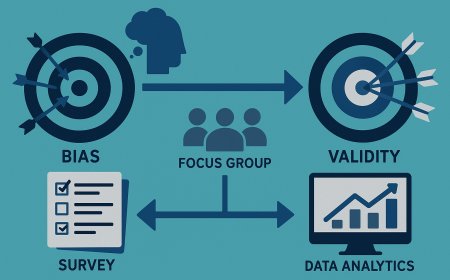
The field of cognitive neuroscience, while expansive, is not without its methodological biases, leading to a skewed understanding of neural processes. This article explores how inherent biases in research design, data interpretation, and cultural perspectives impact the validity of findings. Using specific case studies, we analyze how assumptions shape experimental outcomes and propose innovative approaches to mitigate these biases. From reconsidering the selection of representative populations to redefining control groups, this piece challenges existing frameworks and offers a path toward more robust and culturally sensitive methodologies. The future of cognitive neuroscience lies in embracing diverse perspectives and continuously questioning entrenched biases, thus ensuring a more accurate understanding of the human brain.

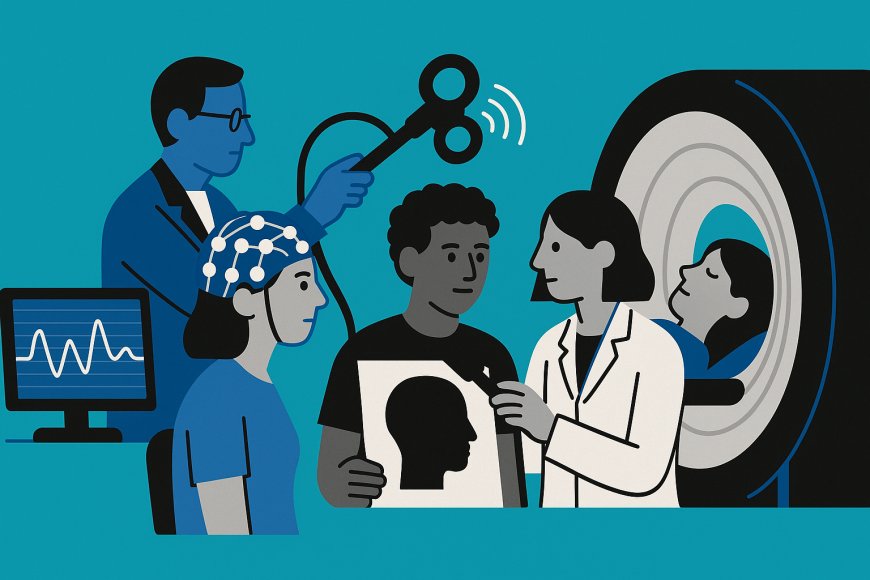
In the arena of cognitive neuroscience, research often starts with questions as complex as the brain itself. Yet, beneath the surface of scientific inquiry lies a persistent undercurrent of bias that shapes not just the direction but the very nature of findings. Consider an influential study attempting to map the neural correlates of empathy. Researchers utilized functional magnetic resonance imaging (fMRI) to observe brain activity in response to emotionally charged stimuli. Despite the sophisticated technology, the study's outcomes were profoundly affected by the demographic homogeneity of its participants. Predominantly Western and educated, this sample inadvertently echoed a narrow cultural lens, masking the neural diversity that might emerge from a broader participant base.


Methodological bias in cognitive neuroscience can skew interpretations and findings, leading to a distorted understanding of brain functions. At the heart of this issue is the tendency to align experimental designs and hypotheses with pre-existing theoretical frameworks, often rooted in culturally specific assumptions. This is nowhere more evident than in cross-cultural studies, where researchers might uncritically apply Western cognitive models without considering cultural variance in neural processing.
Bias in Experimental Design
The design of an experiment forms the bedrock of its scientific validity. Yet, it is also where bias subtly infiltrates. In cognitive neuroscience, the over-reliance on control groups that reflect the majority culture can lead to a systematic exclusion of diverse cognitive patterns. For instance, a study investigating the neural basis of decision-making may employ tasks that inherently favor individualistic decision strategies. While this approach might yield valid insights within a specific cultural context, it risks overlooking collective decision-making processes prevalent in other cultures, thereby limiting the generalizability of the findings.
Moreover, the selection of neuroimaging tools often follows established protocols without questioning their applicability across diverse populations. The nuances of language and cultural expressions can affect neural activation patterns, yet standard testing paradigms seldom account for these variations. A study focused on language processing might utilize word tasks designed for an English-speaking audience, inadvertently marginalizing participants from non-Western linguistic backgrounds and skewing the resultant brain activity data.
Altering experimental designs to include a more representative sample and culturally sensitive tasks can address these biases. By incorporating diverse perspectives in the initial hypothesis formation and throughout the methodological process, cognitive neuroscience can better reflect the rich tapestry of human cognition.
Interpreting Data: A Biased Lens
Data interpretation is another stage where bias exerts its influence. Cognitive neuroscience relies heavily on statistical analyses to draw inferences about brain functions. However, these analyses often reflect the biases of the researchers and the prevailing scientific paradigms. In a hypothetical study examining the neural underpinnings of creativity, researchers might prioritize patterns that align with Western notions of creativity, such as originality or innovation, while disregarding alternative expressions of creativity valued in other cultures, such as harmony or continuity.
Consider an experiment where scientists examined the impact of meditation on brain function, using fMRI to measure changes in neural connectivity. The interpretation of results focused predominantly on stress reduction, reflecting a Western conceptualization of meditation. This focus inadvertently overshadowed other potential benefits of meditation practices rooted in Eastern traditions, such as enhanced collective consciousness or spiritual growth. By expanding the interpretative framework to include diverse cultural perspectives, researchers can achieve a more comprehensive understanding of the data.
Data interpretation must also scrutinize the statistical significance thresholds that dominate cognitive neuroscience. These thresholds, derived from conventions rather than universal truths, can misrepresent marginal findings as either significant or negligible. A critical re-evaluation of these metrics can foster a more nuanced analysis, potentially revealing insights otherwise hidden under the veil of statistical dogma.
Towards a More Inclusive Methodology
The path forward in cognitive neuroscience demands an overhaul of entrenched methodological assumptions. This involves adopting a more inclusive approach that integrates underrepresented voices in the scientific community. An anonymized initiative at a major academic institution illustrates this potential. By forming interdisciplinary teams comprising neuroscientists, anthropologists, and cultural experts, the institution redefined its research methodologies. The experimental designs now emphasize cultural diversity in participant selection and task formulation, leading to findings that not only enhance the understanding of neural processes but also acknowledge the cultural dimensions of cognition.
Beyond participant diversity, cognitive neuroscience must also embrace methodological pluralism. This entails employing a variety of research tools and techniques, from advanced neuroimaging to ethnographic studies, thereby enriching the data landscape and enabling a more holistic view of cognitive phenomena. For instance, integrating qualitative approaches can reveal insights into the cultural and contextual factors influencing brain function, insights that purely quantitative methods might miss.
To transcend methodological bias, researchers must engage in continuous reflection and critique of their assumptions, actively seeking to uncover and address potential blind spots. This reflective practice is not merely an academic exercise but a necessary step towards a more accurate and inclusive science. By challenging the status quo, cognitive neuroscience can evolve into a discipline that not only maps the brain but also respects the diverse tapestries of human cognition.
As cognitive neuroscience moves toward a future defined by inclusivity and reflection, the discipline stands to gain a richer, more nuanced understanding of the brain's complexities. By dismantling methodological biases and embracing diversity in research design and interpretation, the field can unlock new insights into the neural mechanisms that underpin human thought and behavior, fostering a deeper connection between science and society.
What's Your Reaction?