




































































Decoding the Creator Economy: Unveiling a New Paradigm in Economic Growth
This article explores the emerging creator economy, focusing on its potential as a transformative force in economic growth. Through real-world scenarios and theoretical insights, it examines how digital platforms enable individual content creators to monetize their work, challenge traditional business models, and offer new opportunities for economic contributions. By analyzing case studies and innovative methodologies, the piece underscores the significance of this economic shift, providing a comprehensive understanding of the creator economy's role in shaping future markets and industries.


In the digital age, the creator economy emerges as a dynamic force in reshaping the contours of economic growth. Consider a scenario where an independent musician bypasses traditional record labels to distribute and monetize their music directly through a platform. This musician, armed with digital tools, reaches a global audience without the constraints of conventional distribution channels. The rise of such individual-led enterprises marks a departure from established business models, offering fresh opportunities for economic contribution and redefining success.


The creator economy encapsulates the wide-ranging economic activities conducted by individuals leveraging digital platforms to produce and distribute content. This phenomenon harnesses the power of technology, empowering creators to bypass traditional gatekeepers and engage directly with consumers. These platforms not only facilitate content dissemination but also provide mechanisms for monetization, thereby converting personal creativity into economic assets. The implications for economic growth are profound, as the creator economy introduces novel revenue streams and fosters a more inclusive market environment.
Empowering Individuals through Digital Platforms
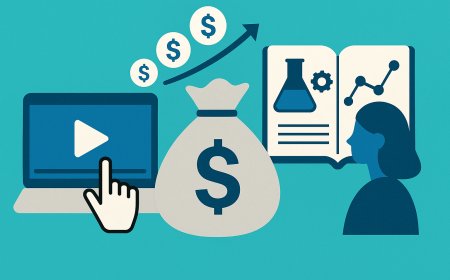
The digital landscape has undergone a metamorphosis, transforming from a passive medium into an interactive powerhouse. In a typical content creation scenario, an artist utilizes social media to build a following, subsequently leveraging this audience to generate income through various means such as sponsorships, subscriptions, and merchandise sales. This direct-to-consumer model circumvents traditional intermediaries, giving creators unprecedented control over their economic fate.
Platforms such as these provide the infrastructure necessary for creators to flourish. They offer analytics, promotional tools, and monetization options, enabling creators to refine their strategies and maximize returns. The autonomy granted by these platforms allows creators to experiment with content, engage with their audience, and adapt to market demands with agility. This shift in power dynamics not only democratizes access but also diversifies the types of content that gain economic traction.
The impact of this empowerment is evidenced in the rapid growth of micro-entrepreneurs within the creator economy. Take the example of a burgeoning influencer, who amasses a following by delivering niche content that resonates with a specific demographic. Through strategic partnerships and direct monetization efforts, this influencer transforms personal passion into sustainable income. The economic viability of such endeavors underscores the potential of the creator economy to drive growth and innovation across industries.
Impact on Traditional Business Models
The creator economy represents a seismic shift in how economic value is generated and perceived. Traditional business models, once reliant on centralized control, are increasingly challenged by decentralized, creator-driven enterprises. In an illustrative example, consider an independent filmmaker who utilizes crowdfunding and online platforms to finance and distribute their work. This approach not only challenges the hegemony of established studios but also redefines the metrics of success in the film industry.
As creators carve out niches based on personal expertise and audience engagement, they introduce competition and innovation into sectors previously dominated by conglomerates. The influx of diverse voices and content types catalyzes new market trends, broadening consumer choice and reshaping industry standards. This disruption inspires traditional entities to reevaluate their strategies, often leading to collaborations or adaptations in order to remain competitive.
Moreover, the creator economy's influence extends beyond individual sectors, with ripple effects on broader economic landscapes. By nurturing a culture of entrepreneurship, it promotes resilience and adaptability, qualities essential in an increasingly volatile global market. The rise of creator-driven enterprises not only stimulates economic diversification but also fosters a more equitable distribution of economic power.
Methodological Innovations and Economic Contributions
In examining the methodological underpinnings of the creator economy, it becomes evident that innovative approaches are central to its success. Consider a digital artist who employs blockchain technology to authenticate and monetize digital artwork. This methodology not only ensures authenticity and provenance but also creates new revenue models through smart contracts and fractional ownership.
Such technological advancements redefine the scope and scale of economic contributions that individuals can make. They enable creators to tap into global markets, transcending geographical and institutional barriers. By leveraging cutting-edge technologies, creators not only expand their economic footprint but also drive technological advancements, contributing to broader economic growth.
The creator economy's methodological innovations also challenge traditional economic metrics. By emphasizing creativity, engagement, and community building, they introduce new dimensions to the evaluation of economic success. This shift encourages a more holistic understanding of economic value, one that accounts for qualitative as well as quantitative contributions.
The creator economy heralds a future where economic growth is not solely dictated by traditional industries but is also shaped by the ingenuity and creativity of individuals. As digital platforms continue to evolve, they will further empower creators, expanding the horizons of economic potential.
Looking forward, the creator economy's trajectory suggests a paradigm where the lines between creator and consumer blur, fostering a dynamic interplay that fuels innovation and growth. In this landscape, economic prosperity is not confined to traditional pathways but is accessible through the limitless possibilities offered by digital creativity. The challenge and opportunity lie in harnessing this potential, ensuring it contributes constructively to the broader economic fabric.
What's Your Reaction?