












































































The Influence of Cognitive Bias in Entertainment Engagement Metrics
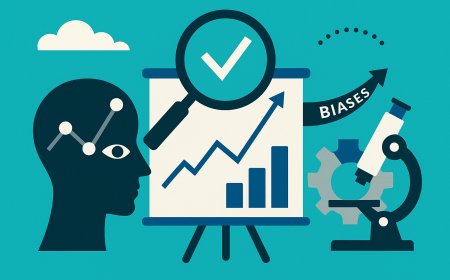
This article delves into the impact of cognitive biases on how audience engagement is measured in entertainment. It examines cognitive phenomena like confirmation bias and the bandwagon effect, and their implications for understanding audience behavior. Through illustrative case studies, it explores how these biases distort media consumption metrics, leading to skewed insights that affect content creation and distribution strategies. The piece concludes by envisioning a future where advanced analytics counteract these biases, refining how entertainment value is assessed and delivered to diverse audiences.

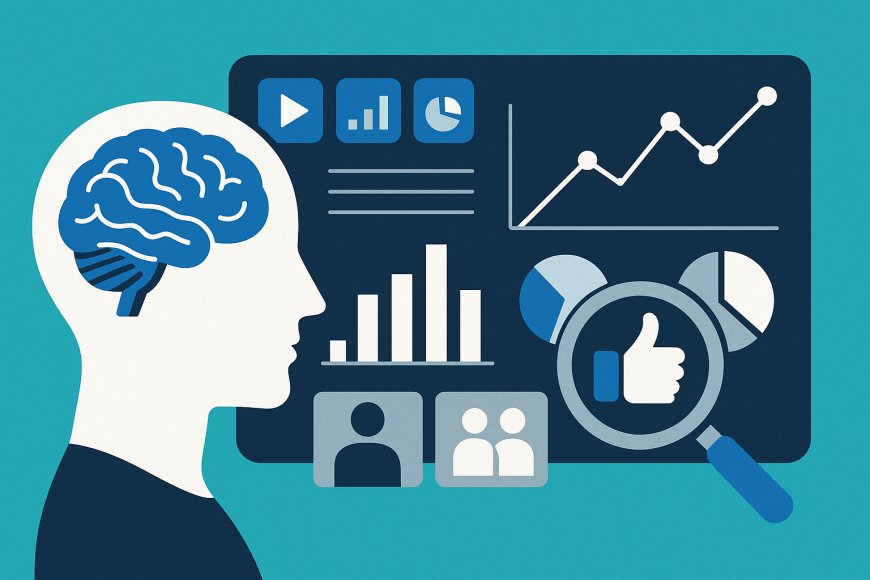
Imagine a film studio relying on traditional engagement metrics to predict the success of a new release. Despite a robust marketing campaign, the film receives lukewarm responses once in theaters. This scenario raises a question: how reliable are these metrics if they are subject to cognitive biases? Cognitive biases skew perceptions and decisions, distorting traditional measures like viewership and rating, which can impact content production and distribution strategies.


In the context of entertainment, cognitive biases can significantly alter audience engagement metrics. Confirmation bias, for example, leads consumers to favor content that aligns with their pre-existing beliefs. This bias can inflate ratings and viewership numbers for certain genres or topics, thereby creating a false sense of popularity. Similarly, the bandwagon effect, where individuals adopt behaviors or beliefs because others do the same, can cause sudden spikes in media consumption that may not reflect genuine interest. These biases contribute to an overestimation of a piece of content's success, misleading creators and distributors.
The Mechanics of Cognitive Bias in Media Consumption
Cognitive biases in entertainment manifest through a variety of mechanisms. Consider a study that explores viewer behavior on streaming platforms. Participants were shown two sets of recommendations: one personalized based on their viewing history, and another curated based on trending titles. Results indicated that participants were more likely to choose trending options, driven by the bandwagon effect, even when these did not align with their usual preferences. This demonstrates how cognitive biases can override personalized algorithms, skewing engagement metrics.
Moreover, the anchoring bias plays a critical role. When audiences are exposed to initial reviews or ratings, these serve as cognitive anchors, influencing subsequent perceptions. In a controlled experiment, two groups were shown identical films. One group received pre-screening reviews emphasizing exceptional quality, while the other received neutral feedback. The former group rated the film higher, illustrating how anchoring bias can inflate perceived value and affect word-of-mouth promotion.
These biases create a ripple effect across the entertainment industry. Skewed metrics can lead to misguided content investments and marketing strategies, as studios and platforms rely on flawed data to gauge audience preferences. This misalignment affects not only economic outcomes but also the cultural landscape by perpetuating content that might only appear popular due to biased perceptions.
Case Studies and Real-World Implications
In a typical observational study examining film industry trends, researchers analyzed the impact of early reviews on box office performance. Films receiving strong early praise often saw disproportionate success, attributable more to cognitive biases like the halo effect than actual quality. This bias, where initial positive impressions overshadow subsequent evaluations, illustrates the fragility of entertainment metrics.
Similarly, consider the viral phenomenon of social media challenges. Despite being driven by a small subset of users, these challenges appear more popular than they are, due to the amplification effect of social networks. This distortion is further exacerbated by selective exposure, where users engage with content that confirms their biases, inflating perceived engagement levels.
These examples underscore the necessity for a more nuanced approach to interpreting engagement data. By acknowledging the influence of cognitive biases, researchers can better assess true audience preferences and improve content strategies. This requires not only advanced analytical tools but also a shift in how success is conceptualized within the industry.
Future Directions and Analytical Innovations
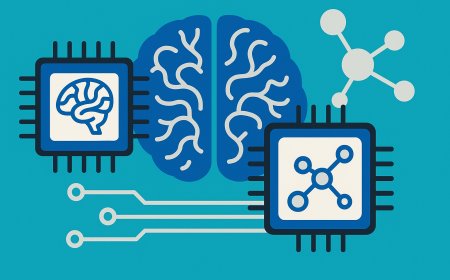
In response to the biases affecting entertainment metrics, data scientists are exploring innovative methodologies to enhance accuracy. Machine learning algorithms that identify and correct for biases are being developed, offering more reliable insights into audience behavior. These tools promise to reframe how success is measured, focusing on genuine engagement rather than inflated metrics.
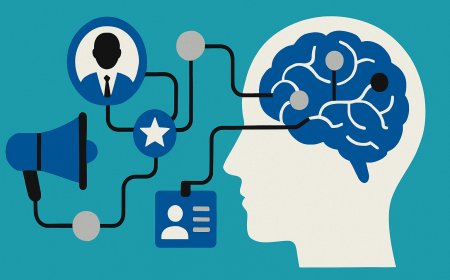
The future of entertainment metrics lies in the integration of psychological insights with data analytics. By understanding cognitive biases, the industry can refine its approach to content creation and distribution. This shift promises greater alignment with audience expectations and cultural trends, fostering more authentic and impactful entertainment experiences.
The path forward involves an interdisciplinary effort, combining cognitive science with advanced analytics to unravel the complex dynamics of audience engagement. As these innovations take hold, the entertainment industry stands on the brink of a transformative shift, where the true value of content can be accurately assessed, delivering richer and more meaningful experiences to audiences worldwide.
What's Your Reaction?