









































































Neuroplasticity and the Adaptive Brain: Exploring the Limits of Cognitive Flexibility
Neuroplasticity, the brain's ability to reorganize itself, underpins cognitive flexibility. This research highlights its profound implications in learning, recovery, and adaptation. Bridging neuroscience and behavioral science, findings illuminate pathways for enhancing cognitive resilience.

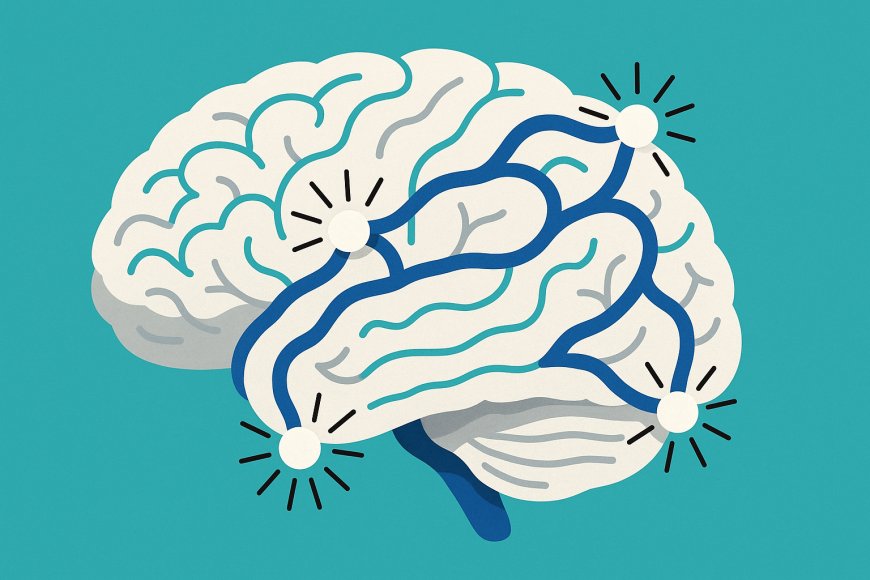
Imagine a brain that can alter its structure and function in response to experiences. This is not a fiction of futuristic science; it is the tangible reality of neuroplasticity. Neuroplasticity allows the brain not just to survive but to thrive amidst the myriad changes that life presents. Its capacity for change provides a foundation for understanding learning, memory, and recovery from injury. The subtlety of these adaptations, though invisible to the naked eye, carries implications that span from education to therapeutic interventions.


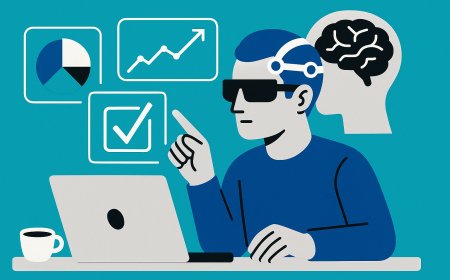
In neuroscience laboratories, researchers have devised intricate experiments to map how neuroplasticity occurs at various life stages. For instance, in a study involving behavioral training exercises, subjects engaged in memory tasks while their brain activities were monitored through advanced imaging techniques. The findings revealed alterations in neural pathways, with some regions showing increased connectivity, suggestive of enhanced cognitive performance. Such observations underscore the brain's remarkable ability to rewire itself, highlighting the dynamic interplay between experience and structural change.
The Mechanisms of Neuroplasticity: A Closer Examination
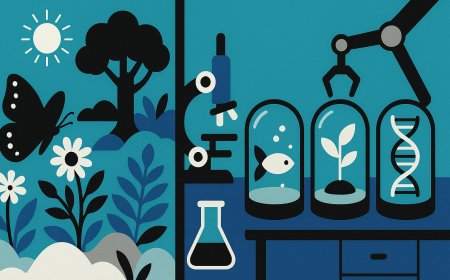
The biological underpinnings of neuroplasticity can be dissected into synaptic plasticity and non-synaptic plasticity. Synaptic plasticity, the more extensively studied mechanism, involves changes at the synapses, where neurons communicate. In a typical experimental setup examining synaptic plasticity, animals are subjected to enriched environments. These environments, replete with stimuli, facilitate the strengthening and formation of new synaptic connections. The synapses adapt by modifying their strength, a process known as long-term potentiation, which is fundamental to learning and memory.
Non-synaptic plasticity, though less understood, involves adjustments in the intrinsic properties of neurons. This form of plasticity is observed in experiments utilizing sensory deprivation. When sensory inputs are reduced, the brain compensates by redistributing its resources, enhancing the remaining senses. Consider the case of visually impaired individuals who often exhibit heightened auditory skills. Studies have shown that their brains undergo structural changes to bolster auditory processing, providing a striking example of non-synaptic plasticity in action.
These mechanisms illuminate the sophisticated ways in which the brain manages cognitive demands. By understanding these processes, we can devise novel strategies to harness neuroplasticity for therapeutic purposes, potentially treating neurological disorders or aiding recovery from brain injuries.
Implications for Learning and Rehabilitation
Neuroplasticity's implications extend beyond the clinical realm into education and personal development. The notion that the brain can be trained to enhance its cognitive capacity is not merely theoretical. Consider a classroom setting where students engage in problem-solving activities. Such tasks, designed to stimulate cognitive engagement, can promote neuroplastic changes, thereby boosting learning outcomes.
In rehabilitation, neuroplasticity offers promising avenues for recovery. After a stroke, for instance, the brain's plastic nature can be harnessed to recover lost abilities. Tailored rehabilitation programs that incorporate repetitive tasks can stimulate neural circuits, fostering recovery. A study involving stroke patients demonstrated that those who underwent targeted physical therapy showed significant improvements in motor function, corroborating the potential of neuroplasticity in rehabilitation.
Beyond recovery, neuroplasticity supports lifelong learning and cognitive flexibility. As individuals age, maintaining cognitive sharpness becomes paramount. Engaging in mentally stimulating activities, such as learning new skills or languages, can induce neuroplastic changes that preserve cognitive function well into old age. This underscores the adaptability of the human brain and its capacity to meet the demands of changing environments and life stages.
The Future of Neuroplastic Research
The quest to decode the intricacies of neuroplasticity is far from over. As neuroscience advances, new methodologies, such as optogenetics and advanced imaging technologies, promise to provide deeper insights into the molecular and cellular mechanisms at play. These technologies enable precise manipulation and observation of neural activity, offering a clearer picture of how plastic changes occur in real-time.
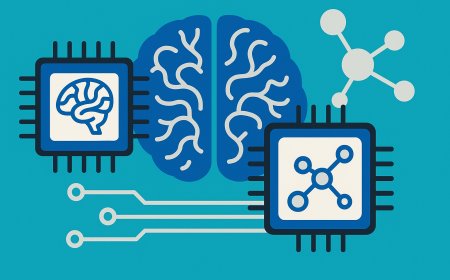
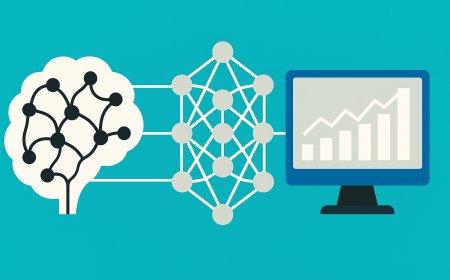
Looking ahead, the integration of artificial intelligence with neuroplastic research holds the potential to revolutionize our understanding. AI algorithms capable of analyzing vast datasets can unveil patterns and predict outcomes that elude traditional methods. This synergy between AI and neuroscience could pave the way for unprecedented advancements in brain health, potentially leading to breakthroughs in treating cognitive disorders and enhancing brain function.
Neuroplasticity, with its profound implications, remains a cornerstone of cognitive neuroscience. As research progresses, the adaptive brain continues to reveal its secrets, offering hope for improved cognitive resilience and recovery. The adaptability of the human mind, shaped by the principles of neuroplasticity, is a testament to nature's ingenuity, urging us to explore its limits and harness its potential for the betterment of humanity.
What's Your Reaction?