



















































































Cognitive Cartography: Mapping the Unseen Frontiers of Human Thought
This article explores the groundbreaking advancements in cognitive science and neuroscience that focus on brain mapping and its potential to unlock the mysteries of human thought and consciousness. These advancements promise a deeper understanding of how neural pathways shape cognitive functions and might offer insights into various aspects of mental health and cognitive disorders. The article discusses the implications of these developments on the broader landscape of human knowledge, proposing a future where the intricacies of thought can be visually represented and understood in unprecedented ways. Through examining the latest methodologies and technologies in brain mapping, this exploration highlights the profound impact such research could have on both scientific inquiry and practical applications in enhancing cognitive faculties and treatments.


The Uncharted Territory of Human Thought
The human brain, a labyrinthine organ of unfathomable complexity, has long eluded complete understanding. For centuries, human thought and consciousness have been subjects of philosophical debate, psychological inquiry, and scientific exploration. In recent years, however, the convergence of cognitive science and neuroscience has heralded a new era of understanding, one in which the intricate pathways of the brain are becoming increasingly visible. This burgeoning field of study, often referred to as cognitive cartography, seeks to map the unseen frontiers of human thought.


Advances in Brain Mapping Technologies
Recent advancements in brain imaging technologies have revolutionized the way scientists study the brain. Techniques such as functional magnetic resonance imaging (fMRI) and positron emission tomography (PET) have enabled researchers to observe the brain in action, providing a dynamic view of neural activity. These technologies have facilitated a more profound understanding of how different areas of the brain are interconnected and how they collaborate to produce the phenomena we collectively refer to as thought.
Moreover, the advent of diffusion tensor imaging (DTI) has been pivotal in visualizing the brain's white matter tracts, the highways along which neural signals travel. This breakthrough allows for a detailed examination of the physical pathways that underlie cognitive processes, offering new insights into how thoughts are formed and manipulated.
Deciphering the Language of Neurons
Alongside developments in imaging techniques, neural decoding has emerged as a critical area of research. By translating neural signals into comprehensible data, scientists are beginning to understand the 'language' of neurons. This involves deciphering the complex patterns of electrical impulses that transmit information throughout the brain. Understanding these patterns not only sheds light on basic cognitive functions but also uncovers the neural underpinnings of complex behaviors and abstract thinking.
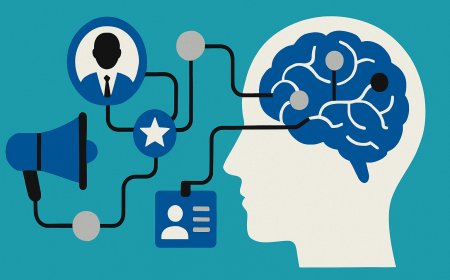
Researchers are now able to create models that predict cognitive states based on neural activity. This capability opens the door to myriad applications, from enhancing learning and memory to developing sophisticated brain-computer interfaces that could one day allow us to communicate directly with machines using thought alone.
The Implications of Cognitive Mapping
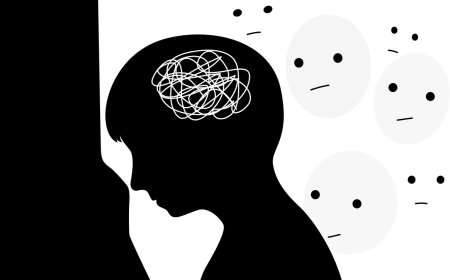
The implications of these advancements extend far beyond the boundaries of scientific inquiry. In the realm of mental health, understanding the neural basis of cognitive processes offers potential pathways for diagnosing and treating mental disorders. By identifying abnormal patterns of neural activity, clinicians might develop targeted interventions that restore normal cognitive function.
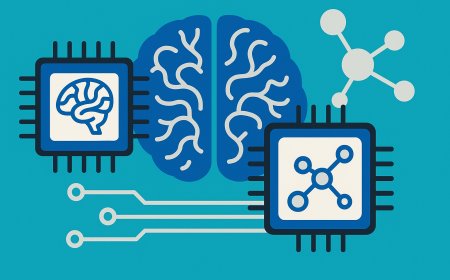
Furthermore, cognitive mapping holds promise in the field of artificial intelligence. By mimicking the brain's architecture and processing capabilities, AI systems could achieve levels of intelligence and adaptability previously thought unattainable. In education, personalized learning experiences could be crafted based on the unique cognitive profiles of individuals, optimizing educational outcomes.
Envisioning the Future
As the field of cognitive cartography continues to evolve, the potential to visualize and understand the intricacies of thought becomes ever more achievable. The ongoing quest to map the brain's labyrinthine corridors promises to expand our understanding of human consciousness and cognition, illuminating the shadowy depths of the mind.
In conclusion, the mapping of human thought represents not just a scientific endeavor but a philosophical one as well. It challenges us to reconsider what it means to be sentient beings, capable of conscious thought and introspection. As we navigate the uncharted waters of cognitive cartography, we stand on the brink of discoveries that may redefine the very nature of human understanding.
What's Your Reaction?