












































































Revolutionizing Scientific Inquiry: The Integration of Machine Learning into Traditional Research Methods
The integration of machine learning into traditional research methodologies represents a paradigm shift in scientific inquiry. Machine learning algorithms offer unprecedented capabilities in data analysis, enabling researchers to uncover patterns and insights previously unattainable. This fusion has profound implications across disciplines, from biology's genomic studies to physics' exploration of cosmic phenomena. By augmenting human intuition with computational power, machine learning not only accelerates discovery but also enhances the precision of scientific analysis. As this synergy evolves, it holds the promise of reshaping theoretical frameworks and fostering a more interconnected understanding of complex systems within the scientific community.


Revolutionizing Scientific Inquiry: The Integration of Machine Learning into Traditional Research Methods
The fusion of machine learning with traditional scientific methodologies heralds a new era of scientific inquiry, forecasting a paradigm shift that profoundly impacts the landscape of research across disciplines. As the digital age matures, the application of machine learning algorithms offers unprecedented capabilities in processing vast and intricate datasets, allowing researchers to discern patterns and insights that were once considered elusive. This convergence holds transformative potential, facilitating the resolution of complex scientific questions with enhanced precision and efficiency.


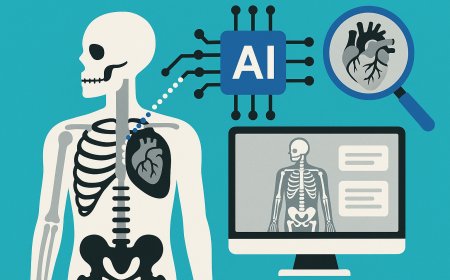
From the halls of biology, where the intricate tapestry of genomics is being unraveled, to the vast expanses of cosmic exploration in physics, machine learning is proving to be an indispensable tool. In genomics, for instance, machine learning algorithms are leveraged to analyze massive sequences of genetic data, enabling the identification of novel genetic markers and the prediction of disease susceptibility with remarkable accuracy. This application exemplifies the profound impact of machine learning, as it not only accelerates the pace of discovery but also expands the frontiers of what is theoretically feasible.
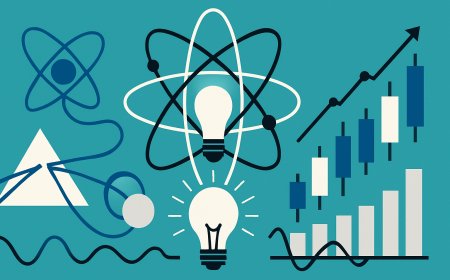
Beyond biological sciences, the realm of physics is also witnessing a methodological metamorphosis. Machine learning is instrumental in refining the simulation of complex physical systems, offering insights into phenomena that span from the quantum world to astronomical observatories. By enhancing model accuracy and predictive capabilities, machine learning assists physicists in unveiling the underlying principles governing the universe, thereby contributing to a more comprehensive theoretical framework.
Moreover, the role of machine learning in interdisciplinary research cannot be overstated. It serves as a bridge, connecting disparate fields through its universal application in data analysis. Environmental scientists, for example, utilize machine learning to model and predict the impacts of climate change, synthesizing historical data with current trends to inform policy with greater precision. Similarly, social scientists employ these algorithms to decipher patterns within human behavior, offering insights into societal trends and aiding in the formulation of more effective public policies.
The synergy between human intuition and computational prowess is at the heart of this revolution. Machine learning augments the traditional scientific method, not merely as a tool for analysis but as an active participant in hypothesis generation and testing. This collaborative dynamic enhances the reliability of conclusions drawn, as computational analyses can be iteratively refined and validated against empirical evidence. The result is an enriched scientific process, where the interplay between human creativity and algorithmic rigor paves the way for groundbreaking discoveries.
As this integration deepens, it raises profound philosophical questions regarding the nature of scientific inquiry itself. The capacity of machine learning to process and analyze data at scales beyond human capability challenges traditional notions of expertise and redefines the role of the scientist. It suggests a shift towards a more collaborative model of knowledge generation, where human and machine work in tandem to unravel the complexities of the natural world.
In conclusion, the integration of machine learning into traditional research methodologies represents not just an enhancement of existing processes but a reimagining of the scientific endeavor. By bridging computational techniques with analytical thought, this synthesis elevates the precision and scope of scientific inquiry, heralding an era of unprecedented discovery and understanding. As machine learning technology continues to evolve, it promises to reshape theoretical frameworks and foster a deeper, more interconnected understanding of the complex systems that underpin our universe. This evolving synergy between man and machine stands poised to redefine the boundaries of scientific potential, charting a course for future generations of inquiry beyond the horizons we once deemed unreachable.
What's Your Reaction?