











































































Reevaluating Work Modulation Through Neuroergonomics
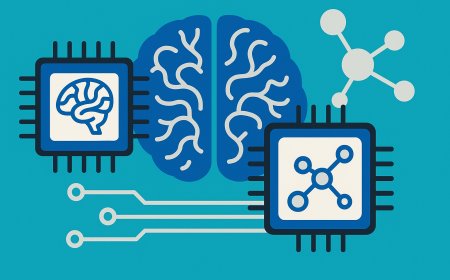
This article examines the integration of neuroergonomics into workplace design, focusing on cognitive load management, adaptive environments, and human-machine interaction. It explores how brain-computer interfaces and cognitive measurement tools can optimize performance and well-being in work settings.

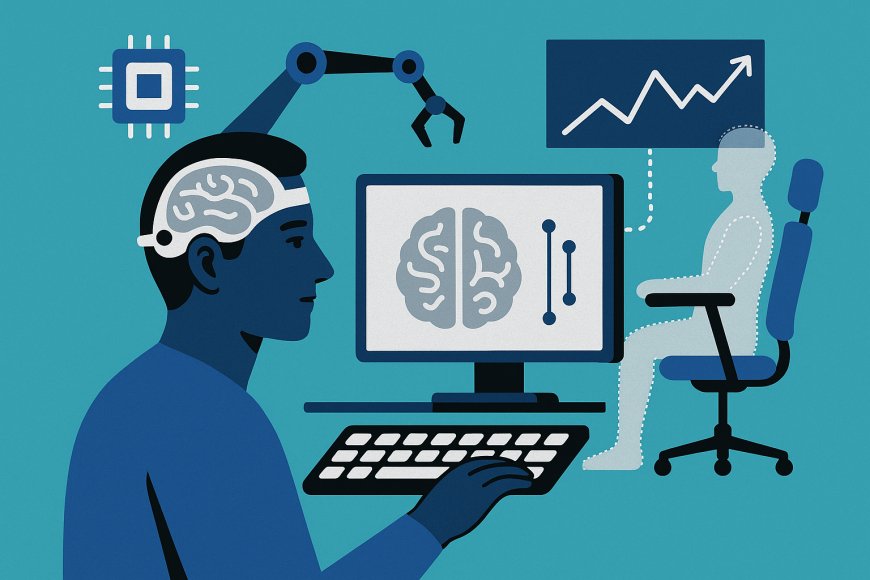
The nature of work is perpetually metamorphosing, driven by an ever-accelerating interplay between technological advancement and the human cognitive apparatus. A pivotal focus is emerging: how to optimally adapt environments to the neurological and psychological contours of human operators. Neuroergonomics, a burgeoning interdisciplinary field, seeks to bridge this gap by entwining cognitive neuroscience with ergonomics to enhance performance, safety, and well-being in work settings.


Consider a modern control room for a complex infrastructure network. Operators are inundated with streams of data, expected to interpret and act within split seconds. The cognitive load is immense. Neuroergonomics enters this fray, offering tools and methodologies to monitor and modulate the cognitive states of operators in real-time. By employing sensors embedded in workstations to measure brain activity, operators' mental states can be assessed, opening avenues for adaptive task allocation. When cognitive overload is detected, tasks can be redistributed to avoid errors—augmenting not only safety but also mental health.
Harnessing Cognitive Load Management
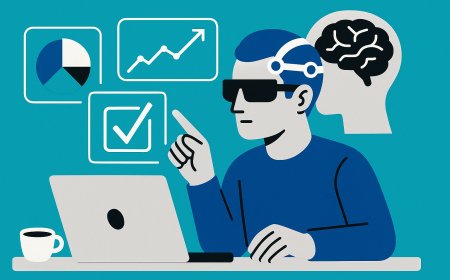
In a typical observational study of air traffic controllers, variations in cognitive load were mapped using advanced neuroimaging technologies. The study revealed a correlation between cognitive load and error rates, suggesting an exigent need for real-time cognitive monitoring. Neuroergonomics embraces this challenge by providing tools that assess cognitive strain through non-invasive neural sensors. These sensors, integrated into headsets, offer continuous feedback on cognitive states, thereby informing task distribution algorithms tailored to minimize overload.
The potential applications extend beyond monitoring. Imagine a scenario where a cognitive load measurement tool automatically adjusts the ambient environment—altering lighting or reducing background noise to alleviate cognitive pressure. This dynamism empowers an adaptive workspace where the environment itself becomes a participant in cognitive load management.
These neuroergonomic interventions are not without challenges. The integration of such technology into existing infrastructures demands substantial investment and a paradigm shift in how workspaces are conceptualized. Moreover, ethical considerations about privacy and autonomy must be meticulously addressed to ensure these tools enhance rather than encroach upon human agency.
Adapting to Human-Machine Interaction
The fusion of neuroergonomics with human-machine interaction heralds a transformative shift. Brain-computer interfaces (BCIs), once confined to research laboratories, are now inching towards practical applications in workplaces that demand high precision and fast responses. Consider a factory floor, where machinery operation requires rapid decision-making. BCIs offer a direct communication channel between the brain and external devices, enabling faster and potentially more accurate control over machines.
In a hypothetical experimental setup, workers equipped with BCIs were tasked with manipulating robotic arms. Brain signals were translated into commands with precision, demonstrating a reduction in response time and error rates. Such systems could revolutionize operations in sectors where human reflexes are limited by physiological constraints, pushing the boundaries of efficiency and accuracy.
Yet, the augmentation of human capabilities through BCIs raises significant ethical and practical questions. The potential for dependency on technology, loss of skill, and the blurring of lines between human and machine necessitate a careful balance. It is crucial to address these concerns as we advance towards a synergistic future where human-machine collaboration is seamless and harmonious.
The Future of Adaptive Work Environments
As we take strides into an era where work environments attune to the nuances of the human mind, the conversation must pivot towards inclusivity and accessibility. Neuroergonomics holds promise not only for enhancing productivity but also for tailoring environments to accommodate diverse cognitive abilities. This vision of adaptive workplaces demands relentless pursuit in technological innovation and ethical governance.
Ultimately, as we explore the symbiotic relationship between the human brain and its surroundings, a question emerges: Can the workspace itself evolve into an organic entity, responsive and adaptive to the cognitive ebbs and flows of its inhabitants? This question beckons not just technological innovation but a fundamental rethinking of what it means to work in a world where boundaries between mind and machine continue to blur.
What's Your Reaction?