






















































































The Cognitive Foundations of Leadership: Navigating the Science of Decision-Making
Leadership is a multifaceted discipline underpinned by complex cognitive processes. This article explores the intricate scientific mechanisms that underlie effective decision-making in leadership, focusing on bias, cognitive architecture, and validity. By examining realistic scenarios and experimental frameworks, we delve into the role of cognitive biases, the neural underpinnings of decision-making, and the impact of these on leadership efficacy. Additionally, we discuss the implications of these processes for developing more robust leadership models and methodologies, ultimately aiming to enhance organizational outcomes through informed decision-making.

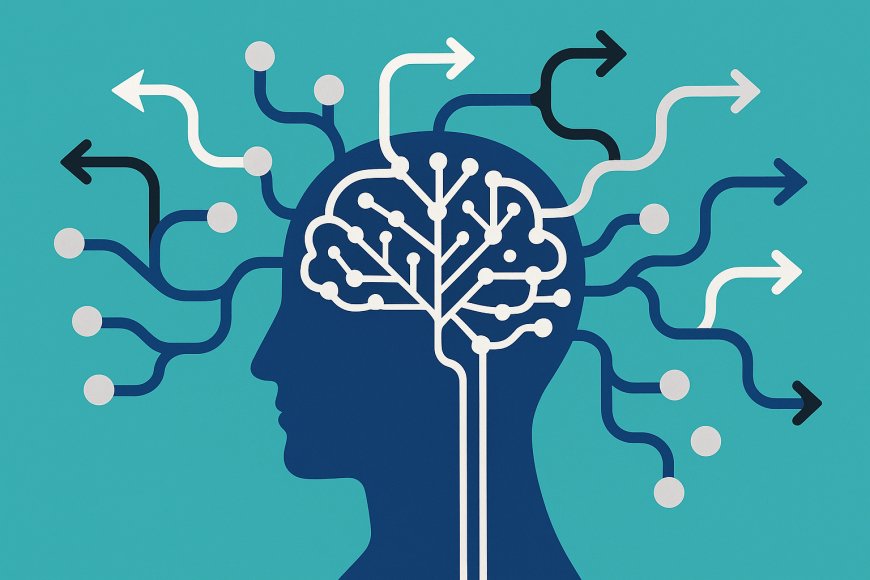
In the realm of leadership, the ability to make informed decisions is paramount. Yet, this capacity is not merely a product of experience or intuition but rather the result of intricate cognitive processes. Consider a scenario where a leader must choose between two equally promising projects. The decision may rely on gut feelings, previous experiences, or advice from trusted advisors. However, beneath these surface interactions lies a web of cognitive mechanisms that are often overlooked but critically influence the outcome.


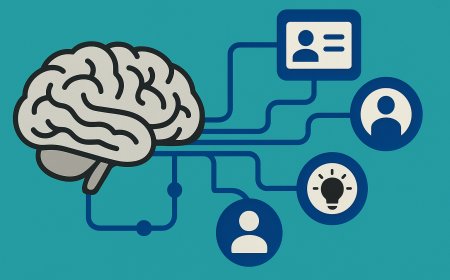
At the core of decision-making lies the brain's ability to process information, assess risks, and evaluate potential outcomes. This cognitive architecture is shaped by neural pathways that are both innate and developed through experience. In a typical observational study, researchers might examine how leaders process complex information, identifying neural patterns associated with successful decision-making. The results can reveal how certain cognitive processes, such as pattern recognition and emotional regulation, contribute to leadership efficacy.
Cognitive Biases in Leadership Decision-Making
Leadership decisions are frequently influenced by cognitive biases, systematic patterns of deviation from norm or rationality in judgment. These biases can skew perception and decision-making, often without conscious awareness. Take, for instance, the confirmation bias, where leaders might favor information that confirms their preexisting beliefs, dismissing contradictory evidence. In a behavioral experiment, participants acting as leaders might be tasked with evaluating team performance. They could be prone to overlook poor outcomes if they inherently trust their team, illustrating the subtle but profound impact of biases.
Another critical bias is the anchoring effect, where initial information unduly influences subsequent judgments. In a leadership context, initial data on a project's cost might set an unreasonably high baseline, affecting budgetary decisions despite new evidence. Biases like these necessitate awareness and strategic interventions. Training programs focusing on bias recognition and mitigation can be crucial in refining leadership effectiveness, ensuring decisions align more closely with objective realities.
The implications of cognitive biases extend beyond individual leaders. They can propagate through organizational structures, influencing policies and even corporate culture. Understanding these biases provides insights into systemic issues within organizations, allowing for the development of frameworks that promote healthier decision-making environments.
The Neural Underpinnings of Decision-Making
The neural mechanisms underlying decision-making in leaders are complex and multifaceted. Neuroimaging studies illustrate how specific brain regions, such as the prefrontal cortex, are activated during decision-making processes. This area is associated with executive functions, including planning, impulse control, and cognitive flexibility. In a controlled laboratory setting, leaders might undergo functional MRI scans while making decisions on strategic initiatives. These studies can uncover neural signatures associated with effective leadership, providing a biological basis for understanding decision-making.
Beyond anatomical insights, the role of neurotransmitters, such as dopamine, is also significant. Dopamine plays a critical role in reward processing and risk-taking behavior, factors that are essential in leadership. In experimental manipulations, altering dopamine levels can affect decision-making efficacy, highlighting the need for balanced neurochemical environments in leadership contexts.
Understanding these neural underpinnings offers a pathway to enhance leadership through targeted interventions. Techniques such as mindfulness and cognitive training can help optimize brain function, promoting better decision-making and resilience in leaders. These interventions can be tailored to individual leaders' cognitive profiles, ensuring a personalized approach to leadership development.
Validity in Leadership Methodologies
Validity in leadership methodologies pertains to the accuracy and reliability of the processes used to develop and assess leadership skills. For instance, 360-degree feedback is a common method to evaluate leadership performance, involving feedback from multiple sources. However, the validity of this approach can be questioned if biases in feedback mechanisms are not addressed. In an experimental setup, leaders might receive feedback from anonymous sources, assessing how anonymity affects the honesty and usefulness of the feedback.
Ensuring methodological validity also involves the application of evidence-based practices in leadership training. Programs should be rigorously tested and grounded in scientific research to ensure they effectively enhance leadership capacities. This might involve longitudinal studies tracking leadership development over time, assessing the long-term impacts of various training interventions.
Ultimately, the goal is to develop leadership models that not only withstand scientific scrutiny but also translate effectively into practice. This requires an ongoing commitment to research and adaptation, recognizing that effective leadership is not static but evolves with new insights and societal changes.
The exploration of cognitive foundations within leadership offers a profound understanding of the science underpinning decision-making. As we continue to uncover the neural and psychological processes involved, the opportunity for more informed and effective leadership emerges. The future of leadership development lies in integrating these scientific insights into practical applications, crafting leaders who are not only decisive but also adaptable and cognizant of the biases and neural intricacies guiding their decisions. The journey towards such an evolution in leadership is ongoing, promising a new era of strategic agility and cognitive sophistication.
What's Your Reaction?