


















































































Reassessing Longevity: A Paradigm Shift in the Science of Aging
Current longevity research is challenging traditional views on aging. By studying cellular senescence, genetic interventions, and caloric restriction, scientists are rethinking assumptions about lifespan. Emerging evidence suggests aging might not be an inevitable decline but a modifiable process.

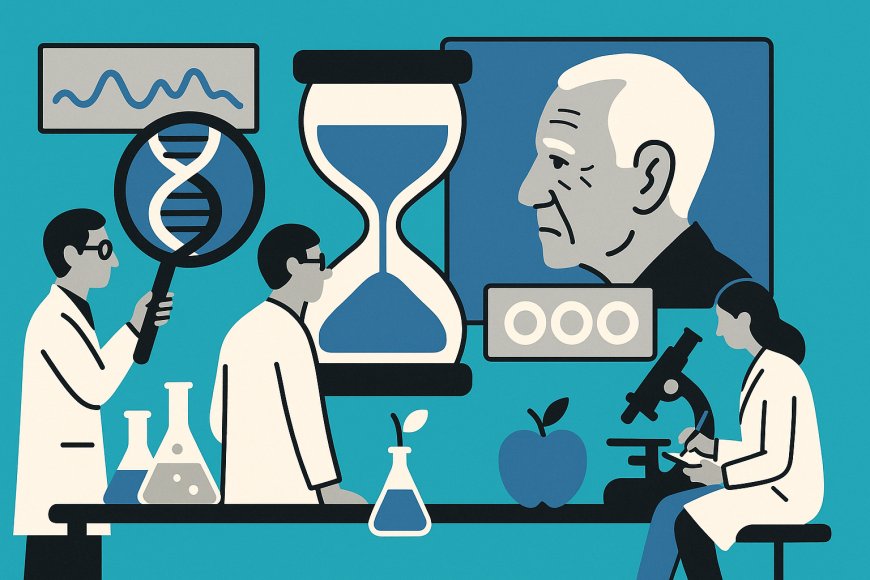
In the laboratories of a prominent biogerontology research institute, scientists are scrutinizing the cellular processes that underlie human aging. Contrary to the traditional view that aging is an immutable biological fate, emerging evidence proposes it as a dynamic and potentially modifiable process. Recent studies indicate that the hallmarks of aging—such as cellular senescence, genomic instability, and mitochondrial dysfunction—are not merely symptoms of chronological progression but active contributors to organismal decline. This perspective shift prompts a reevaluation of the fundamental assumptions regarding longevity and offers a foundation for innovative approaches to extend human lifespan.


One cornerstone of this new approach is the concept of cellular senescence, the phenomenon where cells irreversibly cease to divide and secrete inflammatory cytokines harmful to surrounding tissues. Initially believed to be an evolutionary safeguard against cancer, senescence has now been implicated in promoting age-related pathologies. In a controlled experiment, scientists have demonstrated that selectively removing senescent cells in mice can improve function and extend lifespan. This intervention not only enhances physical vitality but also shifts the focus from treating age-related diseases individually to targeting the aging process itself as a unified therapeutic objective.
Genetic Interventions: Targeting Longevity at Its Core
Genetic interventions represent another promising horizon in the quest for longevity. In a landmark study, researchers employed CRISPR/Cas9 technology to modify the genes associated with the regulation of cellular aging. The modified organisms exhibited enhanced resistance to stress and an increase in lifespan without adverse effects. This experiment not only underscores the feasibility of genetic manipulation as a tool for extending healthy lifespan but also challenges ethical and philosophical notions regarding human intervention in natural processes. The implications of such genetic modifications are profound, positing questions about the boundaries of human enhancement and the definition of natural human experiences.
Consider a scenario where researchers explore the genetic basis of age-related cognitive decline. By editing genes linked to protein folding in neurons, they aim to mitigate the accumulation of misfolded proteins, a hallmark of neurodegenerative diseases. Preliminary results indicate a reduction in cognitive impairments, suggesting that genetic interventions could hold the key to preventing dementia and other age-related conditions. This potential to rewrite genetic destiny is not without controversy, but it stands as a testament to the interplay between genetic malleability and aging.
However, genetic interventions are not without their challenges. The complexity of gene interactions and the potential for unforeseen consequences necessitate rigorous ethical considerations and comprehensive risk assessments. The pathway to human application involves not just scientific hurdles but also societal discourse on the acceptability and desirability of such interventions. As science advances, the balance between extending life and preserving the quality of that life remains a pivotal concern.
Caloric Restriction and Its Mechanisms: A Dietary Revolution
Caloric restriction (CR) has long been recognized as a non-genetic approach capable of extending lifespan in various species, including mammals. In controlled studies, animals on a calorically restricted diet exhibit significant increases in both median and maximum lifespan. The underlying mechanisms of CR involve a complex interplay of metabolic pathways that enhance stress resistance and delay the onset of age-related diseases.
In a typical observational study, subjects adhering to a CR diet display reduced incidence of metabolic syndrome, improved insulin sensitivity, and a decrease in inflammatory markers. These findings suggest that CR not only prolongs life but also enhances healthspan—the period of life spent free from serious diseases. This dietary intervention is particularly intriguing as it offers a potentially accessible means for humans to influence their aging trajectory without the need for advanced genetic technologies or pharmacological interventions.
The application of CR in human populations, however, presents challenges. The practicality and sustainability of long-term CR in promoting significant health benefits remain subjects of debate. Moreover, the psychological and societal implications of such restrictive diets necessitate further exploration. Nonetheless, CR continues to be a focal point of research, driving the development of mimetic compounds that could simulate its benefits without the need for drastic dietary changes.
Rethinking the Aging Paradigm: A New Frontier
As the science of aging progresses, the potential to redefine longevity is becoming increasingly tangible. The convergence of cellular, genetic, and dietary interventions challenges the notion of aging as an irreversible decline. Instead, aging is being reframed as a process that can be modulated, offering a hopeful perspective for human health and lifespan.
These scientific advancements invite a broader philosophical reflection on the nature of life and the ethical implications of extending it. As researchers continue to push the boundaries of what is possible in the realm of longevity, society must grapple with the implications of these discoveries. The future may hold an era where aging is not just managed but actively altered, redefining not just how long we live, but how well we live those years.
What's Your Reaction?