


















































































Fatty Liver Disease: Understanding Symptoms, Causes, and Effective Treatment
Learn about the prevalence, symptoms, and causes of fatty liver disease. Discover effective, evidence-based strategies for treatment and prevention, with a focus on diet and lifestyle changes.
Fatty liver disease is no longer a marginal medical issue. It has evolved into a widespread metabolic condition affecting a significant portion of the global population, closely linked to obesity, diabetes, and lipid disorders. Its clinical importance lies not only in its prevalence, but in its silent progression and systemic impact.


Fatty liver, or hepatic steatosis, is defined by the accumulation of triglycerides within liver cells beyond normal physiological limits. It presents in two primary forms: alcoholic fatty liver disease and non-alcoholic fatty liver disease, the latter now increasingly referred to as metabolic-associated fatty liver disease due to its strong metabolic roots.
From a clinical standpoint, the disease develops across a spectrum. It may begin as simple fat accumulation without inflammation, then progress to steatohepatitis where inflammation and cellular injury emerge, eventually leading to fibrosis, cirrhosis, and in some cases hepatocellular carcinoma. This progression is gradual but clinically significant, particularly when left unmanaged.
Epidemiologically, fatty liver affects approximately one quarter to one third of adults worldwide, with higher concentrations in regions characterized by sedentary lifestyles and high caloric intake. In Saudi Arabia, prevalence estimates suggest a substantial and growing burden, driven by metabolic risk factors and lifestyle patterns.
The disease extends beyond the liver. It plays a central role in insulin resistance, contributes to dyslipidemia, and increases cardiovascular risk. These interconnected pathways position fatty liver as a metabolic hub rather than an isolated organ condition.
Clinically, early stages are often asymptomatic. Diagnosis frequently occurs incidentally through elevated liver enzymes or imaging findings. As the disease advances, symptoms may emerge, reflecting both hepatic dysfunction and systemic effects.
Causation is multifactorial. Obesity, insulin resistance, high intake of refined carbohydrates, physical inactivity, and genetic predisposition collectively drive fat accumulation and inflammatory processes within the liver. Elevated liver enzymes reflect cellular stress, inflammation, and oxidative damage rather than serving as a direct measure of disease severity.
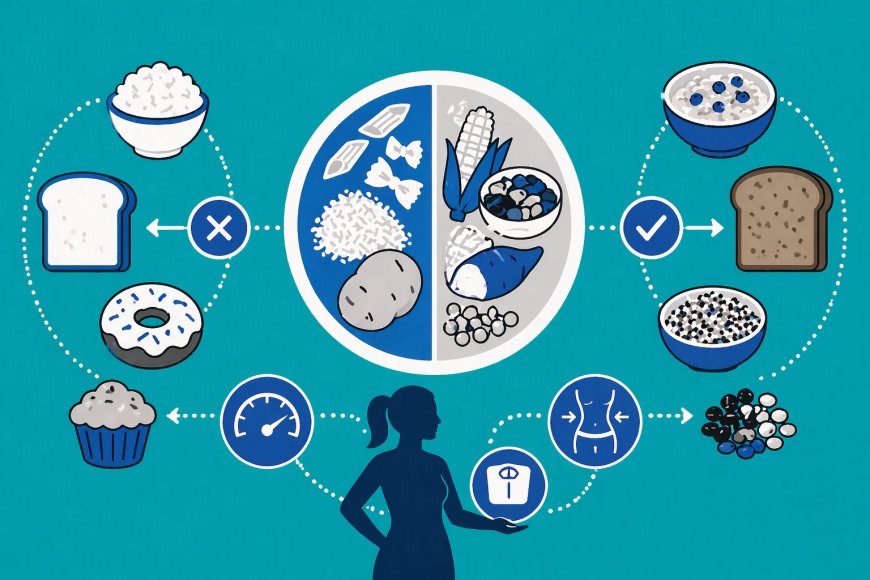
Despite its complexity, fatty liver remains largely reversible in its early stages. The most effective intervention is structured lifestyle modification. Gradual weight loss, dietary adjustment toward balanced and low-refined carbohydrate intake, and regular physical activity have consistently demonstrated significant reductions in liver fat and improvement in metabolic parameters.
Medical therapy remains supportive rather than definitive. Certain agents may be used in selected cases, particularly where metabolic comorbidities are present, but no single pharmacological treatment currently replaces lifestyle-based intervention.
Management strategies are stage-dependent. Early stages rely on prevention and metabolic control, while advanced stages require specialized monitoring and, in severe cases, consideration of transplantation. Emerging therapies targeting metabolic pathways and fibrosis are under investigation but have not yet redefined standard care.
Prevention remains the most effective strategy. It is rooted in sustained behavioral patterns: balanced nutrition, regular movement, weight control, and proactive screening among high-risk populations.
Fatty liver ultimately reflects a broader metabolic imbalance. Its trajectory is shaped less by acute interventions and more by cumulative daily behaviors. The clinical pathway is well understood; the challenge lies in consistent execution.
What's Your Reaction?