











































































The Neural Architecture of Implicit Bias: A Cognitive Neuroscience Perspective
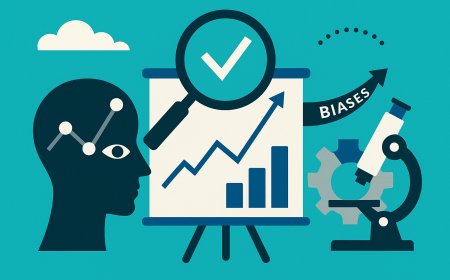
Implicit bias manifests as unconscious associations and attitudes, influencing behavior and decision-making. Cognitive neuroscience explores the neural architecture underpinning these biases, revealing intricate connections between brain structures such as the amygdala, prefrontal cortex, and anterior cingulate cortex. This neural interplay dictates emotional responses and cognitive control, shaping our social interactions. Advanced neuroimaging techniques and computational models are instrumental in unraveling these processes, offering insights into overcoming inherent biases. Future directions aim to integrate these findings into educational and workplace scenarios, fostering environments that mitigate bias-driven disparities.


Implicit bias, an inherent aspect of human cognition, manifests as unconscious associations and preferences that can significantly influence behavior and decision-making. These biases, often not recognized by the individuals who hold them, have profound implications in diverse contexts such as workplace diversity, judicial proceedings, and social interactions. Cognitive neuroscience, a field committed to understanding the brain mechanisms underlying behavior, provides crucial insights into the neural architecture of implicit bias. By mapping the neural substrates that give rise to these biases, researchers can illuminate the pathways through which such unconscious processes are shaped and maintained.


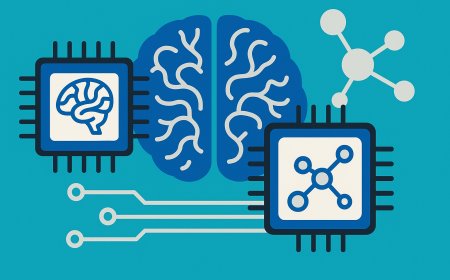
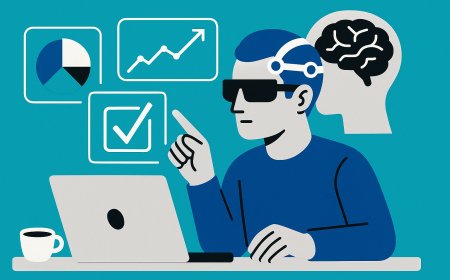
The exploration of the neural underpinnings of implicit bias is a complex endeavor requiring sophisticated methodologies. Neuroimaging techniques, such as functional magnetic resonance imaging (fMRI) and electroencephalography (EEG), have proven invaluable in identifying brain regions involved in processing social information and mediating biased behaviors. These techniques enable the observation of brain activity in real-time, allowing researchers to discern patterns that correspond to biased responses. Furthermore, computational modeling offers a framework for understanding the intricate interactions between different brain structures that contribute to implicit bias.
The Amygdala and Emotional Loading
The amygdala, a small almond-shaped cluster of nuclei located within the temporal lobes, is critically involved in processing emotional stimuli and is pivotal for the expression of implicit biases. Studies indicate that the amygdala's activation is heightened in response to faces of individuals from different racial or ethnic backgrounds, signaling an automatic emotional response. This response does not always translate into conscious bias but forms the subconscious emotional undercurrent that influences social decision-making.
The amygdala operates in tandem with the prefrontal cortex, which is responsible for higher-order executive functions such as reasoning and judgment. When the amygdala generates an initial emotional response, the prefrontal cortex assesses and modulates this reaction, a process essential for regulating bias. This interplay illustrates the neural basis for the management and potential suppression of implicit biases, highlighting the brain's capacity for adaptive social cognition.
Research utilizing fMRI has demonstrated that individuals with greater amygdala activation in response to specific social stimuli also show stronger implicit biases. This correlation underscores the amygdala's role in encoding emotional salience, thereby influencing subconscious evaluations and interactions.
Prefrontal Cortex: The Seat of Cognitive Control
The prefrontal cortex, particularly the ventromedial and dorsolateral regions, is central to cognitive control and decision-making. These areas are involved in regulating attention, inhibiting inappropriate responses, and integrating complex social information. Within the context of implicit bias, the prefrontal cortex mediates the discrepancy between unconscious inclinations and conscious intentions.
Neuroimaging studies reveal that individuals with higher cognitive control capabilities, as evidenced by greater prefrontal cortex activation, can more effectively manage their implicit biases. This finding suggests that enhancing cognitive control through targeted interventions could diminish the impact of implicit biases on behavior. Such interventions may include cognitive training exercises designed to strengthen executive functions, thereby equipping individuals with tools to override biased tendencies.
The prefrontal cortex's role in executive function also implicates it in the broader network of social cognition. By modulating emotional responses initiated by the amygdala, it facilitates the nuanced processing required for fair and unbiased social interaction.
The Anterior Cingulate Cortex and Conflict Monitoring
The anterior cingulate cortex (ACC) is another crucial component of the neural circuitry involved in implicit bias. The ACC is tasked with monitoring conflicts between competing neural processes, such as the discrepancy between automatic biases and conscious goals. This capacity for conflict monitoring is essential for behavioral adjustment and the maintenance of social harmony.
When individuals encounter situations that elicit biased responses, the ACC detects the divergence between implicit reactions and explicit intentions. This detection prompts compensatory cognitive processes aimed at resolving the conflict, thereby reducing bias expression. Neuroimaging studies have shown that increased ACC activation is associated with greater awareness and correction of biased behaviors, reflecting the brain's intrinsic mechanism for self-regulation.
The ACC's involvement in bias regulation underscores the importance of developing interventions that enhance self-monitoring capabilities. By fostering greater awareness of implicit biases, individuals can be better equipped to counteract their influence, promoting equitable decision-making across various domains.
The intricate neural networks sustaining implicit bias are a testament to the complexity of human cognition and social behavior. As cognitive neuroscience continues to unravel these networks, it offers profound insights into the mechanisms by which biases are formed and perpetuated. The application of this knowledge to educational and workplace environments holds promise for mitigating the societal impacts of implicit bias. Future research will likely focus on refining neurocognitive interventions that cultivate bias awareness and foster inclusive interactions. The journey towards understanding and attenuating implicit bias is one of great scientific and societal significance.
What's Your Reaction?