














































































The Intersection of Epigenetics and Neuroplasticity: Bridging Biology and Mind
This article explores the intricate relationship between epigenetics and neuroplasticity, unveiling how genetic and environmental interactions shape neuronal circuits. It delves into the mechanisms driving this intersection and its implications for understanding cognitive processes and mental health.


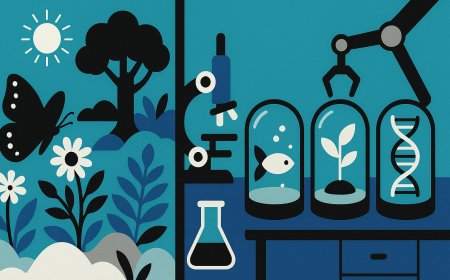
The intersection of epigenetics and neuroplasticity represents a scientific frontier where biology meets the mind, with profound implications for understanding human cognition and behavior. Epigenetics, a field that investigates the heritable changes in gene expression without altering the DNA sequence, provides a framework for understanding how environmental factors can lead to lasting modifications in gene activity. On the other hand, neuroplasticity refers to the brain's remarkable capacity to reorganize itself by forming new neural connections in response to learning, experience, or injury. Together, they offer a compelling narrative of how genetic and environmental interactions shape the structure and function of the brain.


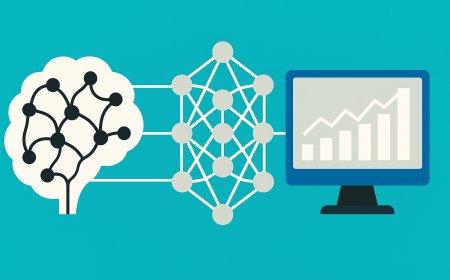
The convergence of epigenetics and neuroplasticity is reshaping how scientists view the brain's adaptability in response to external stimuli. Epigenetic mechanisms, such as DNA methylation and histone modification, play a pivotal role in mediating the effects of environmental experiences on neural pathways. These biochemical processes influence the transcriptional activity of genes crucial for synaptic plasticity, learning, and memory. By elucidating the molecular underpinnings of these phenomena, researchers are beginning to understand how life experiences can leave lasting imprints on neuronal circuits, influencing behavior and cognitive function.
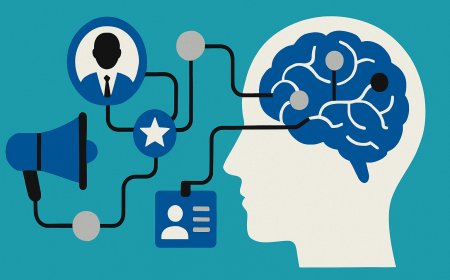
Central to this exploration is the concept of synaptic plasticity, the ability of synapses to strengthen or weaken over time. Epigenetic modifications facilitate this process by modulating the expression of genes involved in synapse formation and maintenance. For instance, studies have demonstrated how environmental enrichment can lead to increased expression of memory-related genes through epigenetic alterations, enhancing synaptic connectivity and cognitive performance. This dynamic interplay between gene expression and neural plasticity underscores the brain's capacity to adapt and evolve in response to changing environments, highlighting the intricate dance between genetic predispositions and experiential influences.
The Molecular Dance: Mechanisms and Examples
At the heart of the epigenetic-neuroplasticity nexus are molecular mechanisms that enable the brain to adaptively respond to environmental stimuli. DNA methylation, a form of epigenetic modification, involves the addition of methyl groups to DNA molecules, typically acting to suppress gene activity. In the context of neuroplasticity, these methylation patterns can be dynamically altered by environmental factors, influencing gene expression involved in synaptic stability and plasticity. For example, stress-induced alterations in DNA methylation have been shown to impact the expression of brain-derived neurotrophic factor (BDNF), a crucial protein for synaptic growth and resilience.
Histone modification, another epigenetic mechanism, involves chemical changes to the histone proteins around which DNA is wound. These modifications can either promote or inhibit the transcription of genes associated with neuronal plasticity. Acetylation of histones, for instance, generally enhances gene expression by relaxing chromatin structure and allowing transcriptional machinery better access to DNA. This process is instrumental in the regulation of genes that determine the strength and efficiency of synaptic connections, thus playing a vital role in learning and memory processes.
Real-world examples illuminate these mechanisms in action. Research has shown that exposure to complex environments can lead to upregulation of synaptic function-related genes via histone acetylation, demonstrating the environment's role in sculpting neural networks. Moreover, maternal behavior has been found to epigenetically influence stress-response genes in offspring, impacting their neuroplasticity and stress-coping mechanisms later in life. Such findings underscore the profound influence of epigenetic mechanisms in mediating the impact of environmental experiences on the brain's structural and functional architecture.
Furthermore, the interplay between epigenetic modifications and neuroplasticity extends beyond individual experiences, encompassing transgenerational effects. Epigenetic changes can be passed from one generation to the next, potentially influencing the neuroplastic capacities of descendants. This highlights a broader biological principle where experiences and environmental contexts not only shape individual brain function but also potentially echo across generations, contributing to evolutionary and adaptive processes.
Implications for Cognitive Function and Mental Health
The intersection of epigenetics and neuroplasticity holds significant implications for understanding cognitive function and mental health. The capacity of epigenetic modifications to regulate neural plasticity suggests that environmental interventions could be harnessed to optimize cognitive abilities and ameliorate neurological disorders. Targeted therapies that modify specific epigenetic marks could potentially reverse maladaptive synaptic changes associated with neuropsychiatric conditions.
This approach is particularly promising in the context of neurodevelopmental disorders, where early-life interventions could capitalize on critical periods of heightened neuroplasticity. By modulating epigenetic mechanisms, it may be possible to enhance adaptive plasticity, compensating for developmental deficits and promoting functional recovery. Such strategies could revolutionize therapeutic paradigms, providing personalized interventions that align with the unique genetic and epigenetic profiles of individuals.
Moreover, understanding the epigenetic regulation of neuroplasticity could offer insights into resilience mechanisms, identifying how certain individuals maintain cognitive function despite adversity. These discoveries could inform the development of interventions aimed at enhancing resilience, providing tools to bolster mental health and cognitive longevity in aging populations. The potential to leverage epigenetic knowledge for enhancing brain health represents a frontier in neuroscience, with implications for education, mental healthcare, and public policy.
However, the application of epigenetic insights into clinical practice requires a nuanced understanding of the ethical and social implications. The potential for epigenetic interventions to impact behavior raises questions about autonomy, consent, and the societal consequences of manipulating biological pathways. As research progresses, it will be crucial to engage in interdisciplinary dialogues that consider the ethical dimensions of such interventions, ensuring that the benefits of epigenetic advancements are equitably distributed.
As the relationship between epigenetics and neuroplasticity continues to unfold, it opens avenues for rethinking the interplay between genes, environment, and behavior. By bridging molecular biology with cognitive neuroscience, we are poised to redefine our understanding of mental processes, offering hope for addressing some of the most pressing challenges in mental health and cognition.
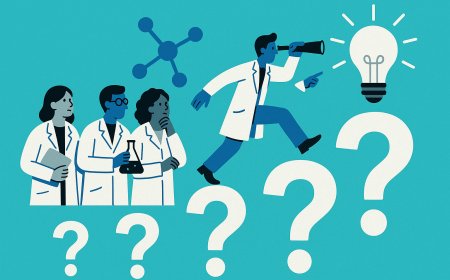
In conclusion, the intricate interplay between epigenetics and neuroplasticity represents a transformative domain in scientific inquiry, unveiling the dynamic interconnections between environment and gene expression in shaping the human mind. As research progresses, it is anticipated that the insights gained will not only deepen our understanding of brain function but also lead to innovative therapeutic strategies tailored to individual needs. The promise of this interdisciplinary exploration lies in its potential to revolutionize how we perceive, maintain, and enhance mental health and cognitive resilience across the lifespan.
Looking forward, the integration of epigenetic and neuroplasticity research holds the potential to unlock new dimensions in personalized medicine, education, and psychological wellness. As we continue to uncover the molecular intricacies of this intersection, it becomes increasingly clear that the future of neuroscience will be defined by its capacity to embrace complexity, forging pathways toward a more comprehensive understanding of the human experience and its biological underpinnings.
What's Your Reaction?