

















































































Epigenetic Mechanisms: Architects of Phenotypic Plasticity
Epigenetic mechanisms like DNA methylation and histone modification guide phenotypic plasticity by altering gene expression without changing DNA sequences. These changes can adapt organisms to varying environments rapidly, showcasing nature's dynamic adaptability.

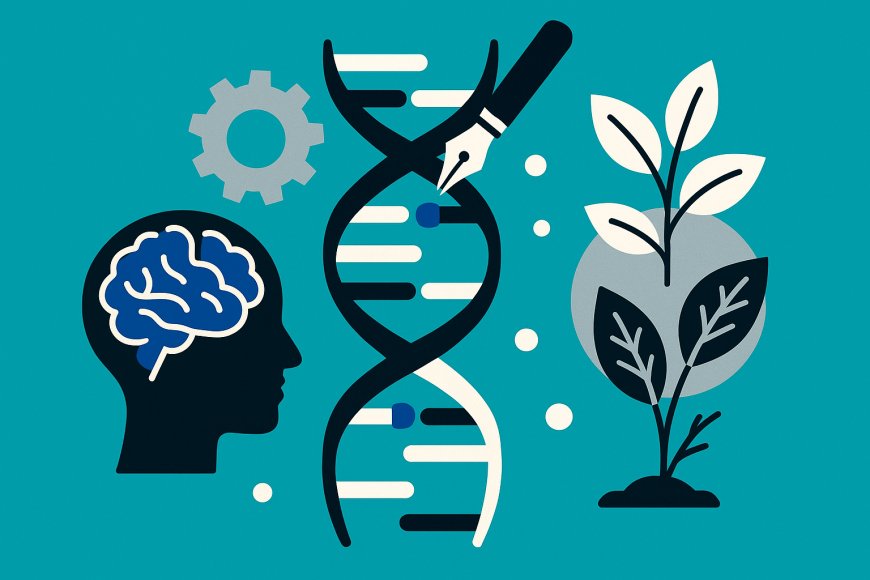
In a typical developmental biology lab, scientists observe a remarkable phenomenon: identical genetic sequences manifesting in varied phenotypes depending on environmental conditions. This observation prompts the question: How do organisms with identical genetic codes adapt to different environments? The answer lies in the nuanced world of epigenetics. Epigenetic mechanisms, which include DNA methylation and histone modification, are crucial in regulating gene expression without altering the DNA sequence itself. This allows for phenotypic plasticity, the ability of a single genotype to produce variable phenotypes in response to environmental cues.


DNA Methylation: The Epigenetic Marker of Silence
Consider a behavioral experiment where mice are exposed to varying levels of stress during early development. Observations show that these mice exhibit different stress responses as adults, despite being genetically identical. This variation can be attributed to DNA methylation, a process where methyl groups are added to the DNA molecule, typically at cytosine bases in the context of CpG dinucleotides. This addition generally represses gene expression by preventing transcription factors from binding to DNA.
In environmental studies, such as those focusing on plant responses to climate change, DNA methylation enables rapid adaptation without the need for genetic mutation. For instance, plants exposed to drought conditions may activate methylation in genes related to water retention, providing a survival advantage. These epigenetic changes can be reversible, allowing organisms to revert phenotypic states as environmental conditions normalize.
Furthermore, DNA methylation patterns can be inherited, a phenomenon known as transgenerational epigenetic inheritance. This allows offspring to inherit adaptive traits from their parents, preparing them for similar environmental challenges. In evolutionary biology, this challenges the traditional neo-Darwinian view that only genetic mutations drive adaptation.
Histone Modification: Sculpting the Epigenetic Landscape
Histone modification represents another crucial layer of epigenetic regulation. In a typical cellular experiment, researchers observe how external stimuli, such as nutrient availability, can alter histone acetylation and methylation patterns, affecting chromatin structure and gene expression. Histones, the protein components around which DNA is wrapped, can undergo various chemical changes. These modifications influence how tightly or loosely DNA is packaged, thus regulating gene accessibility.
For example, histone acetylation usually correlates with active gene expression. In energy metabolism studies, scientists have demonstrated that increases in histone acetylation at specific loci enhance the expression of genes involved in glucose metabolism. This modulation allows cells to respond efficiently to changes in nutrient availability, optimizing energy usage.
Histone modifications also play a significant role in developmental biology. In embryonic development, specific patterns of histone methylation are essential for the differentiation of stem cells into specialized cell types. By selectively activating or repressing genes, cells can follow distinct developmental pathways, ultimately leading to the formation of complex multicellular organisms.
The Impact of Epigenetic Plasticity on Adaptation
Epigenetic mechanisms offer an adaptive advantage by allowing organisms to respond rapidly to environmental changes without undergoing genetic alterations. This is particularly evident in ecological studies where species face unprecedented changes due to climate shifts. Epigenetic plasticity enables quick phenotypic adjustments, increasing resilience and survivability.
In recent ecological research, species such as coral have displayed remarkable epigenetic adaptability to rising sea temperatures. These corals modify their epigenetic markers to activate genes that enhance thermal tolerance, illustrating a survival strategy that could help buffer some effects of climate change.
Moreover, in human health, epigenetics has profound implications. Lifestyle factors, such as diet and stress, can influence epigenetic states, potentially affecting disease risk and overall health. Epigenetic therapies are an emerging field, targeting these modifications to treat conditions like cancer, where aberrant epigenetic changes drive disease progression.
The field of epigenetics represents a rapidly evolving frontier in biological sciences, offering insights into the dynamic interplay between genes and the environment.
The exploration of epigenetic mechanisms continues to uncover the intricate ways organisms adapt to their surroundings, revealing nature's ingenuity. As research progresses, the potential applications of epigenetics in fields ranging from conservation biology to personalized medicine become increasingly apparent. This knowledge not only enhances our understanding of life's adaptability but also holds promise for innovative solutions to pressing global challenges.
What's Your Reaction?