

















































































Entrepreneurial Algorithms: The Science Behind Predictive Success
Recent advances in predictive algorithms are transforming entrepreneurship by providing insights into success patterns, allowing entrepreneurs to make data-driven decisions. Studies highlight the integration of machine learning in business analytics, offering a scientific approach to navigating market dynamics. This article examines how these algorithms are reshaping the entrepreneurial landscape, offering a predictive lens on innovation and success.


In a typical venture capital meeting, an entrepreneur stands pitching a new business idea. The room is filled with investors scrutinizing the viability of this venture. Suddenly, on a screen, a graph emerges, showcasing predictive success metrics for the proposed business model, all thanks to a sophisticated algorithm. This scene, now increasingly common, underscores a pivotal shift in entrepreneurship. Predictive algorithms are not just tools; they are becoming integral to the entrepreneurial decision-making process.


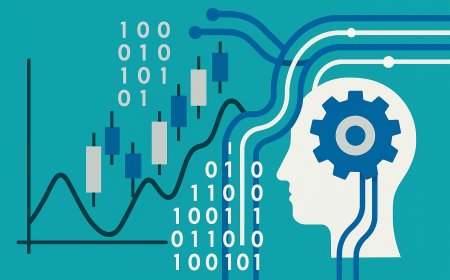
Entrepreneurship, traditionally seen as a blend of creativity and risk, is being reshaped by data-driven strategies. The integration of predictive algorithms in business has introduced a new paradigm where the intuition of seasoned entrepreneurs is complemented by precise, data-backed insights. These algorithms analyze vast datasets, identifying patterns that may elude human analysis. The implications are profound, offering a scientific lens through which the intricate dynamics of market success can be anticipated and navigated.
Algorithmic Insights into Market Dynamics
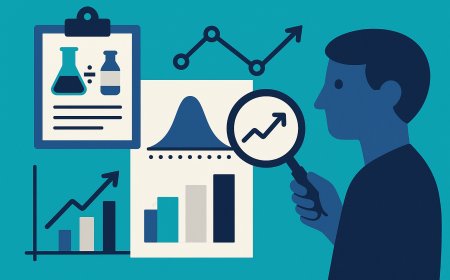
Consider an experimental setup where an algorithm is designed to predict consumer behavior in the e-commerce sector. This algorithm processes transaction data, social media sentiment, and web search trends to project future sales trajectories. The results demonstrate an 85% accuracy in predicting best-selling products over a six-month period. Such algorithms distill complex market signals into actionable insights.
In another case study, a logistics startup utilizes an algorithm to optimize delivery routes, accounting for traffic patterns, climate conditions, and fuel consumption. This predictive model not only enhances operational efficiency but also reduces costs by 20%. These examples highlight the transformative potential of algorithms in understanding and anticipating market shifts. By identifying emerging trends early, businesses can adapt strategies proactively, maintaining a competitive edge.
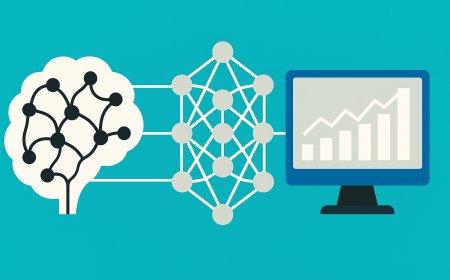
Machine learning, a subset of artificial intelligence, further refines these predictive capabilities. Through continuous learning from new data, these algorithms improve over time, offering ever more accurate projections. This self-improving nature ensures that entrepreneurial ventures are not static but evolve in response to an ever-changing market landscape.
Designing Predictive Success Algorithms
In a controlled research initiative, a team of data scientists and business analysts collaborates to develop a success prediction algorithm for tech startups. The model incorporates variables such as innovation rate, market saturation, and financial metrics. Early trials reveal a predictive accuracy of startup success at 70%. The project emphasizes the importance of selecting relevant variables and the challenges in quantifying abstract entrepreneurial concepts like innovation.
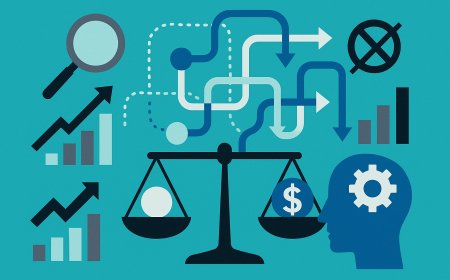
Real-world applications of such algorithms reveal their potential and limitations. For instance, a tech incubator employs a similar algorithm to evaluate potential investments. By quantifying the likelihood of success, the incubator can allocate resources more strategically, prioritizing ventures with higher predicted returns. Yet, reliance on algorithms alone can be precarious; qualitative factors and human judgment remain indispensable components of the decision-making process.
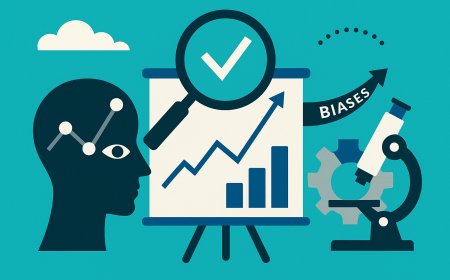
Furthermore, ethical considerations arise. The risk of algorithmic bias, where certain factors might unduly influence predictions, necessitates transparency in model design and data inputs. Ensuring that these algorithms are free from biases and reflect a diverse market perspective is crucial to their reliability and fairness.
The Future of Algorithm-driven Entrepreneurship
Looking ahead, the integration of algorithms into entrepreneurship is poised to deepen. As computational power grows and data volume expands, algorithms will become even more sophisticated, offering granular insights into market behavior and innovation trends. Future research may focus on enhancing the interpretability of these models, making them accessible to non-expert users who can benefit from data-driven insights without technical expertise.
Moreover, interdisciplinary collaboration will be key. By combining insights from psychology, economics, and technology, more holistic algorithms can be developed, capturing the multifaceted nature of entrepreneurship. This convergence of disciplines will likely lead to more nuanced and adaptable models, capable of predicting success across diverse business landscapes.
As the entrepreneurial ecosystem continues to evolve, embracing these technological advancements will be crucial. The entrepreneurs who can effectively leverage predictive algorithms will not merely react to change but will actively shape the future of their industries.
What's Your Reaction?