









































































Synthetic Biology: Reimagining the Constructs of Evolution and Functionality
Synthetic biology redefines evolutionary paradigms by engineering organisms with novel functionalities. Through genetic circuits and modular design, this innovative field challenges traditional biological principles, offering profound implications for biotechnology and ecological management.

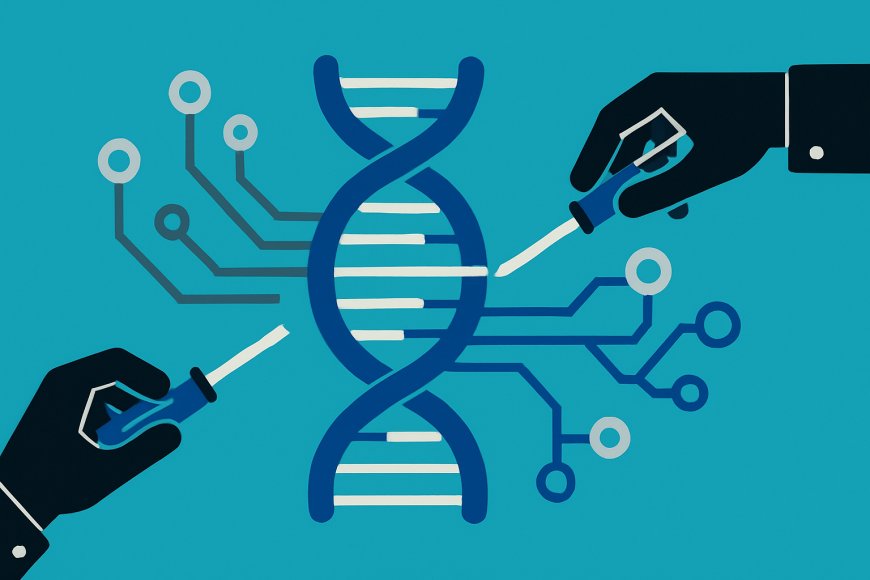
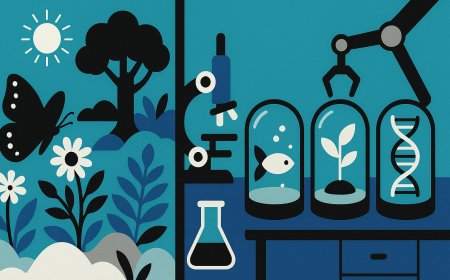
In the quiet corners of a laboratory, scientists manipulate sequences of DNA as if they were programming a computer. Synthetic biology, a frontier that bridges biology with engineering, is redefining the constructs of evolution and functionality. This discipline goes beyond mere genetic splicing to create organisms with entirely new capabilities, challenging traditional evolutionary paradigms and potentially reshaping ecological landscapes.


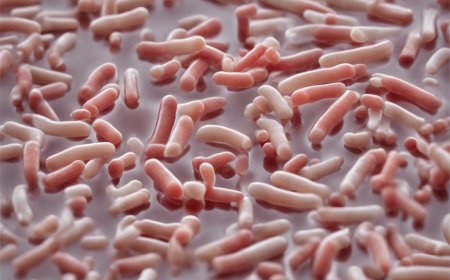
Consider an engineered bacterium designed to metabolize pollutants in contaminated water. This organism, crafted through synthetic biology, operates not only as a biological agent but as a precision tool, designed to address specific environmental challenges. Such capabilities raise questions about the limits of what life can achieve when directed by human ingenuity rather than natural selection alone.
At its core, synthetic biology employs engineering principles to construct genetic circuits—sets of genes that act like electronic circuits within a cell. These circuits allow scientists to program cells to perform specific tasks, much like programming a robot. By inserting these circuits into organisms, researchers can prompt them to exhibit desired behaviors or produce specific substances. The implications for medicine, agriculture, and industrial applications are vast, promising solutions from sustainable biofuels to advanced therapeutic agents.
From Concept to Reality: Engineering Biological Systems
To understand synthetic biology's transformative potential, one must first grasp the process by which biological systems are engineered. It begins with modularity—breaking down complex biological processes into simpler, interchangeable parts. These parts can be genes, promoters, and regulatory elements, each playing a unique role in the overall behavior of the cell.
In a standard experimental setup, researchers might select a genetic module responsible for a specific response, such as fluorescence in the presence of a toxin. This module can then be combined with other modules to create a complex, responsive system. The elegance lies in the predictability and reusability of these modules across different organisms.
In a University-led project, scientists demonstrated this by creating a yeast strain capable of producing a pharmaceutical compound previously exclusive to a rare plant. By understanding and reconstructing the plant's biosynthetic pathway within the yeast, they circumvented the limitations of natural plant growth rates, thereby creating a sustainable production method.
The design-build-test cycle is central to synthetic biology. Scientists design genetic constructs in silico, test them in vitro, and iterate based on results. This cycle accelerates the development of biological systems, reducing time from concept to application. Importantly, it introduces a level of precision not seen in traditional breeding or genetic modification techniques.
Challenging Traditional Evolutionary Paradigms
Synthetic biology not only redefines how we manipulate life but challenges the very principles of evolution. Traditional evolution relies on random mutations and natural selection over millennia. In contrast, synthetic biology offers a directed approach where specific genetic changes are made with predefined outcomes in mind.
Take, for instance, a project where scientists engineered bacteria to produce a synthetic amino acid not found in nature. This endeavor required rethinking protein synthesis pathways and demonstrated how life could be expanded beyond its natural biochemical repertoire. Such innovations question the boundaries of what is considered natural evolution.
Furthermore, synthetic biology fosters a dialogue between biologists and engineers, leading to novel insights into biological complexity and systems design. This interdisciplinary approach encourages re-evaluation of evolutionary mechanisms, positing that life’s potential is not confined to what has been historically possible but is instead an open canvas for innovation.
Yet, this raises ethical queries about the extent to which humanity should modify life forms. The potential to create organisms that do not adhere to natural evolutionary pressures might disrupt ecosystems if not carefully managed. The debate continues as synthetic biology advances, requiring strict regulatory frameworks to balance innovation with ecological integrity.
Implications and Future Directions
The implications of synthetic biology extend far beyond academic curiosity. In agriculture, it promises crops with enhanced nutritional profiles or resilience to climate change. In medicine, tailored microbes could deliver drugs directly to target tissues, revolutionizing treatment paradigms. The potential for environmental management is equally profound, offering bioremediation solutions that were previously unimaginable.
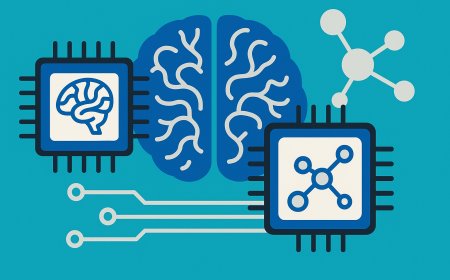
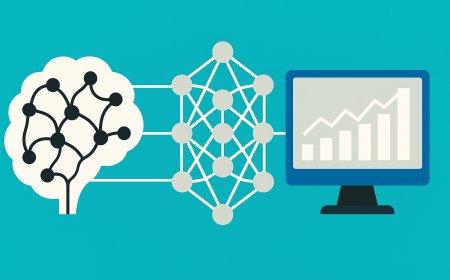
As synthetic biology matures, its integration with computational modeling and machine learning will likely drive the next wave of innovation. Predictive algorithms could refine the design of genetic circuits, making the design-build-test cycle even more efficient. This convergence of disciplines will unlock further complexities of life, offering unprecedented control over biological systems.
In contemplating the future of synthetic biology, one must recognize the delicate balance between innovation and responsibility. As we continue to decode and reimagine life’s blueprint, the ethical stewardship of such power will define the legacy of this transformative field. Whether harnessed for sustainability or health, synthetic biology represents not just a scientific frontier but a philosophical journey into the nature of life itself.
What's Your Reaction?