











































































Rethinking Neural Representations: Beyond Static Models in Cognitive Neuroscience
In cognitive neuroscience, neural representations have traditionally been viewed as static models, mapping specific brain regions to cognitive functions. However, emerging research suggests these representations are dynamic, constantly adapting through plasticity and experience. This dynamic view challenges the static paradigm, offering fresh perspectives on brain function and cognition.

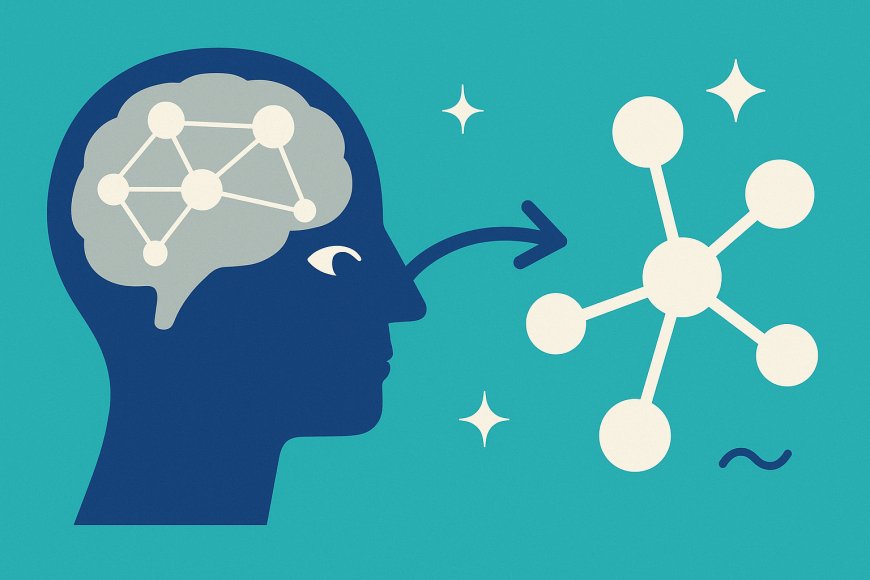
In cognitive neuroscience, one prevailing assumption has long been that neural representations are largely static, fixed anatomies that map distinct brain regions to particular cognitive functions. Recent studies, however, challenge this notion, suggesting that neural representations are not static but dynamic, continuously molded by ongoing experience and environmental interactions. This alternative perspective not only questions established paradigms but proposes that the brain's plasticity extends far beyond traditional limits.


Consider a typical fMRI study where researchers examine the activity of the prefrontal cortex during problem-solving tasks. Traditionally, increased activity in this region is interpreted as a static representation of cognitive processes like planning and decision-making. However, newer methodologies employing real-time neurofeedback reveal that these patterns are not fixed but can be altered through training and experience. For example, participants in a longitudinal study exhibited shifting activation patterns in response to feedback on their performance, suggesting that neural representations are dynamically constructed.
Dynamic Neural Models: A New Paradigm
The static model approach has dominated cognitive neuroscience for decades, but recent advances highlight an intricate web of ongoing neural adaptation. Dynamic neural models propose that brain activity is not merely a repetition of static circuits but a constantly evolving network capable of adapting to new information. This dynamic nature is best exemplified by studies in neuroplasticity, where brain regions traditionally associated with one function are seen to adapt and serve other roles following extensive training or injury.
To illustrate, consider a behavioral experiment in which participants learn a novel motor skill. Initially, specific regions of the motor cortex light up, as observed through imaging technologies. Over time and with practice, the neural circuits involved become more refined, showing reduced activity while achieving higher proficiency. This reduced activity signals a reorganization within the neural network, where efficiency is achieved through practice and adaptation. The initial static representation of the skill becomes fluid, accommodating new neural pathways that enhance performance.
Dynamic modeling also challenges the classical view of modular brain function, where isolated brain regions are presumed to handle distinct tasks. Instead, studies focusing on multi-tasking scenarios reveal that the brain exhibits a high degree of functional overlap, with regions engaging in multiple processes simultaneously, depending on contextual demands. Such flexibility underscores the dynamic character of neural representations, where the brain continually reorganizes its resources to optimize function.
In another anonymized case study, stroke patients engaged in rehabilitation demonstrated significant shifts in neural network activity, as seen through comprehensive imaging. Pre- and post-rehabilitation scans showed widespread reorganization in sensory and motor pathways, challenging the notion of fixed neural representation. Rehabilitation seemed to spur a new neural architecture, adapting to lost functions and compensating through alternate pathways.
Implications for Cognitive Function and Disorders
Embracing dynamic neural models has profound implications not only for understanding cognitive processes but also for treating neurological disorders. Viewing the brain as a dynamic organ opens novel therapeutic avenues, particularly for conditions where neuroplasticity can be harnessed to restore function or mitigate symptoms.
In a typical observational study of individuals with cognitive decline, interventions that target enhancing neural plasticity, such as cognitive training and lifestyle modifications, have led to observable improvements in cognitive functions. These interventions leverage the brain's ability to form new connections, challenging the previously held belief that cognitive decline is an irreversible static process.
Furthermore, dynamic models suggest that personalized approaches to treatment could be more effective, tailoring interventions to individual neural architectures rather than relying on broad categorical diagnoses. By mapping dynamic neural changes, treatments can be adjusted in real-time, providing a more responsive and precise approach to cognitive rehabilitation.
An emerging methodology known as adaptive neurostimulation captures this dynamic concept, where real-time brain monitoring adjusts stimulation patterns tailored to the brain's immediate state. Preliminary results from clinical trials show promise for this approach in treating conditions like depression, where the brain's plasticity is harnessed to recalibrate neural circuits dynamically.
Redefining Brain Function Through Dynamic Perspectives
The shift from static to dynamic neural models is not merely a theoretical pivot but a fundamental rethinking of how we perceive brain function. As cognitive neuroscience advances, the dynamic nature of neural representations promises to redefine our understanding of cognition, learning, and recovery.
The future of cognitive neuroscience may increasingly view the brain as an adaptable, dynamic system, where understanding its true potential lies in examining its capacity to evolve. This perspective not only holds significant potential for advancing theoretical models but also for enhancing therapeutic strategies, making previously intractable disorders more accessible to innovative interventions.
What's Your Reaction?