






















































































The Saudi Study on High Cholesterol and Lifestyle Habits
A summary of a Saudi study on high cholesterol rates and the daily behaviors, health conditions, and psychological factors that affect people with the condition.
High cholesterol remains one of the primary contributors to cardiovascular disease, increasing the risk of stroke and premature mortality. The condition develops when low density lipoprotein levels rise and high density lipoprotein levels decline, leading to lipid accumulation along blood vessel walls and gradual narrowing of circulation pathways. Globally, it affects millions, with risk amplified by aging, chronic conditions such as diabetes and hypertension, certain medications, obesity, and psychological factors including depression.


This study aimed to move beyond clinical measurement and examine the daily, health, and psychological behaviors of individuals living with high cholesterol, with the objective of generating practical recommendations to improve quality of life.
Data were derived from the Sharik Community Health Survey, a quarterly national surveillance effort. Information was collected through structured telephone interviews with adults aged 18 years and older across all regions of Saudi Arabia. The sampling framework ensured balanced representation by age, gender, and region to minimize bias. The analysis focused on a 2021 dataset comprising approximately 14,000 participants.
The findings indicated that the prevalence of high cholesterol within the Saudi population reached 11.9%. Further statistical analysis using regression modeling identified age as a significant risk factor, alongside geographic variation, particularly in the Riyadh and Tabuk regions.
From a clinical perspective, the presence of comorbid conditions substantially increased risk. Individuals with diabetes, hypertension, cardiovascular disease, genetic disorders, and depression exhibited higher likelihood of elevated cholesterol levels. In addition, excess body weight, whether classified as overweight or obesity, emerged as a key contributing factor.
Although no direct association between smoking and high cholesterol was identified within this dataset, smoking remains an established factor in the progression of cardiovascular disease and should not be interpreted as benign in this context.
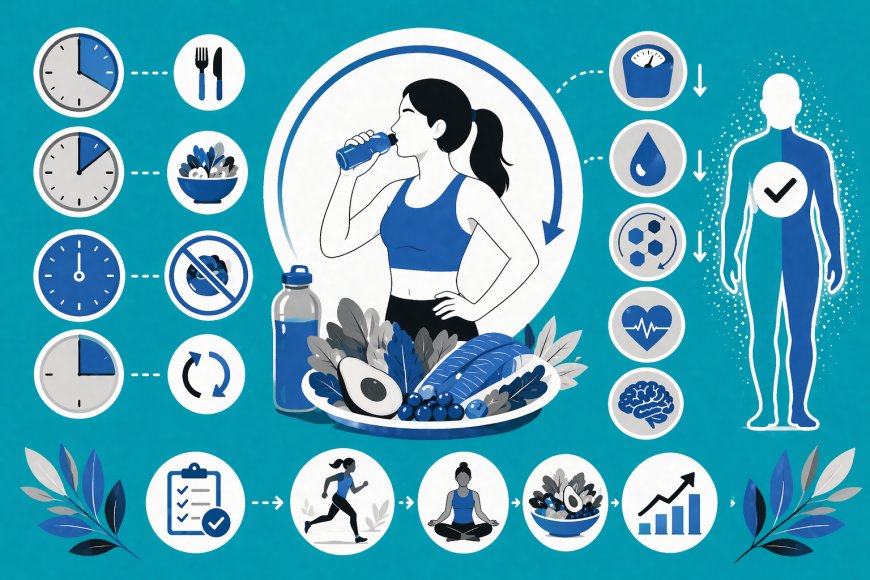
The findings reinforce that managing high cholesterol extends beyond pharmacological treatment. Sustainable control requires consistent lifestyle modification, including regular physical activity of at least 30 minutes per day and dietary patterns rich in fiber and plant based foods.
High cholesterol, therefore, should not be approached as an isolated laboratory value, but as part of a broader metabolic and behavioral profile that requires continuous and integrated management.
What's Your Reaction?