

















































































The Unseen Influence of Political Bias in Scientific Research Methodologies
Political bias in scientific research influences study design, funding allocation, and interpretation of results. Specific scenarios demonstrate how political interests shape methodologies, impacting the credibility and objectivity of scientific findings. This underscores the need for awareness and strategies to mitigate political interference in research processes.

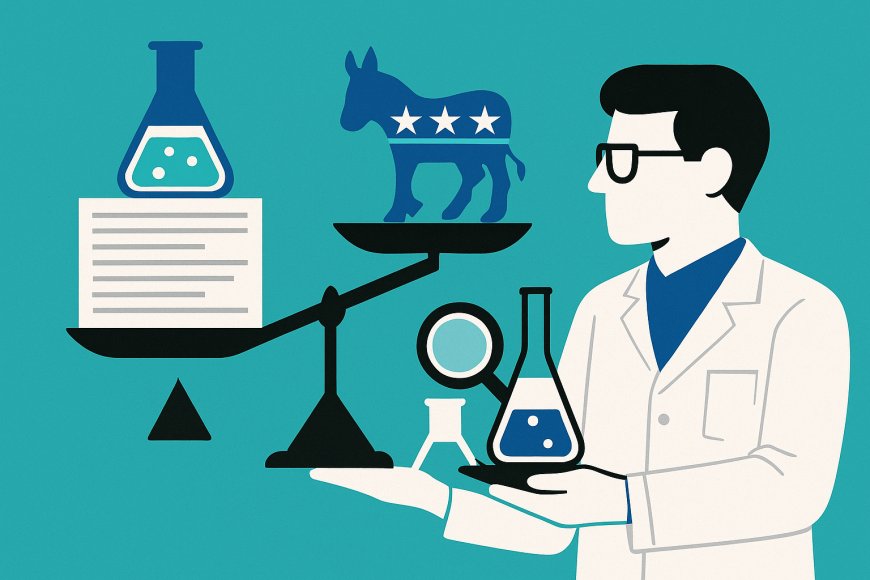
Scientific research, often perceived as an objective quest for knowledge, can be subtly shaped by the political forces that govern its practice. Consider a situation where a large governmental agency funds climate change studies. Decisions made about which projects receive funding and what data gets prioritized can be influenced by political agendas. Such dynamics introduce a form of bias that, while less overt than methodological flaws, can have profound implications for the integrity of scientific inquiry.


In a typical scenario, political bias manifests when research funding becomes contingent upon aligning with prevailing governmental or political interests. Suppose a country prioritizes technological advancements in renewable energy. Funding bodies may preferentially allocate resources to projects supporting this narrative, inadvertently sidelining studies that explore other critical aspects of energy consumption. Researchers, aware of these biases, might adjust their study designs to align with funding priorities, potentially skewing the research outcomes and interpretations.
The Role of Funding Bodies in Shaping Research Directions
The influence of funding bodies on research methodologies extends beyond mere financial support. These entities often set the research agenda, dictating the direction, scope, and even the methodologies employed in scientific inquiries. Imagine a government-backed organization focused on pharmaceutical research. It could prioritize areas that promise economic gain, such as patented drug development, over public health initiatives like vaccine accessibility in underfunded regions. Such prioritization can lead to an unbalanced research landscape where crucial topics remain underexplored.
Within academic circles, there is a growing awareness of how funding biases contribute to a narrowing of research questions. Researchers might be compelled to conform to the expectations of their funders, leading to a kind of intellectual homogenization. This behavior can stifle innovation, as unconventional or politically sensitive hypotheses might be discarded in favor of more 'fundable' topics. Consequently, the development of comprehensive scientific insights can be severely impeded.
Moreover, the implications of political bias are not confined to the allocation of resources. The peer review process, often considered a bulwark against bias, is also susceptible. Reviewers who share similar political leanings with funding agencies might unconsciously favor research that aligns with these perspectives. This can result in a kind of methodological echo chamber where certain scientific narratives are reinforced, while others are marginalized.
Methodological Adjustments and Their Consequences
Political bias can compel researchers to adjust their methodologies in subtle yet significant ways. Take, for instance, a behavioral experiment examining the impact of information dissemination on public policy attitudes. If the prevailing political climate supports a specific public policy, researchers might consciously or unconsciously emphasize data that corroborates the policy, potentially overlooking contradictory evidence. This selective reporting can lead to conclusions that falsely appear robust and universally applicable.
Methodological adjustments influenced by political bias extend to the publication process as well. Journals, aware of the political and funding climates, might favor research that aligns with these trends. The consequence is a skewed body of published literature that presents a distorted view of scientific consensus. For the scientific community and the public, this distortion poses challenges in discerning objective scientific truths from politically colored narratives.
This bias is not merely academic. It extends its reach into policy-making, where political entities rely on scientific evidence to craft legislation. If the underlying research is biased, the resulting policies may not only be ineffective but also potentially detrimental. The societal repercussions can be significant, ranging from inadequate public health responses to misguided environmental regulations.
Strategies for Mitigating Political Influence
To preserve the integrity of scientific research, efforts must focus on mitigating the influence of political bias. One approach involves diversifying funding sources, lessening the dependency on politically aligned entities. By fostering a competitive environment where diverse voices and interests vie for influence, research agendas can become more balanced and comprehensive.
Another strategy is enhancing transparency in funding processes. By making the sources and amounts of funding publicly accessible, the academic community and the public can better scrutinize potential biases. Researchers are also encouraged to critically self-reflect on their methodologies and seek peer collaboration to identify and rectify potential biases.
Education plays a crucial role in this endeavor. Training programs that emphasize the identification and management of bias in research methodologies can equip scientists with the tools needed to navigate politically charged environments. Ultimately, promoting a culture of awareness and vigilance within the scientific community can safeguard the objectivity and credibility of research endeavors.
Political bias in scientific research is an invisible yet potent force. As science increasingly informs public policy and societal norms, recognizing and addressing this bias is imperative. The future of knowledge creation rests on our ability to foster an environment where scientific inquiry remains both rigorous and unbiased. Only then can we fully trust science's contributions to our global discourse.
What's Your Reaction?