




















































































Interpreting Genomic Symphony: The Dynamics of RNA-Seq Analysis in Bioinformatics
RNA Sequencing (RNA-Seq) stands as a pivotal technique in modern genomics, elucidating gene expression in unprecedented detail. This article dissects RNA-Seq's scientific methodologies, illustrating its computational depth and transformative impact on biological research.

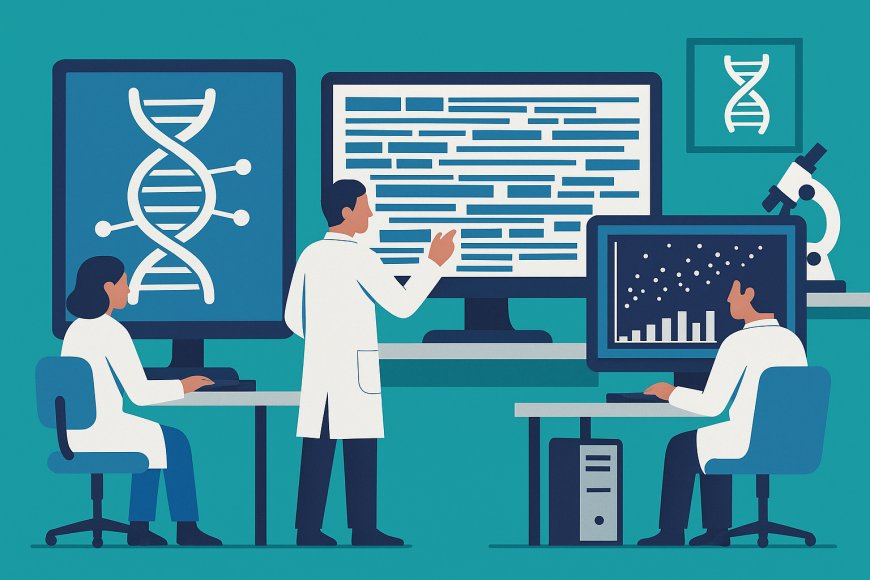
Imagine an intricate symphony where each instrument represents a different gene within a biological system. RNA-Seq, or RNA sequencing, serves as the maestro, orchestrating a comprehensive analysis of gene expression, offering a panoramic view of cellular functions. This technology, pivotal in genomics, unravels the nuanced dynamics of transcriptomics—the study of RNA molecules within cells. Unlike its predecessor, microarray technology, RNA-Seq provides unparalleled resolution and scalability, making it an indispensable tool in bioinformatics.


The promise of RNA-Seq lies in its capacity to capture the full scope of RNA transcripts, including those previously undetected due to technical limitations. This comprehensive capturing of the transcriptome is akin to listening to the full symphony rather than isolated instruments. The sequencing process, typically conducted through next-generation sequencing platforms, generates vast amounts of data, requiring sophisticated computational tools for effective analysis. The depth and breadth of RNA-Seq data enable researchers to explore cellular responses to various stimuli, understand disease mechanisms, and even chart evolutionary trajectories at the molecular level.
From Raw Data to Biological Insight: The Process of RNA-Seq Analysis
At the heart of RNA-Seq's analytical prowess is the transformation of raw sequencing data into interpretable biological insights. This process begins with the extraction of RNA from the sample, followed by its conversion into cDNA, a more stable form for sequencing. In a typical laboratory setup, millions of short reads are generated, each representing a fragment of a transcript. However, these raw reads are akin to scattered notes of a symphony without a conductor to bring them together.
Alignment is the first step in the computational pipeline, where these short reads are mapped onto a reference genome or transcriptome. This step is crucial, as it dictates the accuracy of subsequent analyses. Consider an experiment focused on cancer research, where precise alignment can distinguish between normal and aberrant gene expression patterns. Tools such as Bowtie or STAR aligners are often employed, each offering unique advantages in speed or sensitivity, depending on the specific requirements of the study.
Following alignment, the next phase involves quantification, where the expression levels of each gene or transcript are calculated. This step is vital in providing insights into the relative abundance of RNA species, akin to measuring the volume of instruments in an orchestra. Here, software like HTSeq or featureCounts quantifies the reads, enabling researchers to assess differential gene expression across conditions or treatments.
The final computational hurdle involves statistical analysis, where patterns in the data are identified and interpreted. In an example exploring neurological disorders, differential expression analysis could reveal key genes involved in disease pathology. Methods such as DESeq2 or edgeR are employed to perform rigorous statistical testing, ensuring that the observed differences are not due to random variation. This phase translates sequence data into actionable biological hypotheses, guiding further experimental validation and exploration.
Applications and Implications: Unveiling the Biological Narratives
The potential applications of RNA-Seq extend across a wide array of biological inquiries. In personalized medicine, for instance, RNA-Seq can delineate the specific gene expression profiles of individual patients, informing tailored therapeutic strategies. Imagine a scenario where the RNA-Seq analysis of a cancer patient's tumor reveals overexpression of specific oncogenes, guiding the selection of targeted treatments. Such precision medicine approaches exemplify the transformative impact of RNA-Seq.
In ecological studies, RNA-Seq enables the exploration of how organisms adapt to their environments at a molecular level. Consider a study on climate change resilience, where researchers utilize RNA-Seq to identify stress-responsive genes in plants facing drought conditions. The insights gained can inform breeding programs aimed at developing more resilient crop varieties, contributing to food security in an era of climate uncertainty.
Moreover, RNA-Seq is instrumental in advancing our understanding of developmental biology. By capturing gene expression dynamics at various stages, scientists can decode the complex regulatory networks that drive cellular differentiation and organismal development. This can be illustrated by experiments tracking the transcriptomic changes during embryogenesis, shedding light on the fundamental processes that shape life from its earliest stages.
Challenges and Future Directions: Navigating the Complexity of RNA-Seq
While RNA-Seq offers extraordinary insights, it also presents challenges that require ongoing methodological innovations. One of the primary obstacles is the management and interpretation of the vast data volumes generated. Cutting-edge computational techniques, such as machine learning, are being integrated to enhance data processing and pattern recognition, offering solutions to these challenges.
Looking ahead, the future of RNA-Seq is poised to embrace single-cell sequencing technologies, allowing for the dissection of cellular heterogeneity with unprecedented detail. This advancement will provide a more granular view of biological systems, akin to isolating and understanding each musician's contribution within an orchestra. Additionally, the integration of multi-omics approaches, combining RNA-Seq with proteomics and metabolomics, promises a more comprehensive understanding of biological systems, analogous to hearing the symphony in its full orchestral glory.
In the grand scheme of scientific exploration, RNA-Seq stands as a testament to the power of bioinformatics to transform raw data into meaningful biological narratives. As the technology and methodologies continue to evolve, the promise of RNA-Seq in unveiling the complexities of life remains boundless, opening new avenues for discovery and understanding.
What's Your Reaction?