















































































The Epigenetic Conundrum: Rethinking Heritability and Adaptation
Epigenetics complicates traditional genetic inheritance models by introducing non-DNA sequence factors. This article examines these epigenetic mechanisms, explores their adaptive roles across generations and questions established genetic paradigms.

Imagine a species of plant adapting to fluctuating environmental conditions not through genetic mutations but through heritable changes in gene expression. This scenario challenges the traditional view of evolution, which places DNA sequence changes as the sole mechanism of heritable variation. Epigenetics, the study of such changes, is rewriting our understanding of biological adaptation and inheritance.


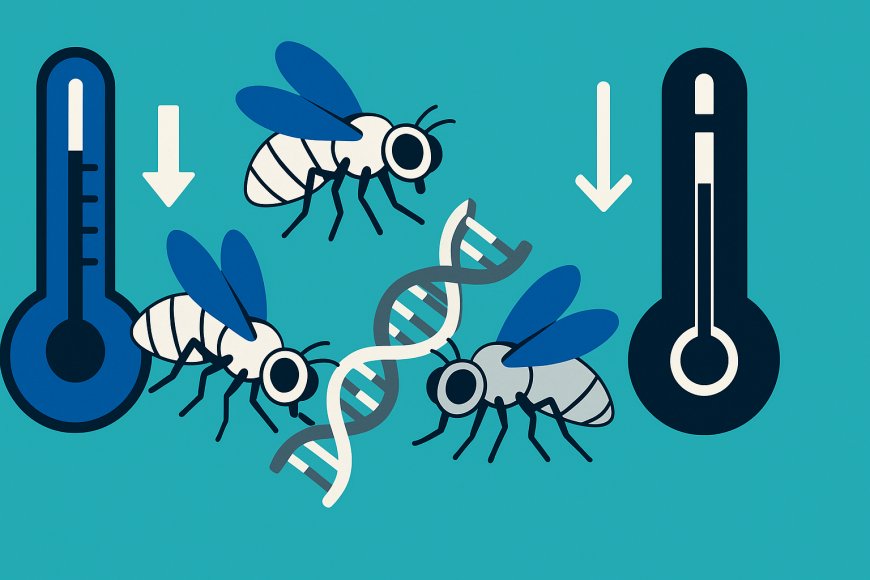
In a hypothetical experiment, consider a population of fruit flies exposed to varying temperatures. Researchers observe that successive generations exhibit increased thermal tolerance without any detectable changes in their DNA sequence. Instead, they find modifications in histone proteins and DNA methylation patterns. These changes, collectively known as epigenetic marks, influence gene expression without altering the underlying genetic code. Unlike mutations, these marks can be reversible, adding a layer of complexity to how organisms adapt to environmental pressures.
Epigenetic mechanisms provide organisms with a rapid response system. Unlike genetic mutations, which occur over many generations, epigenetic changes can manifest within a single generation. This immediacy is particularly advantageous in unstable environments, allowing for swift phenotypic changes without the slow process of mutation and natural selection. However, the temporary nature of many epigenetic marks raises questions about their role in long-term evolutionary processes.
Challenges to Traditional Genetic Paradigms
Gene-centric views of evolution have dominated biological sciences for over a century. The central dogma of molecular biology clearly delineates the pathway from DNA to RNA to protein. However, the advent of epigenetics is pushing scientists to reconsider the rigidity of this dogma. Epigenetic factors act as intermediaries, influencing gene expression and phenotype without altering the DNA sequence. This suggests that heritability is not solely a matter of genetic transmission.
Consider a behavioral experiment where mice are conditioned to associate a particular scent with a negative experience. Remarkably, their offspring, who have never encountered the scent, also display aversion. This phenomenon, known as transgenerational epigenetic inheritance, suggests that acquired traits can influence future generations. Such findings challenge the traditional Mendelian inheritance model, urging scientists to redefine the parameters of heritable variation.
Despite groundbreaking discoveries in epigenetics, the field faces significant hurdles. One major challenge is understanding the stability of epigenetic marks across generations. While evidence of transgenerational epigenetic inheritance exists, the mechanisms by which these marks persist or are erased remain elusive. Furthermore, distinguishing between true epigenetic inheritance and other forms of non-genetic inheritance complicates efforts to delineate their roles clearly in evolutionary theory.
The Adaptive Potential of Epigenetic Mechanisms
Epigenetic mechanisms offer a flexible response to environmental changes. In a typical observational study, researchers track wild populations of stickleback fish navigating diverse aquatic environments. Changes in salinity, water temperature, and predator presence lead to rapid epigenetic alterations, enabling fish to thrive in varying conditions. These changes are often reversible, allowing organisms to revert to previous states when environmental pressures subside. This adaptability challenges the notion that genetic mutation is the sole driver of evolutionary fitness.
While the adaptability of epigenetic mechanisms promises immediate survival advantages, it also poses questions about their evolutionary significance. Can epigenetic changes become permanent fixtures within a genome, or do they merely serve as short-term solutions? The field of epigenetics grapples with this dilemma, balancing the transient nature of many epigenetic marks with their potential to influence long-term evolutionary trajectories.
Epigenetics also intersects with the concept of developmental plasticity, where organisms adjust development in response to environmental cues. This plasticity, modulated by epigenetic mechanisms, allows for diverse phenotypic outcomes from a single genotype. It offers potential explanations for evolutionary phenomena that traditional genetics struggles to elucidate, such as rapid adaptation to new habitats or climates.
Epigenetics stands at the forefront of scientific discourse, challenging established assumptions about heredity and adaptation. As research progresses, it will redefine our understanding of evolution and genetic inheritance. The implications of these discoveries extend beyond biology, potentially transforming fields such as medicine, agriculture, and environmental science. As we continue to uncover the mysteries of epigenetic mechanisms, the question remains: How will this knowledge shape our future?
What's Your Reaction?