











































































Challenging the Linear Paradigm in Genetic Algorithms
This article interrogates the linear assumptions underlying genetic algorithms in bioinformatics, proposing nonlinear approaches that better mimic natural evolutionary processes. Through exploring theoretical and experimental models, the piece suggests that embracing nonlinearity could vastly improve algorithmic efficiency and accuracy in complex biological data analysis.


In the world of bioinformatics, genetic algorithms have long been hailed as revolutionary tools for solving complex optimization problems. These algorithms, inspired by Darwinian principles, rely on the iterative processes of selection, crossover, and mutation to evolve solutions over successive generations. At the heart of these algorithms lies a fundamental assumption: evolution is a linear, predictable process. However, as modern studies in evolutionary biology suggest, natural selection is anything but linear, and this divergence from reality raises questions about the efficacy of current models.


Consider a typical genetic algorithm tasked with optimizing a protein structure. The algorithm begins with a random population of potential solutions, iterating through generations to enhance fitness. This process assumes that incremental changes lead predictably to optimal solutions. Yet, in biological systems, evolution often involves abrupt shifts triggered by environmental pressures or mutations, challenging the linear approach. This discrepancy poses a significant limitation, particularly as algorithms tackle more intricate biological systems.
Nonlinear Dynamics in Biological Evolution
To understand the potential shortcomings of linear assumptions in genetic algorithms, it is essential to dive into the nonlinear dynamics of biological evolution. In natural settings, adaptive landscapes are not smooth and continuous but rugged and fractured. These landscapes can lead to what is known as epistasis—where the effect of one gene is dependent on the presence of one or more 'modifier genes.' This complex interplay contributes to the nonlinearity of evolutionary processes.
In a hypothetical study exploring fruit fly populations, researchers might observe sudden changes in wing patterns due to environmental stressors. These shifts are not gradual but rather punctuated, supporting the theory of punctuated equilibrium in evolutionary biology. If genetic algorithms were to incorporate such nonlinear dynamics, they might employ techniques like chaotic mappings or fractals to simulate these sudden shifts, potentially leading to more accurate models.
Additionally, the concept of co-evolution—how species mutually influence each other's evolution—further illustrates the inadequacy of linear models. In a predator-prey simulation, the evolutionary arms race results in constantly shifting dynamics that a linear model would struggle to replicate. By adopting a nonlinear framework, algorithms could better simulate these complex interactions, offering deeper insights into co-evolutionary processes.
Rethinking Algorithmic Design
Given the nonlinear nature of biological evolution, it becomes imperative to rethink the design of genetic algorithms. One emerging approach involves the use of differential evolution—a method that introduces variance by relying on the differences between randomly sampled pairs of solutions rather than a fixed mutation rate. This technique inherently embraces nonlinearity by allowing for more diverse evolutionary pathways, mimicking the chaotic yet adaptive nature of biological evolution.
Imagine an experiment where researchers develop a genetic algorithm to simulate bacterial resistance to antibiotics. Traditional linear models might predict gradual resistance development, while a differential evolution model could account for sudden, non-linear resistance surges. This could ultimately lead to more effective strategies for combating antibiotic resistance.
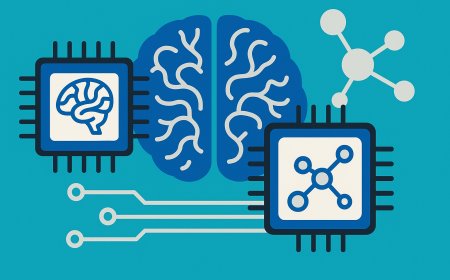
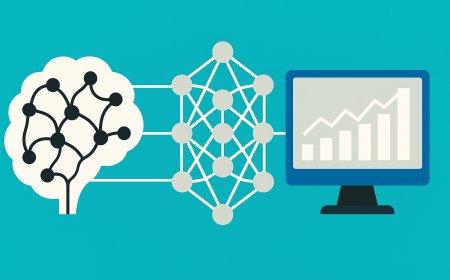
Moreover, integrating machine learning techniques, such as neural networks, with genetic algorithms could enhance their capacity to model nonlinear patterns. In a challenge to traditional bioinformatics models, a neural-genetic hybrid could dynamically adjust its parameters based on feedback, much like an evolving organism adapting to its environment. Such a system would not only improve the algorithm’s performance but also its applicability to real-world biological phenomena.
Advancing Bioinformatics with Nonlinear Models
The potential for nonlinear models in bioinformatics is vast, offering a profound shift in how genetic algorithms are conceptualized and applied. By embracing the unpredictability inherent in biological evolution, researchers could develop algorithms that are not only more accurate but also more resilient to the complexities of biological data. This shift would redefine how bioinformatics tackles challenges ranging from genomic sequencing to personalized medicine.
For instance, consider the analysis of cancer genomics, where traditional linear algorithms may overlook important gene interactions. A nonlinear approach could reveal hidden patterns and interactions, providing valuable insights into tumor evolution and potential therapeutic targets. Such advancements underscore the importance of questioning established assumptions and seeking innovative solutions.
The challenge of integrating nonlinear dynamics into genetic algorithms is formidable but essential. By moving beyond linear constraints, bioinformatics could unlock new dimensions in data analysis, offering a more nuanced understanding of biological systems and enhancing our ability to address pressing scientific questions.
The journey towards nonlinear genetic algorithms is not merely a technical evolution; it represents a philosophical shift. It calls for abandoning the comfort of linear predictability in favor of embracing the complexity and unpredictability of life. As bioinformatics continues to evolve, the integration of nonlinear models promises to redefine the discipline, opening new avenues for discovery and innovation.
What's Your Reaction?