









































































The Microbial Alchemy: Bioinformatics and the Unseen Dynamics of Microbial Gene Transfer
Microbial gene transfer, particularly horizontal gene transfer (HGT), plays a crucial role in microbial evolution. Bioinformatics is pivotal in deciphering these genetic transactions, revealing how microbes adapt and evolve. Computational models illuminate complex networks of gene exchange, offering insights into antibiotic resistance and ecological dynamics. Understanding these processes through bioinformatics not only enriches our knowledge of microbial life but also aids in addressing public health challenges such as antibiotic resistance. Future research will likely explore the integration of AI in bioinformatics, further advancing our grasp of microbial genetic exchange.

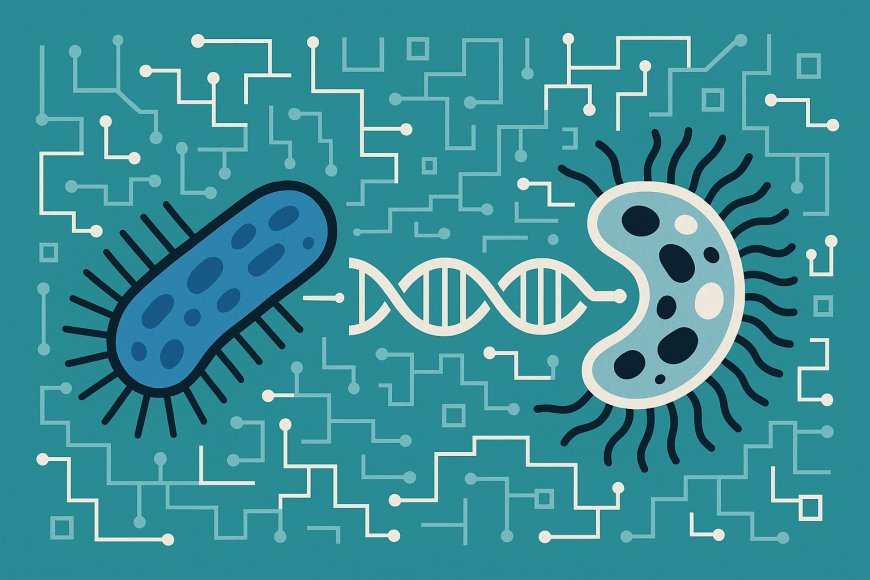
In a bacterial world, genes are not confined by the traditional barriers of vertical inheritance. Instead, they travel sideways, hopping across different organisms in a process known as horizontal gene transfer (HGT). This genetic alchemy transforms simple microbes into complex, adaptable entities capable of surviving in diverse and often hostile environments. A study observed a coastal microbiome where genes coding for salt tolerance appeared in unrelated species within weeks of a salinity increase. HGT, thus, drives rapid microbial evolution, challenging our perceptions of genetic stability and lineage.


Bioinformatics plays a pivotal role in unraveling these genetic exchanges. Employing algorithms designed to detect genetic anomalies, researchers map vast networks of gene transfer. Consider a computational approach where sequences from microbial genomes are aligned and scanned for unusual similarities that indicate gene transfer. Through such bioinformatics tools, researchers can construct gene transfer networks, illuminating how genes traverse microbial communities. These networks reveal not just the paths of genetic exchange but also the ecological and evolutionary pressures that shape microbial life.
Mapping the Invisible: Bioinformatics in HGT Detection
In the murky waters of microbial ecology, distinguishing between native and foreign genes is a formidable task. Bioinformatics provides an arsenal of tools to tackle this challenge. For instance, a typical bioinformatics pipeline might begin with sequencing microbial DNA from a soil sample. Sophisticated algorithms then parse through these sequences, searching for signatures of foreign DNA, such as atypical G+C content or codon usage patterns that deviate from the host genome’s norms.
Through comparative analyses, researchers identify genes that have leaped across species boundaries. In an experimental setup involving antibiotic-resistant bacteria, bioinformaticians tracked the spread of resistance genes across various species in a hospital setting. They uncovered a web of gene transfers, mapping out how resistance spreads through microbial populations. This capability to trace genetic movement is crucial in understanding the evolutionary dynamics of antibiotic resistance, a growing concern in public health.
Moreover, bioinformatics doesn’t just stop at detection; it extends to understanding the functional implications of gene transfers. By integrating functional genomics, researchers can predict how newly acquired genes affect microbial metabolism and behavior. In agricultural settings, for example, genes facilitating nitrogen fixation spread among different plant-associated bacteria, enhancing soil fertility. This genomic information aids in the development of biofertilizers, illustrating the practical applications of bioinformatics.
The Implications of Horizontal Gene Transfer on Antibiotic Resistance
Antibiotic resistance poses a significant threat to human health, exacerbated by HGT. This genetic phenomenon allows resistance genes to proliferate rapidly among microbial populations. In a study focusing on wastewater treatment plants, bioinformatic analyses revealed that these environments serve as hotspots for HGT, harboring diverse microbial communities that facilitate gene exchange.
Bioinformatics tools were crucial in this investigation, allowing researchers to identify specific resistance genes and their vectors within microbial genomes. By analyzing metagenomic data from these environments, researchers could pinpoint resistance genes and track their passage through microbial networks. This tracking enables the prediction of potential outbreaks and informs strategies for containment and prevention.
Furthermore, understanding the dynamics of gene transfer through bioinformatics can aid in the development of novel antimicrobial strategies. By identifying key genetic hubs and pathways in microbial communities, scientists can target these nodes to disrupt gene transfer processes, slowing the spread of resistance. This approach highlights the integral role of bioinformatics in shaping future antibiotic development and public health strategies.
The Future: Integrating AI with Bioinformatics
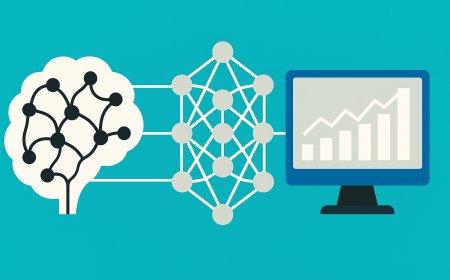
The future of microbial genomics lies at the intersection of bioinformatics and artificial intelligence (AI). AI technologies promise to enhance our understanding of HGT by providing the computational power necessary to analyze increasingly complex datasets. Machine learning algorithms can be employed to predict gene transfer events, offering real-time insights into microbial evolution.
In anticipated research frameworks, AI systems could autonomously analyze metagenomic data, identifying patterns indicative of HGT without human intervention. This autonomy would accelerate discoveries, enabling rapid responses to emerging threats such as antibiotic-resistant pathogens. AI’s ability to process vast amounts of data far surpasses current human capabilities, suggesting a future where bioinformatics becomes an even more powerful tool in understanding and controlling microbial gene dynamics.
The implications of combining AI with bioinformatics extend beyond science, touching on ethical considerations surrounding genetic manipulation and biodiversity. As we harness these technologies, we must also address the potential consequences of altering microbial communities, ensuring that scientific advancement does not come at the expense of ecological balance.
In conclusion, the microbial world, once thought to be static, reveals itself as a dynamic tapestry of genetic exchange. With bioinformatics at the helm, we are only beginning to comprehend the full scope of microbial gene transfer. The integration of AI promises to further illuminate these processes, offering unprecedented insights into microbial life and its impact on our world.
What's Your Reaction?