





















































































Analyzing the Influence of Algorithmic Bias in Digital Media
In the digital age, algorithmic bias in media platforms can significantly shape user experiences and perceptions. This article explores the methodological challenges in assessing causality and validity within algorithm-driven content delivery. Through hypothetical case studies, it uncovers how these biases manifest, their impacts on digital interactions, and the critical need for methodological rigor. The piece emphasizes the importance of transparent algorithm design and robust evaluation frameworks to mitigate bias and ensure fair, valid content dissemination.

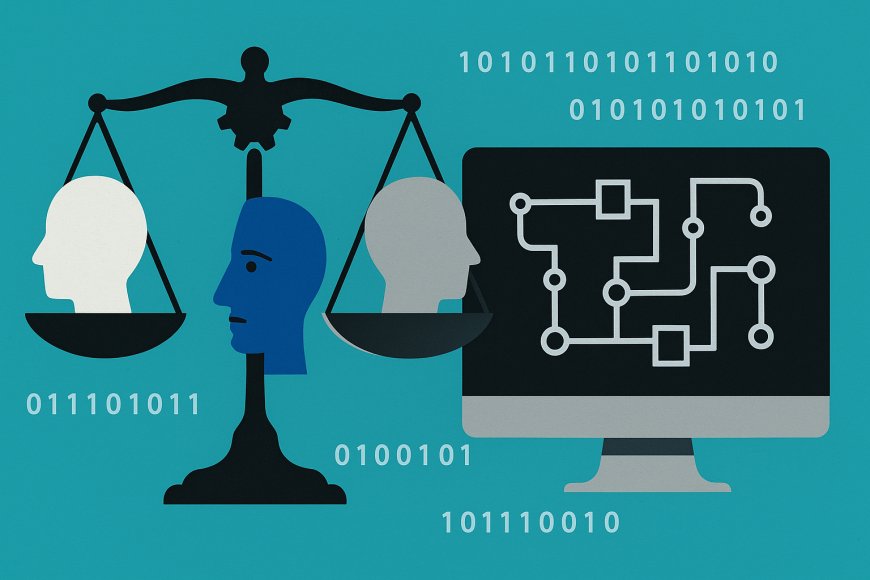
Imagine a social media platform where a user’s content feed is algorithmically curated. The platform promises a personalized experience, yet users often find themselves trapped in echo chambers, exposed only to ideologically similar content. This scenario raises a crucial question: how do algorithms determine what content receives visibility and what remains hidden? In the digital age, the role of algorithmic bias in shaping these experiences cannot be overstated, necessitating a deeper exploration of its causality and validity.


Algorithmic bias in digital media often emerges from data-driven models designed to predict user preferences. These models, however, are susceptible to inherent biases present in the training data. For instance, consider a platform utilizing user engagement metrics like clicks and shares to algorithmically rank content. If the training data predominantly reflects the behavior of a specific demographic, the algorithm could inadvertently prioritize content that resonates with this group, marginalizing other perspectives. This bias not only skews content visibility but also reinforces existing societal stereotypes, challenging the validity of the algorithm’s purported objectivity.
Unveiling Algorithmic Bias: Methodological Challenges
Understanding algorithmic bias in media systems involves dissecting causal relationships within complex datasets. Traditional methods of causal inference often fall short, as they struggle to account for the dynamic and interactive nature of digital ecosystems. In a typical observational study, researchers might attempt to identify causal links by isolating variables and controlling conditions. However, the fluidity of digital interactions complicates this approach. User actions like clicks and likes continuously alter the dataset, creating feedback loops that challenge static causal models.
Methodological challenges also arise in assessing validity. Algorithms must accurately reflect diverse user experiences, yet biases in training data and model design can undermine this goal. Consider a scenario where a news aggregator prioritizes headlines based on perceived relevance. If the algorithm’s training set is biased towards sensationalism, it may favor clickbait over substantive journalism, impacting the perceived quality and validity of the information consumed by users. This highlights the necessity for rigorous methodological frameworks that can adapt to the evolving nature of digital content and user interaction.
Moreover, establishing causality requires disentangling the intricate web of algorithmic decisions from user behavior. In experimental settings, isolated variables allow researchers to observe direct cause-and-effect relationships. Yet, in the digital realm, user behavior and algorithmic adjustments occur simultaneously, each influencing the other. This interdependence necessitates the development of sophisticated methodologies capable of capturing these dynamic interactions, ensuring that causality assessments remain robust and reflective of real-world complexities.
Impacts and Implications of Algorithmic Bias
The influence of algorithmic bias extends beyond content curation, affecting user perceptions and societal narratives. In a behavioral experiment simulating content exposure, participants exposed to biased media feeds exhibited altered perceptions of reality, confirming the substantial impact of algorithmic bias on public opinion. Such experiments underscore the importance of mitigating bias to preserve the integrity of digital media as a source of information.
The societal implications extend into political domains, where biased algorithms can sway electoral outcomes. Consider an experimental setup where algorithms amplify politically charged content, leading to heightened polarization among users. This algorithm-induced echo chamber effect not only narrows public discourse but also poses risks to democratic processes. Addressing these biases requires a multifaceted approach, involving algorithm transparency, diverse data representation, and continual methodological refinement.
Furthermore, algorithmic bias influences economic models within digital media. In advertising-driven revenue systems, biased algorithms can alter audience targeting, affecting market dynamics and advertising efficacy. If a model disproportionately favors certain consumer segments, advertisers may miss out on broader market opportunities, skewing economic forecasts. Understanding these biases and their financial implications is crucial for developing equitable digital markets.
Strategies for Mitigating Algorithmic Bias
Mitigating algorithmic bias in digital media demands a robust, multidisciplinary approach. One effective strategy involves incorporating fairness metrics into algorithmic design. In a hypothetical scenario, consider a platform that utilizes fairness-aware algorithms to ensure diverse content representation. These algorithms are designed to counteract biases by adjusting content visibility based on equity principles, promoting varied perspectives and reducing echo chambers.
Another critical strategy is implementing transparency in algorithmic processes. By openly sharing algorithmic logic and decision criteria, platforms can foster user trust and allow independent verification of algorithm fairness. Transparency facilitates external audits, enabling researchers to identify and address potential biases, ultimately ensuring the validity of content recommendations.
Additionally, interdisciplinary collaboration between data scientists, ethicists, and sociologists can enhance the methodological rigor of bias assessments. By leveraging diverse expertise, researchers can develop comprehensive frameworks that account for the multifaceted nature of digital interactions. This collaborative approach can drive innovation in bias detection and mitigation, leading to more equitable digital ecosystems.
The future of digital media lies in its ability to adapt and evolve, embracing methodological innovations that prioritize fairness and validity. As algorithms increasingly mediate our digital interactions, the responsibility to address bias becomes paramount. Methodological advancements, combined with ethical considerations, can pave the way for a more balanced media landscape.
As digital media continues to shape our perception of the world, it is imperative that we refine our approaches to understanding and mitigating algorithmic bias. The future beckons a digital environment where content is not only personalized but also fair, valid, and reflective of diverse perspectives, ensuring a more informed and connected society.
What's Your Reaction?