















































































Polycystic Ovary Syndrome (PCOS): A Comprehensive Guide
A detailed guide to Polycystic Ovary Syndrome (PCOS), covering its causes, symptoms, diagnosis, and treatment, with a focus on its connection to mental health and fertility.
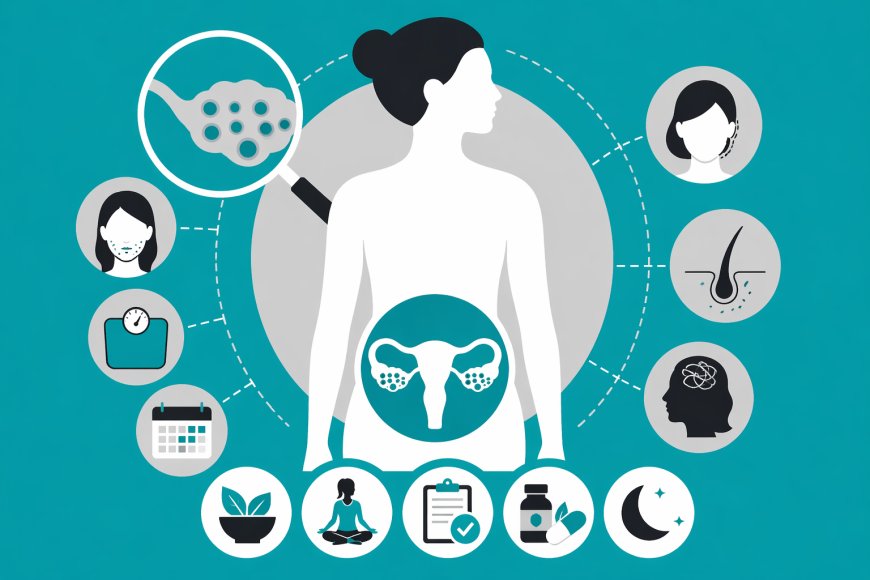
In the shadowy realm of female endocrinology, the affliction known as Polycystic Ovary Syndrome (PCOS) emerges not merely as one of the most common disorders, but also as one of the most complex and enigmatic. Its effects extend beyond the ovaries to metabolic function, psychological well being, fertility, and long term quality of life. Despite its prevalence, confusion between symptoms and accurate diagnosis often delays proper care. This work aims to provide a structured, evidence based understanding of the condition.


Defining Polycystic Ovary Syndrome
Polycystic Ovary Syndrome is one of the most common hormonal disorders among women of reproductive age, affecting approximately 6 to 12 percent globally. It is characterized by dysfunction in the ovaries, where eggs fail to mature properly and accumulate as small follicles. This is accompanied by hormonal imbalance, particularly elevated androgens.
Key Characteristics
- Irregular or absent menstrual cycles
- Excess hair growth in atypical areas
- Acne or increased skin oiliness
- Difficulty conceiving
These features vary in severity, making diagnosis dependent on integrated clinical and laboratory evaluation.
Importance of Early Recognition
Delayed diagnosis increases the risk of insulin resistance, type 2 diabetes, cardiovascular disease, weight gain, and psychological disturbances. Early detection is essential for prevention and management.
Causes and Underlying Mechanisms
PCOS develops through a complex interaction of genetic, hormonal, and environmental factors.
Genetic Predisposition
Family history increases susceptibility, suggesting inherited disturbances in hormonal regulation.
Insulin Resistance
A central driver of PCOS, where reduced cellular response to insulin leads to compensatory hyperinsulinemia. This stimulates ovarian androgen production, disrupting ovulation.
Hormonal Imbalance
Elevated LH relative to FSH disrupts follicle development and contributes to cyst formation.
Lifestyle Factors
Obesity, sedentary behavior, and diets high in refined carbohydrates worsen insulin resistance and hormonal imbalance.
Diagnostic Framework
Diagnosis requires a structured, multi dimensional approach.
Clinical Assessment
- Menstrual irregularity
- Signs of hyperandrogenism such as hirsutism and acne
- Central obesity
Laboratory Testing
- LH and FSH ratio
- Testosterone levels
- Prolactin and TSH
- Glucose and insulin levels
- OGTT when needed
Imaging
Ultrasound may reveal increased follicle number or ovarian volume, though it is not sufficient alone for diagnosis in adolescents.
Differential Diagnosis
Conditions such as hypothyroidism, hyperprolactinemia, congenital adrenal hyperplasia, and Cushing syndrome must be excluded.
Treatment Pathways
Management is individualized and depends on symptoms and reproductive goals.
Hormonal Therapy
Combined oral contraceptives regulate cycles and reduce androgen effects.
Ovulation Induction
Clomiphene and letrozole are first line treatments for women seeking pregnancy.
Insulin Sensitivity
Metformin improves metabolic balance and may restore ovulation.
Symptom Management
Anti androgen therapy and dermatological treatments address acne and excess hair.
Surgical Intervention
Laparoscopic ovarian drilling is reserved for resistant cases.
Nutrition and Physical Activity
Lifestyle intervention is a cornerstone of treatment.
Nutritional Strategy
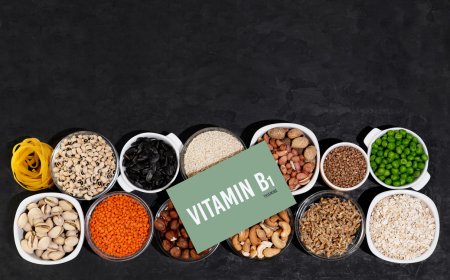
- Emphasis on low glycemic index foods
- Balanced carbohydrate intake
- High fiber consumption
- Adequate protein intake
- Healthy fats such as omega 3 and monounsaturated fats
Physical Activity
- Improves insulin sensitivity
- Reduces visceral fat
- Lowers androgen levels
- Enhances mental health
Complications
Untreated PCOS can lead to:
- Infertility
- Type 2 diabetes
- Cardiovascular disease
- Psychological disorders
- Endometrial hyperplasia and cancer
Complementary Support
Certain supplements may enhance treatment outcomes when used under supervision:
- Inositol
- Vitamin D
- Omega 3
- Magnesium
- Zinc
- NAC
PCOS in Adolescence
Diagnosis in adolescents is challenging due to overlap with normal puberty. Strict criteria include persistent ovulatory dysfunction and confirmed hyperandrogenism. Early intervention focuses on lifestyle regulation and monitoring.
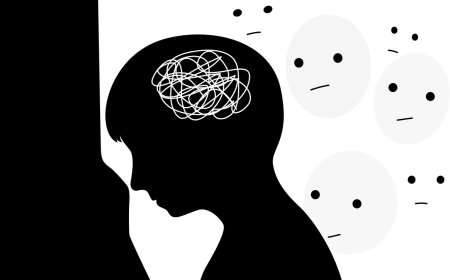
Mental Health Dimension
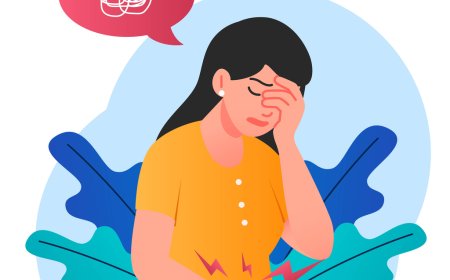
PCOS significantly affects psychological well being.
Biological Links
- Elevated testosterone affects emotional regulation
- Insulin resistance reduces serotonin production
- Chronic inflammation disrupts stress pathways
Psychological Manifestations
- Depression and anxiety
- Body image disturbances
- Eating disorders
- Sleep disruption
Therapeutic Approaches
- Cognitive behavioral therapy
- Pharmacological support when necessary
- Behavioral and social support programs
Frequently Asked Questions
PCOS does not necessarily mean permanent cysts but reflects a pattern of immature follicles. It is a manageable condition rather than a curable one. Pregnancy remains possible with appropriate treatment. Weight loss improves outcomes, and the condition can occur in both obese and lean individuals. Supplements may help but do not replace medical care.
Conclusion
PCOS is a systemic condition that extends beyond reproductive health into metabolic and psychological domains. Effective management requires a comprehensive approach that integrates medical treatment, lifestyle modification, and long term awareness. It is not a limitation but a condition that can be managed with knowledge and strategic care.
What's Your Reaction?