
















































































How CRISPR Actually Works: Gene Editing Explained With Precision
CRISPR is revolutionary gene-editing technology, but how does it actually work at the molecular level? This deep-dive explains the mechanism, the scissors, and why it's so transformative for medicine and biology.

The Basics: What Is CRISPR?
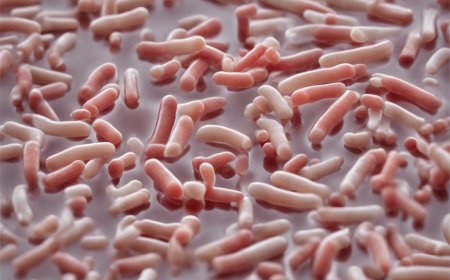
CRISPR stands for "Clustered Regularly Interspaced Short Palindromic Repeats"—a mouthful that describes a bacterial immune system. Bacteria have been fighting viral infections for billions of years, and they evolved CRISPR as a kind of immune memory. When a virus attacks, CRISPR remembers the invader's DNA and cuts it up if the virus attacks again. Scientists realized they could repurpose this system to edit any DNA, not just viral DNA. That's the revolutionary insight.


The Cast of Characters
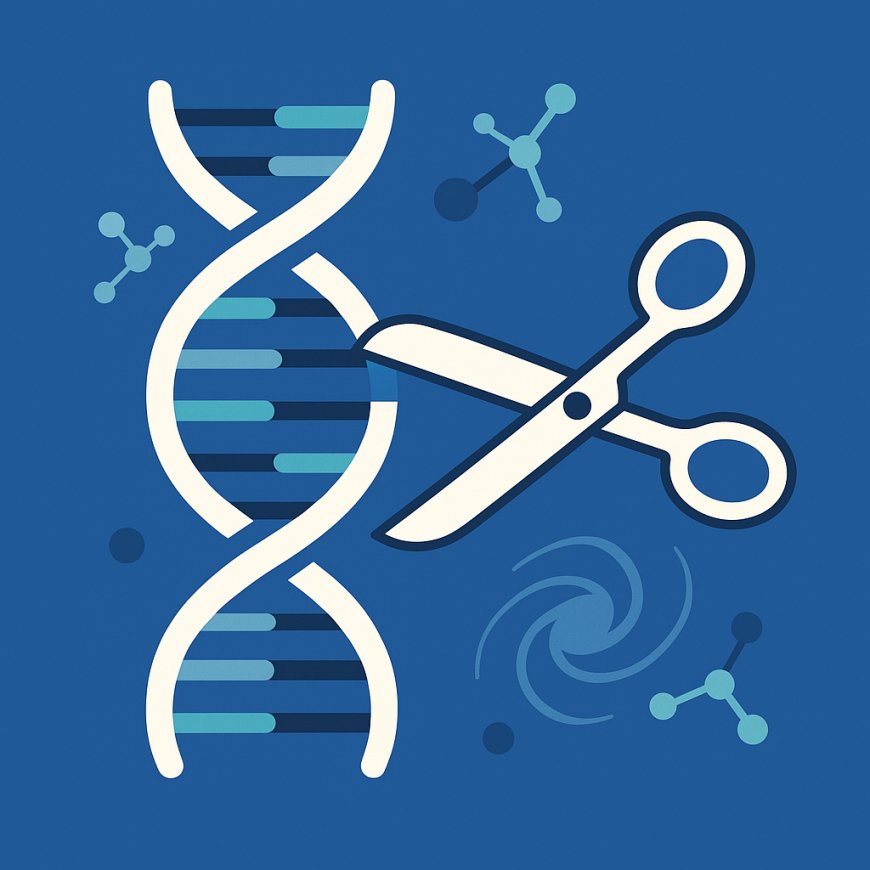
CRISPR requires several molecular components. First, the guide RNA—a molecular instruction that tells the system where to cut. It's like a search-and-find function programmed into DNA. Second, Cas9—a protein enzyme that acts as molecular scissors. When the guide RNA finds its target, Cas9 cuts both strands of the DNA double helix at that precise location. The system is actually remarkably simple, which is why it's so elegant and powerful.
How It Actually Cuts and Edits
When guide RNA finds its matching DNA sequence, Cas9 activates and makes a double-strand break at exactly the right spot. The cell's own repair machinery then kicks in. Here's where the power lies: the cell can repair the break by simply gluing the ends back together (effectively deleting the gene), or you can provide a template DNA sequence that the cell incorporates (effectively rewriting the code). This is precise, programmable molecular surgery.
Why It's Revolutionary
Previous gene-editing tools were like trying to edit a specific sentence in a library by hand. CRISPR is like using a word processor's find-and-replace function. It's dramatically faster, cheaper, and more precise. A gene-editing tool that costs thousands of dollars and takes weeks can now be done in a few days for hundreds of dollars. This cost and time reduction transforms what's possible in research and medicine.
Real-World Applications Taking Off
CRISPR is already used to treat sickle cell disease and other genetic conditions. Clinical trials are underway for genetic blindness, immune disorders, and cancer treatments. Outside medicine, CRISPR is being used to create disease-resistant crops, decontaminate polluted environments, and understand fundamental biology. The technology is young, but the applications are already tangible and transformative.
The Frontier Questions
While powerful, CRISPR isn't perfect. Off-target cuts can occur. Getting edited cells to the right tissues remains challenging. Germline editing—changing genes in reproductive cells—raises profound ethical questions. The field is rapidly evolving to address these challenges, and the next decade of development will be as important as the initial breakthrough.
What's Your Reaction?