

















































































The Science and Spirituality of Exercise Before and During Menstruation
An in-depth guide to exercising before and during a woman's menstrual cycle, covering the health benefits, scientific context, and religious permissibility of the practice.
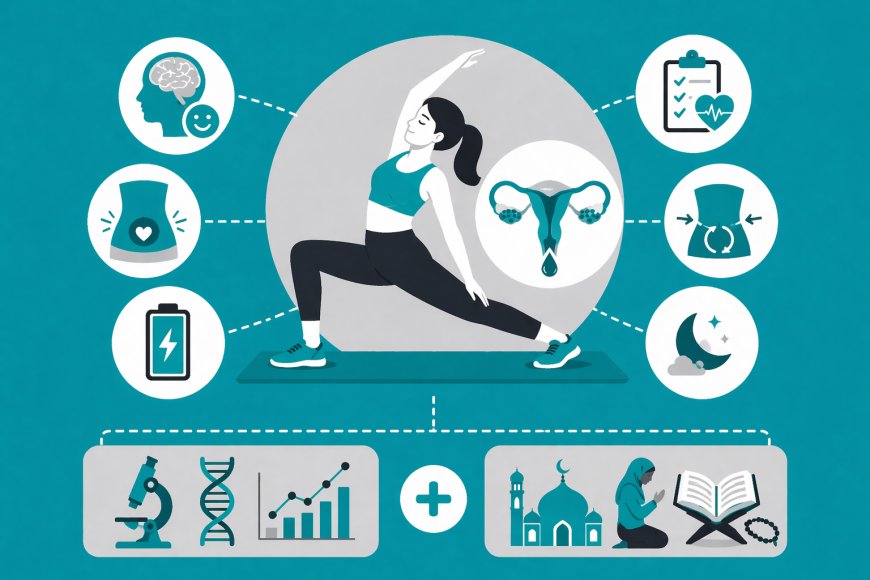
Questions about exercising before menstruation are increasingly common. Women are no longer asking only from a health perspective, but from a broader awareness of how physical activity aligns with the hormonal cycle. Before menstruation, changes in mood, energy, sleep, and appetite lead many to question whether exercise is beneficial or should be avoided. This discussion requires a balanced scientific understanding.


Exercising before menstruation: a scientific perspective
During the days before menstruation, known as the luteal phase, hormonal fluctuations become more pronounced. Progesterone rises while estrogen levels fluctuate, leading to symptoms such as bloating, mood changes, fatigue, and altered appetite.
Despite these changes, research indicates that exercise during this phase can play a supportive role in maintaining balance.
Hormonal changes and their effects
The luteal phase is associated with:
- Increased bloating due to fluid retention
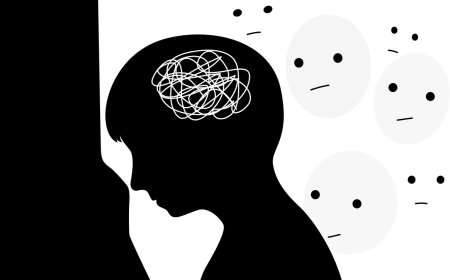
- Mood fluctuations and higher stress levels
- Sleep disturbances
- Increased cravings, particularly for carbohydrates
These effects vary in intensity between individuals, making personal awareness essential.
Benefits of exercise before menstruation
Light to moderate exercise contributes to both physical and psychological stability:
- Enhances endorphin production, improving mood and reducing discomfort
- Improves blood circulation, helping reduce bloating
- Supports better sleep regulation
- Helps control appetite by improving insulin sensitivity
- Maintains overall fitness and weight balance
Studies have shown that women who continue light exercise during this phase experience better mood and sleep compared to those who stop completely.
Recommended types of exercise
The focus during this phase should shift from intensity to support:
- Walking or light jogging
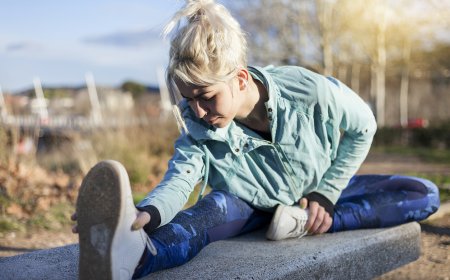
- Yoga and stretching
- Swimming
- Light resistance training
The objective is not performance, but maintaining physiological balance.
When to reduce or stop
Exercise should be adjusted or paused if:
- Severe fatigue or dizziness occurs
- There is unusual physical sensitivity
- Hydration or nutrition is insufficient
Listening to the body remains the primary guideline.
Exercising during menstruation
Contrary to common belief, menstruation does not require complete rest. Exercise can be beneficial if approached appropriately.
Benefits during menstruation
- Reduces cramps through improved blood flow
- Improves mood by increasing endorphins
- Helps reduce bloating and regulate appetite
Situations requiring caution
- Heavy bleeding
- Significant fatigue or weakness
- High intensity or strenuous exercise
In such cases, rest or gentle movement is recommended.
Suitable exercises during menstruation
- Walking
- Yoga
- Swimming
- Stretching exercises
These support circulation and relaxation without excessive strain.
Religious perspective
From a religious standpoint, exercise during menstruation is permissible. Menstruation restricts certain acts of worship, but it does not prevent daily activities. Exercise is considered a beneficial practice as long as it adheres to modesty and does not cause harm.
Conclusion
Exercise before and during menstruation can be a supportive tool for managing physical and psychological changes. The key is not avoidance, but adjustment. Choosing appropriate intensity and listening to the body allows women to navigate this phase with greater balance and control.
What's Your Reaction?